THE ADVENTURE COLLECTIVE® · Independent discovery and booking for outdoor travel

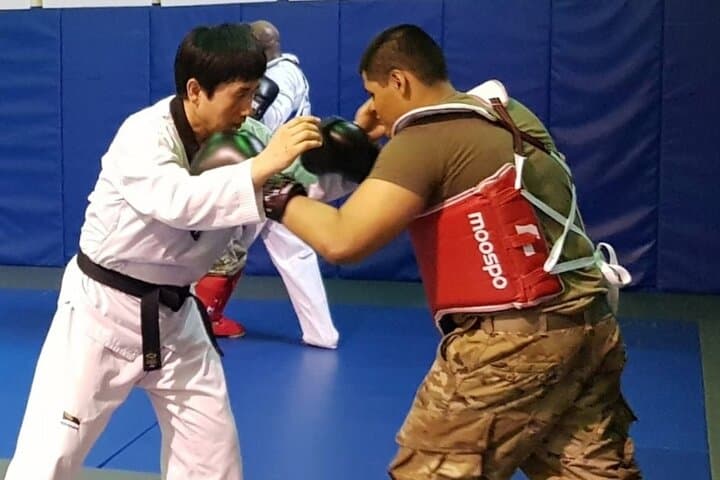
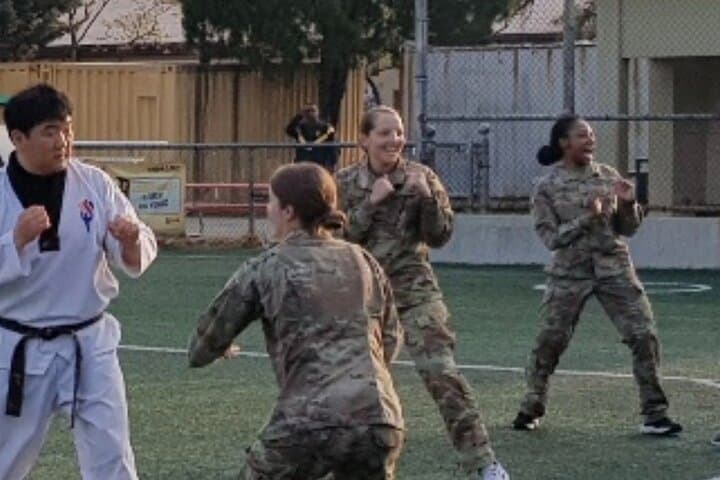
Join a 90‑minute Taekwondo session in Daegu taught by a certified 7th‑Dan master and former U.S. military instructor. Learn practical attack, defense, and breakfall techniques, then leave with a certificate and a photo.
Join a 90‑minute Taekwondo session in Daegu taught by a certified 7th‑Dan master and former U.S. military instructor. Learn practical attack, defense, and breakfall techniques, then leave with a certificate and a photo.
You step off a busy Daegu street and into a low-slung dojang where the floor gives slightly underfoot and the air carries the focused cadence of counted breaths and measured kicks. Mats cut the room in pale rectangles; the instructor’s voice — compact, exact — shapes the sequence. For 90 minutes you move through warm-ups, basics, practical self‑defense drills and a final test that hands you a certificate and a photo to prove you earned it.
Verified experiences and guided adventures in the surrounding area.
Operated by Master Do · Daegu, Daegu
You step off a busy Daegu street and into a low-slung dojang where the floor gives slightly underfoot and the air carries the focused cadence of counted breaths and measured kicks. Mats cut the room in pale rectangles; the instructor’s voice — compact, exact — shapes the sequence. For 90 minutes you move through warm-ups, basics, practical self‑defense drills and a final test that hands you a certificate and a photo to prove you earned it.
Taekwondo’s modern codification dates to mid‑20th century Korea, but its roots draw from older Korean striking arts and regional military training. In Daegu the practice blends formal poomsae with combative drills taught by a 7th‑Dan master who once instructed U.S. military units — expect a curriculum that balances discipline, falling technique, and pragmatic defenses useful in real situations.
The city around the dojang is honest and immediate: street food stalls, the old textile district, and Apsan Park’s ridgelines a short taxi ride away. Cultural notes matter — bow on entry, address instructors respectfully, and remove shoes before the mat.
Practical guidance: arrive 10–15 minutes early, wear breathable athletic wear, and be ready to kneel, kick, and breakfall. The class accommodates beginners and children (7+) but flags for those with spinal, heart, or pregnancy concerns. Hydrate beforehand and bring a towel; you’ll leave a little roughed up, a little prouder, and with a small, official certificate that marks the skill set you practiced.
easy.
1.5 hours.
Suitable for basic fitness levels; able to kneel, crouch, and perform moderate cardio bursts.
No — the class is designed for beginners and walks you through warm‑ups, basics and practical moves at a measured pace.
Children from age 7 are permitted, though classes include physical demands and falling practice.
Yes — the experience is offered in both English and Korean, led by a bilingual instructor.
Yes — participants receive a completion certificate and can take a photo at the end of the session.
Taekwondo formed after World War II by synthesizing older Korean striking arts and military training; modern schools emphasize both tradition and practical self‑defense.
Indoor classes have low environmental impact; support local culture by respecting facility rules, minimizing waste, and booking directly with local schools when possible.
Master Do operates guided outdoor trips and adventures with an emphasis on safety, stewardship, and memorable experiences.
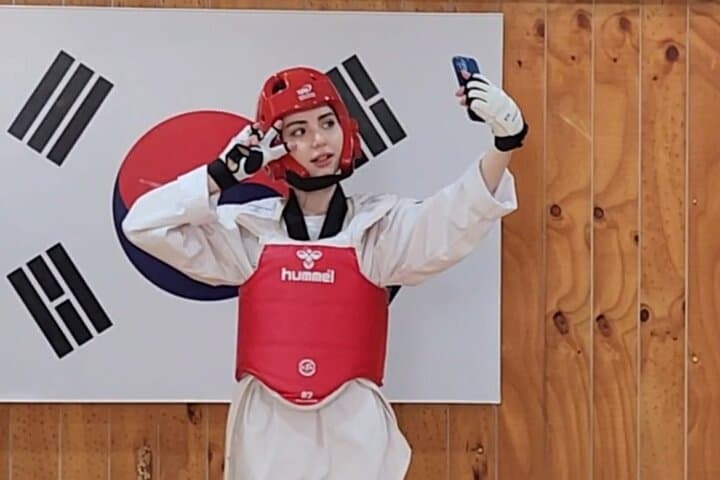
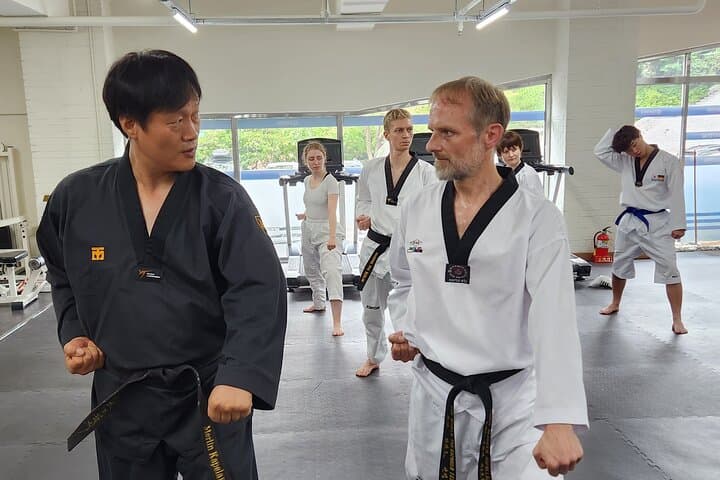
You step off a busy Daegu street and into a low-slung dojang where the floor gives slightly underfoot and the air carries the focused cadence of counted breaths and measured kicks. Mats cut the room in pale rectangles; the instructor’s voice — compact, exact — shapes the sequence. For 90 minutes you move through warm-ups, basics, practical self‑defense drills and a final test that hands you a certificate and a photo to prove you earned it.
You step off a busy Daegu street and into a low-slung dojang where the floor gives slightly underfoot and the air carries the focused cadence of counted breaths and measured kicks. Mats cut the room in pale rectangles; the instructor’s voice — compact, exact — shapes the sequence. For 90 minutes you move through warm-ups, basics, practical self‑defense drills and a final test that hands you a certificate and a photo to prove you earned it.
Taekwondo’s modern codification dates to mid‑20th century Korea, but its roots draw from older Korean striking arts and regional military training. In Daegu the practice blends formal poomsae with combative drills taught by a 7th‑Dan master who once instructed U.S. military units — expect a curriculum that balances discipline, falling technique, and pragmatic defenses useful in real situations.
The city around the dojang is honest and immediate: street food stalls, the old textile district, and Apsan Park’s ridgelines a short taxi ride away. Cultural notes matter — bow on entry, address instructors respectfully, and remove shoes before the mat.
Practical guidance: arrive 10–15 minutes early, wear breathable athletic wear, and be ready to kneel, kick, and breakfall. The class accommodates beginners and children (7+) but flags for those with spinal, heart, or pregnancy concerns. Hydrate beforehand and bring a towel; you’ll leave a little roughed up, a little prouder, and with a small, official certificate that marks the skill set you practiced.