THE ADVENTURE COLLECTIVE® · Independent discovery and booking for outdoor travel

Board a scenic train from Bogotá and descend 180 meters into the Salt Cathedral of Zipaquirá—an underground church carved from evaporite salt. This full-day outing combines rail nostalgia, mining history, and a walk through Zipaquirá’s colonial center.
Board a scenic train from Bogotá and descend 180 meters into the Salt Cathedral of Zipaquirá—an underground church carved from evaporite salt. This full-day outing combines rail nostalgia, mining history, and a walk through Zipaquirá’s colonial center.
You step onto a vintage carriage in Usaquén as Bogotá recedes, the train moving north under a blue Andean sky. Fields and small villages slide past like movie frames, and the air cools as the train climbs toward the salt-bearing hills. By the time you step off at Zipaquirá, the mountain itself seems to beckon you into its dark veins.
Verified experiences and guided adventures in the surrounding area.
Operated by javi · Zipaquirá, Cundinamarca
You step onto a vintage carriage in Usaquén as Bogotá recedes, the train moving north under a blue Andean sky. Fields and small villages slide past like movie frames, and the air cools as the train climbs toward the salt-bearing hills. By the time you step off at Zipaquirá, the mountain itself seems to beckon you into its dark veins.
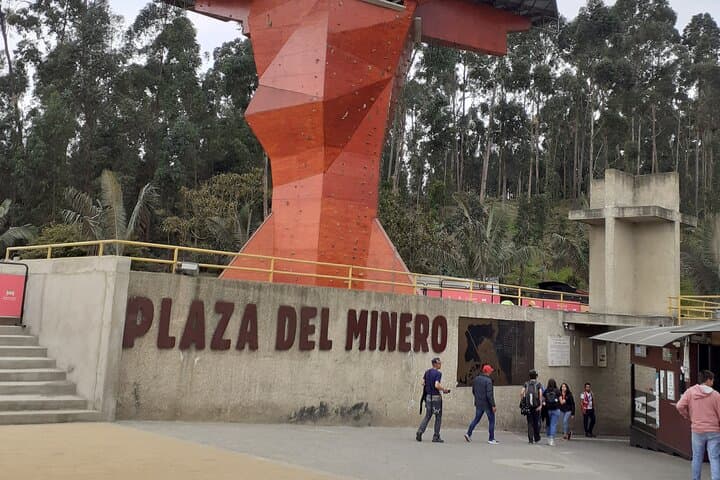
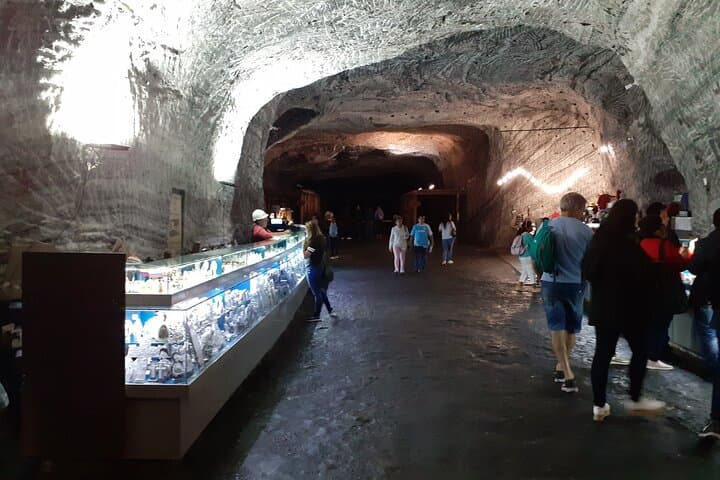
The Salt Cathedral sits inside a former halite mine carved over centuries by miners whose work shaped the town. Geologically, the cathedral is hewn in Miocene-age evaporite salt beds—layers of compressed sea salts that allowed sculptors to cut vast vaults deep underground. Culturally, Zipaquirá mixes colonial plazas and miner rituals; the Ceremonial Miner’s Square and the steel palms speak to mining identity and regional pride.
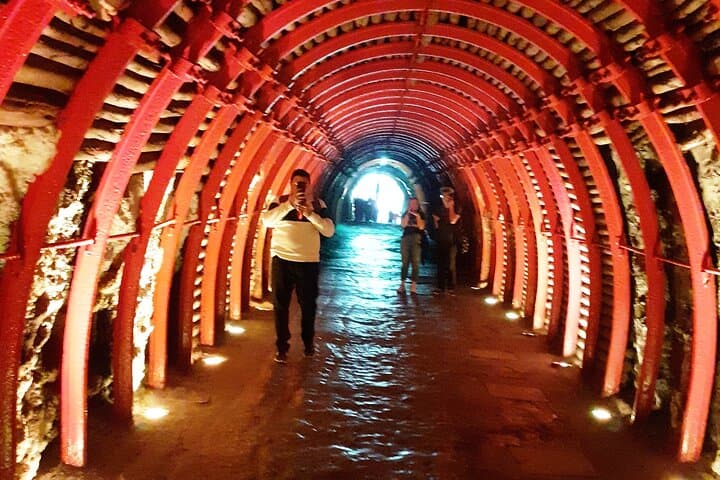
The visit moves from a brief ecological path into descending tunnels, with stops that interpret the Stations of the Cross using salt-carved chambers and subtle lighting. A 3D projection explains mining history before you emerge into Zipaquirá’s compact historic center for a relaxed lunch.
Practical guidance: plan for an all-day outing—most operators run this on weekends and holidays. Wear sturdy shoes and bring layers; temperatures underground are cool and humidity can cling to jackets. If you’re prone to claustrophobia, note the descent reaches roughly 180 meters below ground and some passages are confined. Bring cash for local shops and allow extra time for a post-tour stroll through the colonial streets before the return train to Bogotá.
easy.
8 hours.
Suitable for most fitness levels; includes train travel, short walks, and stair descents underground.
The round-trip train timetable varies by operator; expect several hours for the round-trip including stops and the visit—plan for a full-day excursion.
Yes; children can join but infants must sit on an adult’s lap and some enclosed spaces might be challenging for young visitors.
This experience typically includes train transport and entry fees; small purchases and optional translations may incur additional costs.
The tour includes stair descents and uneven tunnel sections; those with mobility limitations should check accessibility options with the operator before booking.
Zipaquirá’s salt mines date back to pre-Columbian times and were intensively mined in the colonial and republican eras; the cathedral repurposes mine chambers into a religious and cultural site.
Visitor numbers are managed to protect the fragile salt formations and underground environment; stick to marked paths and avoid touching sculpted walls to reduce erosion.
javi operates guided outdoor trips and adventures with an emphasis on safety, stewardship, and memorable experiences.
You step onto a vintage carriage in Usaquén as Bogotá recedes, the train moving north under a blue Andean sky. Fields and small villages slide past like movie frames, and the air cools as the train climbs toward the salt-bearing hills. By the time you step off at Zipaquirá, the mountain itself seems to beckon you into its dark veins.
You step onto a vintage carriage in Usaquén as Bogotá recedes, the train moving north under a blue Andean sky. Fields and small villages slide past like movie frames, and the air cools as the train climbs toward the salt-bearing hills. By the time you step off at Zipaquirá, the mountain itself seems to beckon you into its dark veins.
The Salt Cathedral sits inside a former halite mine carved over centuries by miners whose work shaped the town. Geologically, the cathedral is hewn in Miocene-age evaporite salt beds—layers of compressed sea salts that allowed sculptors to cut vast vaults deep underground. Culturally, Zipaquirá mixes colonial plazas and miner rituals; the Ceremonial Miner’s Square and the steel palms speak to mining identity and regional pride.
The visit moves from a brief ecological path into descending tunnels, with stops that interpret the Stations of the Cross using salt-carved chambers and subtle lighting. A 3D projection explains mining history before you emerge into Zipaquirá’s compact historic center for a relaxed lunch.
Practical guidance: plan for an all-day outing—most operators run this on weekends and holidays. Wear sturdy shoes and bring layers; temperatures underground are cool and humidity can cling to jackets. If you’re prone to claustrophobia, note the descent reaches roughly 180 meters below ground and some passages are confined. Bring cash for local shops and allow extra time for a post-tour stroll through the colonial streets before the return train to Bogotá.