THE ADVENTURE COLLECTIVE® · Independent discovery and booking for outdoor travel

Step into a real Edo-period dojo in Hino and learn Tennen Rishin-ryu — the style of the Shinsengumi. This two-hour, hands-on program blends authentic lineage, basic kata, and supervised handling of traditional swords.
Step into a real Edo-period dojo in Hino and learn Tennen Rishin-ryu — the style of the Shinsengumi. This two-hour, hands-on program blends authentic lineage, basic kata, and supervised handling of traditional swords.
A low timbered dojo door opens and the sound of wooden soles on polished planks marks the beginning of a lesson older than modern Tokyo. Light from a single paper window sketches the silhouette of an instructor as you bow and adopt a stance — the room feels exacting and lived-in, like a page of Edo-era discipline brought forward.
Verified experiences and guided adventures in the surrounding area.
Operated by Samurai Sword Academy in the Hometown of the Last Samurai · Hino, Tokyo
A low timbered dojo door opens and the sound of wooden soles on polished planks marks the beginning of a lesson older than modern Tokyo. Light from a single paper window sketches the silhouette of an instructor as you bow and adopt a stance — the room feels exacting and lived-in, like a page of Edo-era discipline brought forward.
Tennen Rishin-ryu grew in the late Edo period and the swordsmen who trained in Hino helped form the Shinsengumi, the force often called the Last Samurai. The style emphasizes practical footwork, paired cuts, and disciplined posture; the lineage survives here in guided drills and kata led by Masao Inoue, a descendant of a Shinsengumi executive. Hino itself sits on the northern edge of Tokyo’s basin near the Tama River and the flanks of approaches leading to Mt. Takao, giving the place a practical, working-town character rather than theatrical polish.
The session mixes historic context with hands-on training: you try basic forms, handle a bokken and — under strict supervision — a real Japanese sword laid out as part of the tradition. Expect focused repetition, safety briefings, and corrections that emphasize alignment and breathing.
Practical notes: sessions run about two hours, dogi and wooden swords are provided; bring comfortable, non-restrictive layers and hydrate beforehand. Public transport accesses Hino City; plan for modest walking and standing. If you have back, heart, or pregnancy concerns this class is not recommended, and modest fitness will make the experience safer and more rewarding.
moderate.
2 hours.
Moderate fitness required: ability to stand, move through guided footwork and basic core-engaging drills.
Yes — under strict supervision you will handle a sword as part of the tradition, but most training uses a wooden sword (bokken) and safety protocols are enforced.
No prior swordsmanship experience is necessary; instructors teach basic kata and footwork suitable for beginners while emphasizing safety.
The program requests moderate fitness; it is not recommended for pregnant travelers or those with serious spinal or cardiovascular conditions.
The dojo is in Hino City and is best reached by train from central Tokyo; allow extra time for a short walk from the nearest station.
Hino was a training ground for Tennen Rishin-ryu during the late Edo period; many students became members of the Shinsengumi during the Bakumatsu era.
The dojo operates within a dense urban area—respect local waste rules, avoid leaving gear or trash, and support small local businesses to sustain community heritage.
Samurai Sword Academy in the Hometown of the Last Samurai operates guided outdoor trips and adventures with an emphasis on safety, stewardship, and memorable experiences.
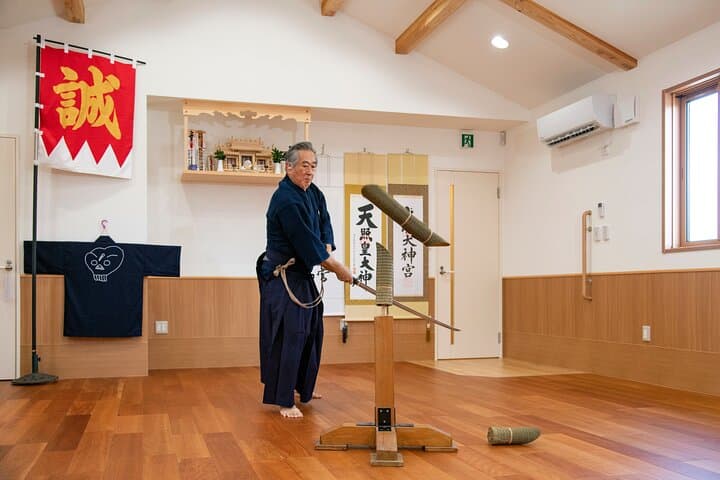
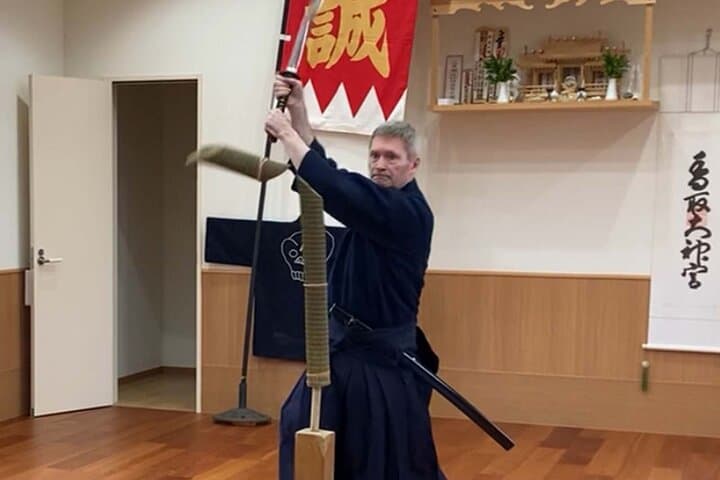
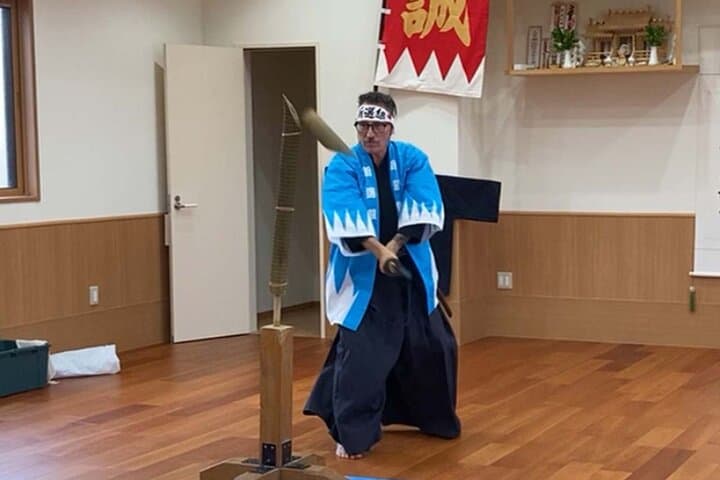
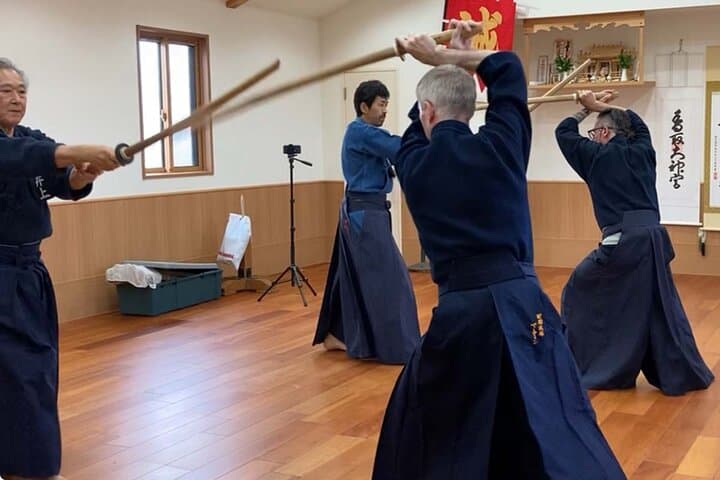
A low timbered dojo door opens and the sound of wooden soles on polished planks marks the beginning of a lesson older than modern Tokyo. Light from a single paper window sketches the silhouette of an instructor as you bow and adopt a stance — the room feels exacting and lived-in, like a page of Edo-era discipline brought forward.
A low timbered dojo door opens and the sound of wooden soles on polished planks marks the beginning of a lesson older than modern Tokyo. Light from a single paper window sketches the silhouette of an instructor as you bow and adopt a stance — the room feels exacting and lived-in, like a page of Edo-era discipline brought forward.
Tennen Rishin-ryu grew in the late Edo period and the swordsmen who trained in Hino helped form the Shinsengumi, the force often called the Last Samurai. The style emphasizes practical footwork, paired cuts, and disciplined posture; the lineage survives here in guided drills and kata led by Masao Inoue, a descendant of a Shinsengumi executive. Hino itself sits on the northern edge of Tokyo’s basin near the Tama River and the flanks of approaches leading to Mt. Takao, giving the place a practical, working-town character rather than theatrical polish.
The session mixes historic context with hands-on training: you try basic forms, handle a bokken and — under strict supervision — a real Japanese sword laid out as part of the tradition. Expect focused repetition, safety briefings, and corrections that emphasize alignment and breathing.
Practical notes: sessions run about two hours, dogi and wooden swords are provided; bring comfortable, non-restrictive layers and hydrate beforehand. Public transport accesses Hino City; plan for modest walking and standing. If you have back, heart, or pregnancy concerns this class is not recommended, and modest fitness will make the experience safer and more rewarding.