THE ADVENTURE COLLECTIVE® · Independent discovery and booking for outdoor travel

Step into armor, learn Bushido rituals, and try a supervised sword cut with Osaka Castle as your backdrop. This three-hour hands-on program blends calligraphy, tea ceremony and swordsmanship to teach both technique and etiquette.
Step into armor, learn Bushido rituals, and try a supervised sword cut with Osaka Castle as your backdrop. This three-hour hands-on program blends calligraphy, tea ceremony and swordsmanship to teach both technique and etiquette.
You step from JR Osaka-jo Koen Station into a courtyard where the stone and timber of Osaka Castle keep watch, and the city’s noise thins to the rustle of park trees.
Verified experiences and guided adventures in the surrounding area.
Operated by SAMURAI HONOR · Osaka, Osaka
You step from JR Osaka-jo Koen Station into a courtyard where the stone and timber of Osaka Castle keep watch, and the city’s noise thins to the rustle of park trees.
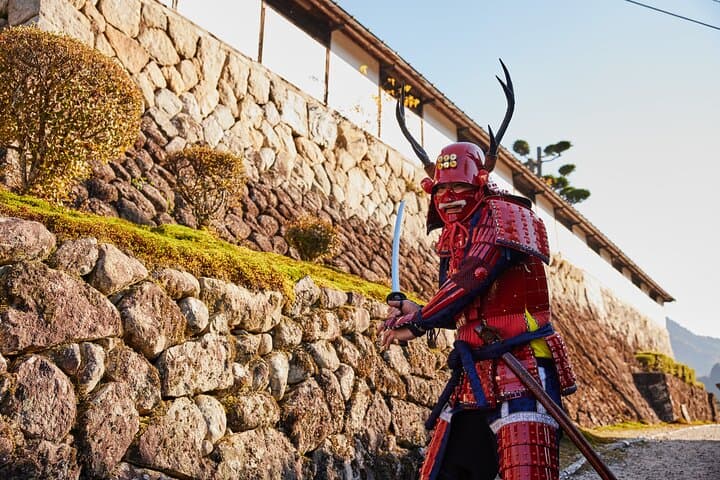
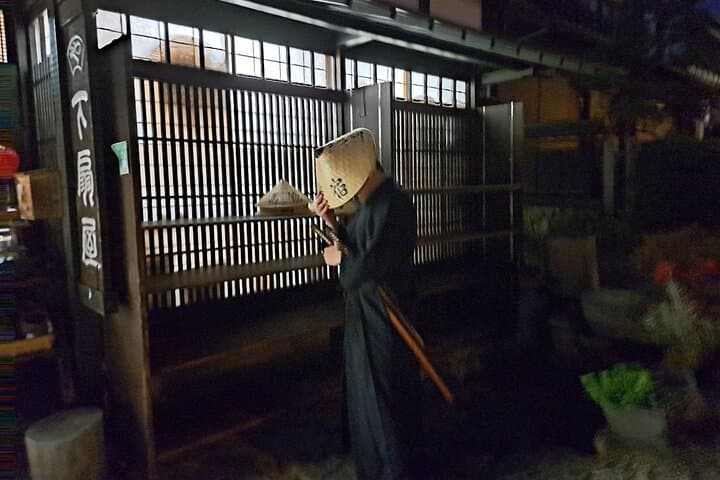
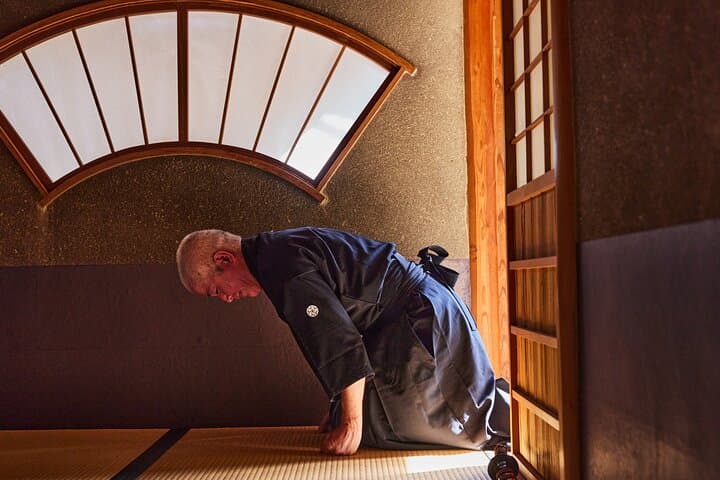
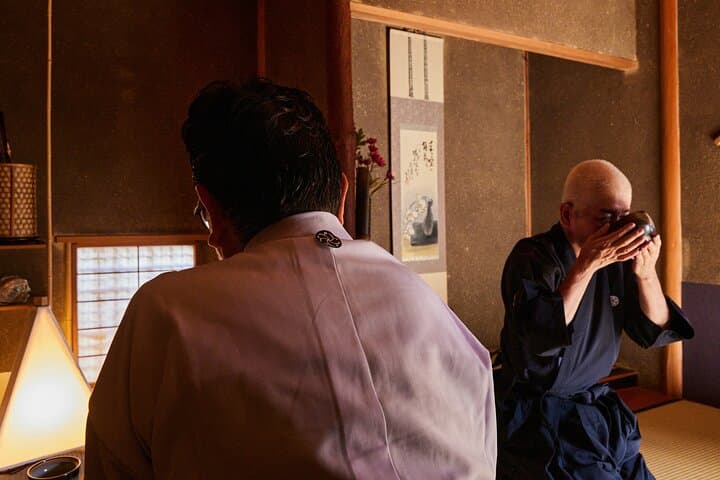
Inside Samurai Honor the pace tightens: instructors fit armor and hakama, the floor smells faintly of polish and straw, and the room narrows into focus for three hours of hands-on Bushido practice. Guests move through calligraphy, a traditional tea ceremony, armor dressing and a supervised sword-cutting trial—each exercise designed to teach posture, etiquette and the precision that defined samurai life.
Historically this ground saw the 1615 Summer Battle of Osaka; Toyotomi and Tokugawa forces shaped national politics, and the castle remains a concrete link to that era. The experience emphasizes technique over theatrics: instructors (with a decade of swordsmanship experience) demonstrate safe handling and supervise every strike. Armors are authentic replicas sized for most adults (generally suitable up to about 185 cm/100 kg), and a photo on the castle grounds is included.
Practical guidance: allow 3 hours, bring a change of lightweight clothes to wear underneath armor, and arrive on time—late arrivals may be refused. The program is not recommended for people with serious back, heart or pregnancy concerns and requires a liability waiver. Smartphone photos are permitted but no tripods or video recording; follow staff directions during all sword drills.
This is a compact cultural-physical hybrid: part museum demonstration, part movement workshop, and wholly rooted in the discipline of Bushido.
moderate.
3 hours.
Suitable for travelers in average physical condition who can stand, squat and make controlled arm movements; some core strength helps for sword drills and armor mobility.
The program runs about 3 hours and includes calligraphy, a tea ceremony, armor dressing, sword cutting and a photo session.
Staff select armor by height and weight on the day; sizes generally fit up to approximately 185 cm and 100 kg but availability depends on inventory.
Cutting is supervised by an experienced instructor using proper safety protocols; guests do not handle live blades without direct guidance.
Smartphone photography is permitted but no tripods or video recording to avoid disturbing other guests; staff control photo locations and timing.
Osaka Castle was a political and military center during the early 17th century; the 1615 Summer Battle marked the fall of the Toyotomi and the consolidation of Tokugawa rule.
The site balances heavy tourism with preservation—follow staff guidance, avoid touching artifacts and minimize waste to support ongoing conservation.
SAMURAI HONOR operates guided outdoor trips and adventures with an emphasis on safety, stewardship, and memorable experiences.
You step from JR Osaka-jo Koen Station into a courtyard where the stone and timber of Osaka Castle keep watch, and the city’s noise thins to the rustle of park trees.
You step from JR Osaka-jo Koen Station into a courtyard where the stone and timber of Osaka Castle keep watch, and the city’s noise thins to the rustle of park trees.
Inside Samurai Honor the pace tightens: instructors fit armor and hakama, the floor smells faintly of polish and straw, and the room narrows into focus for three hours of hands-on Bushido practice. Guests move through calligraphy, a traditional tea ceremony, armor dressing and a supervised sword-cutting trial—each exercise designed to teach posture, etiquette and the precision that defined samurai life.
Historically this ground saw the 1615 Summer Battle of Osaka; Toyotomi and Tokugawa forces shaped national politics, and the castle remains a concrete link to that era. The experience emphasizes technique over theatrics: instructors (with a decade of swordsmanship experience) demonstrate safe handling and supervise every strike. Armors are authentic replicas sized for most adults (generally suitable up to about 185 cm/100 kg), and a photo on the castle grounds is included.
Practical guidance: allow 3 hours, bring a change of lightweight clothes to wear underneath armor, and arrive on time—late arrivals may be refused. The program is not recommended for people with serious back, heart or pregnancy concerns and requires a liability waiver. Smartphone photos are permitted but no tripods or video recording; follow staff directions during all sword drills.
This is a compact cultural-physical hybrid: part museum demonstration, part movement workshop, and wholly rooted in the discipline of Bushido.