THE ADVENTURE COLLECTIVE® · Independent discovery and booking for outdoor travel

Step into a harness and learn cinematic wire action in Akihabara. In one hour you’ll perform three moves, be filmed by pros, and take home an edited short—no stunt background required.
Step into a harness and learn cinematic wire action in Akihabara. In one hour you’ll perform three moves, be filmed by pros, and take home an edited short—no stunt background required.
The studio lights come up and the rig hums — steel cables taut like quiet promises — as you step into a black-and-red ninja costume and a harness that will lift you off the floor.
Verified experiences and guided adventures in the surrounding area.
Operated by Ninja Wire Action Experience · Tokyo, Tokyo
The studio lights come up and the rig hums — steel cables taut like quiet promises — as you step into a black-and-red ninja costume and a harness that will lift you off the floor.
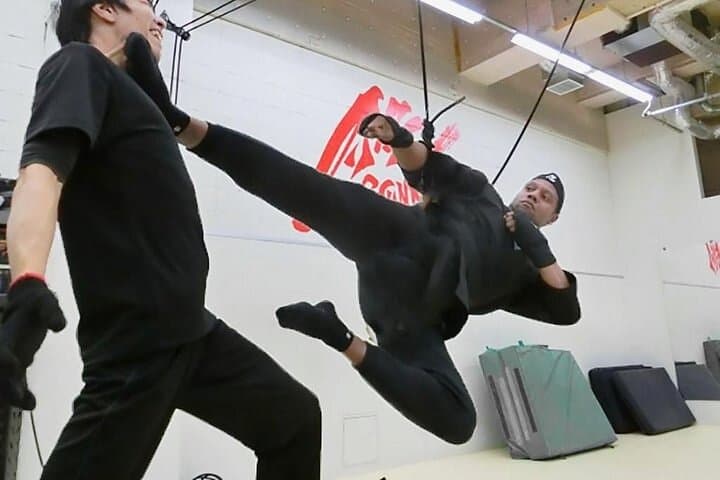
In central Akihabara, this hour-long session hands you the fundamentals of cinematic wire work: three distinct aerial moves, staged sword choreography, and guided falls. The instructors cue timing, safety, and camera angles while a small crew films your run so you leave with an edited short of your performance.
Wire action has roots in Hong Kong and East Asian cinema; Japan’s stunt traditions adapted those techniques for stage and screen, and places in Tokyo now offer civilian workshops that borrow professional rigging and choreography. Akihabara itself is better known for electronics and pop culture than stunts — expect a compact studio tucked among storefronts and cafés, with changing rooms and a brief orientation on harness limits.
Practically, the session is accessible: no prior experience required, but organizers screen for height, weight, and medical conditions (spinal, cardiovascular, pregnancy). Wear flexible, close-fitting athletic clothing; closed-toe shoes are recommended. Listen to pre-flight briefings, follow handlers’ cues during lifts, and keep your core engaged to minimize jolt to the harness.
Plan for a quick photo preview and video review after the performance. Public transport gets you there; bring a small bag for belongings and allow extra time for changing. This is a theatrical, controlled adrenaline hit — less wilderness climb than choreographed flight — that rewards curiosity, a steady breath, and willingness to try being airborne on camera.
easy.
1 hour.
Basic mobility and comfort with short bursts of exertion; not suitable for people with serious spine or heart conditions.
No, instructors teach all moves and safety procedures; sessions are designed for beginners.
Yes. Participants under 95 cm cannot take part; guests over 100 kg should contact organizers with measurements—harness sizes are limited.
Yes. The session includes professional filming and an edited short film you can take home or download.
Children shorter than 95 cm are not permitted; minimum age is effectively governed by height and ability to follow instructions.
Akihabara evolved from an electronics district into a global pop-culture hub; contemporary experiences here mix that tech-forward vibe with performance arts and boutique studios.
The activity is low-impact indoors; favor public transit to reduce your trip’s footprint and respect studio waste-reduction practices.
Ninja Wire Action Experience operates guided outdoor trips and adventures with an emphasis on safety, stewardship, and memorable experiences.
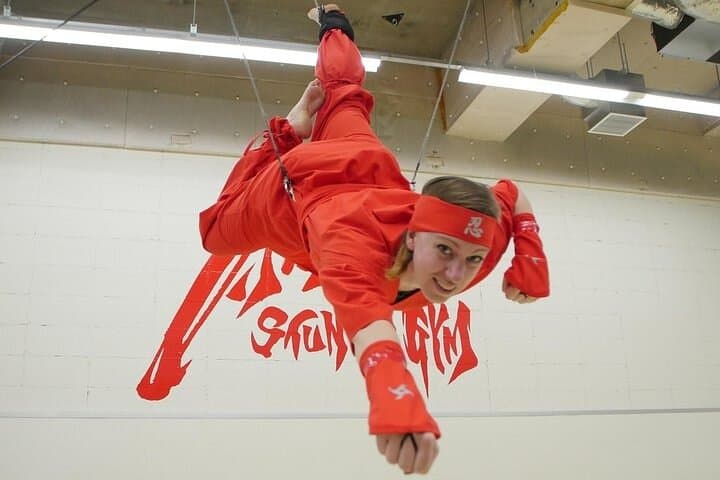


The studio lights come up and the rig hums — steel cables taut like quiet promises — as you step into a black-and-red ninja costume and a harness that will lift you off the floor.
The studio lights come up and the rig hums — steel cables taut like quiet promises — as you step into a black-and-red ninja costume and a harness that will lift you off the floor.
In central Akihabara, this hour-long session hands you the fundamentals of cinematic wire work: three distinct aerial moves, staged sword choreography, and guided falls. The instructors cue timing, safety, and camera angles while a small crew films your run so you leave with an edited short of your performance.
Wire action has roots in Hong Kong and East Asian cinema; Japan’s stunt traditions adapted those techniques for stage and screen, and places in Tokyo now offer civilian workshops that borrow professional rigging and choreography. Akihabara itself is better known for electronics and pop culture than stunts — expect a compact studio tucked among storefronts and cafés, with changing rooms and a brief orientation on harness limits.
Practically, the session is accessible: no prior experience required, but organizers screen for height, weight, and medical conditions (spinal, cardiovascular, pregnancy). Wear flexible, close-fitting athletic clothing; closed-toe shoes are recommended. Listen to pre-flight briefings, follow handlers’ cues during lifts, and keep your core engaged to minimize jolt to the harness.
Plan for a quick photo preview and video review after the performance. Public transport gets you there; bring a small bag for belongings and allow extra time for changing. This is a theatrical, controlled adrenaline hit — less wilderness climb than choreographed flight — that rewards curiosity, a steady breath, and willingness to try being airborne on camera.