THE ADVENTURE COLLECTIVE® · Independent discovery and booking for outdoor travel

Drive Trail Ridge Road to alpine heights and return along Bear Lake Road on a private, photography-focused 3/4-day tour. Expect panoramic ridgelines, accessible overlooks, and guided help composing wildlife and landscape shots.
Drive Trail Ridge Road to alpine heights and return along Bear Lake Road on a private, photography-focused 3/4-day tour. Expect panoramic ridgelines, accessible overlooks, and guided help composing wildlife and landscape shots.
You climb from fir-dark valleys into thin-air alpine aspen and tundra in a single morning, the highway unspooling like a ribbon over ridges. Trail Ridge Road pushes you toward the sky—above treeline—where the Alpine Visitor Center perches near 12,000 feet and the view makes you hold your breath. On return, Bear Lake Road bends through meadows and quiet lakes that often hold reflections and grazing elk.
Verified experiences and guided adventures in the surrounding area.
Operated by RMNPhotographer - Rocky Mountain National Park · Estes Park, Colorado
You climb from fir-dark valleys into thin-air alpine aspen and tundra in a single morning, the highway unspooling like a ribbon over ridges. Trail Ridge Road pushes you toward the sky—above treeline—where the Alpine Visitor Center perches near 12,000 feet and the view makes you hold your breath. On return, Bear Lake Road bends through meadows and quiet lakes that often hold reflections and grazing elk.
Geology shows itself plainly: glacially carved cirques, sculpted moraines, and steep granite spines that record repeated ice ages. Human history sits alongside—Arapaho and Ute peoples traveled these passes for generations; the park was established in 1915 to protect this high-country watershed. Culturally, Estes Park maintains a gateway vibe—guides here mix natural-history storytelling with practical trail knowledge.
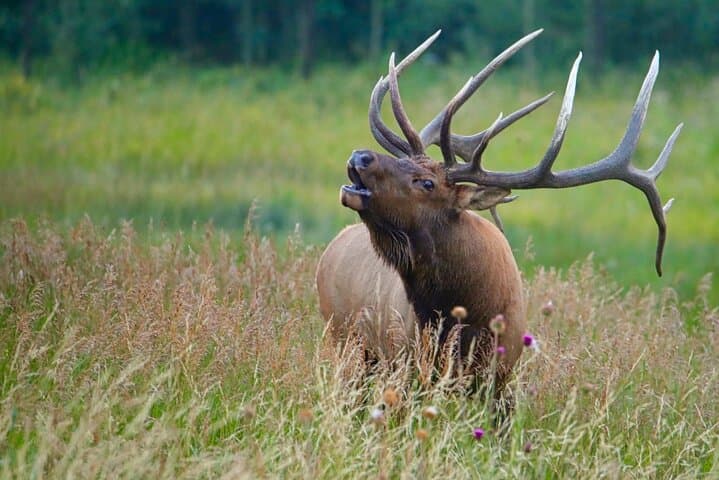
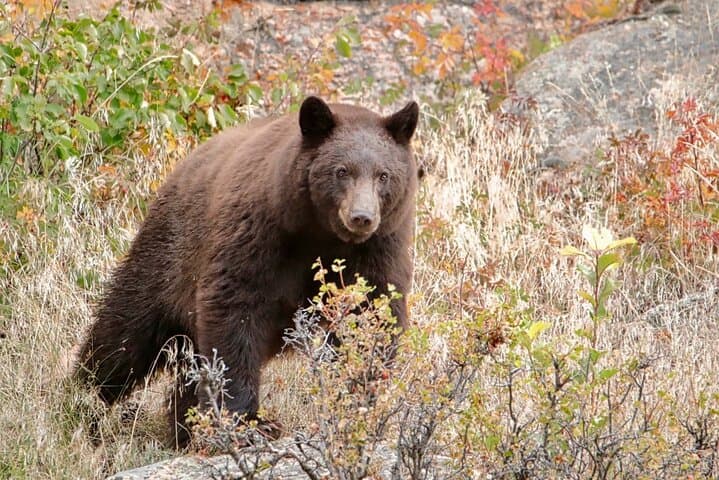
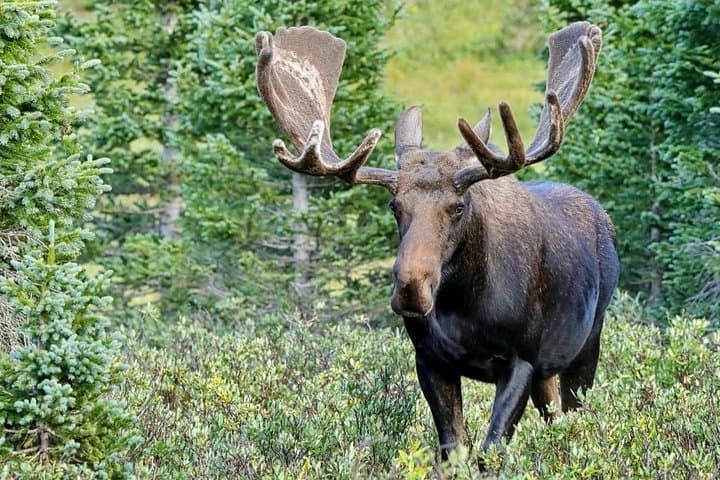
Expect stops at overlooks, short paved walks, and plenty of window-time for wildlife watching; moose and elk are common in meadows, deer more ubiquitous. Photographers will appreciate early light on the high ridge and softer reflections closer to Bear Lake and Sprague Lake.
Practical guidance: acclimatize if you’re coming from low elevation, drink water, and layer—temperatures swing rapidly with altitude. Timed-entry reservations may be required for peak season; plan early-morning departures for quieter wildlife viewing. Guides typically assist with camera settings and composition, but bring extra batteries and a wide-angle plus telephoto if you have them. Weather can change fast—carry a windproof shell and expect snow on upper sections into late spring.
easy.
6 hours.
Suitable for most fitness levels—primarily a vehicle-based tour with short, paved walks at viewpoints
During peak season the park often requires timed-entry reservations for vehicle access; your tour includes timed entry when required—confirm with the operator before travel.
No—the itinerary is vehicle-based with short, mostly paved stops; participants of most fitness levels can join.
Yes—per guest request guides can drive your vehicle so you can shoot from the passenger seat and step out at viewpoints.
Ascend slowly, hydrate, avoid alcohol, and rest if you feel lightheaded; descend if symptoms worsen significantly.
Rocky Mountain National Park was established in 1915 to protect the high mountain watershed and the historic travel corridors used by Arapaho and Ute peoples.
Stay on designated roads and boardwalks, never feed wildlife, and pack out all trash—high-country ecosystems are fragile and recover slowly.
RMNPhotographer - Rocky Mountain National Park operates guided outdoor trips and adventures with an emphasis on safety, stewardship, and memorable experiences.
You climb from fir-dark valleys into thin-air alpine aspen and tundra in a single morning, the highway unspooling like a ribbon over ridges. Trail Ridge Road pushes you toward the sky—above treeline—where the Alpine Visitor Center perches near 12,000 feet and the view makes you hold your breath. On return, Bear Lake Road bends through meadows and quiet lakes that often hold reflections and grazing elk.
You climb from fir-dark valleys into thin-air alpine aspen and tundra in a single morning, the highway unspooling like a ribbon over ridges. Trail Ridge Road pushes you toward the sky—above treeline—where the Alpine Visitor Center perches near 12,000 feet and the view makes you hold your breath. On return, Bear Lake Road bends through meadows and quiet lakes that often hold reflections and grazing elk.
Geology shows itself plainly: glacially carved cirques, sculpted moraines, and steep granite spines that record repeated ice ages. Human history sits alongside—Arapaho and Ute peoples traveled these passes for generations; the park was established in 1915 to protect this high-country watershed. Culturally, Estes Park maintains a gateway vibe—guides here mix natural-history storytelling with practical trail knowledge.
Expect stops at overlooks, short paved walks, and plenty of window-time for wildlife watching; moose and elk are common in meadows, deer more ubiquitous. Photographers will appreciate early light on the high ridge and softer reflections closer to Bear Lake and Sprague Lake.
Practical guidance: acclimatize if you’re coming from low elevation, drink water, and layer—temperatures swing rapidly with altitude. Timed-entry reservations may be required for peak season; plan early-morning departures for quieter wildlife viewing. Guides typically assist with camera settings and composition, but bring extra batteries and a wide-angle plus telephoto if you have them. Weather can change fast—carry a windproof shell and expect snow on upper sections into late spring.