THE ADVENTURE COLLECTIVE® · Independent discovery and booking for outdoor travel

Walk Bukchon’s stone lanes and taste dishes shaped by royal and home kitchens. This three-hour Seoul tour blends hanok architecture, food history, and a final tea tasting in an intimate traditional house.
Walk Bukchon’s stone lanes and taste dishes shaped by royal and home kitchens. This three-hour Seoul tour blends hanok architecture, food history, and a final tea tasting in an intimate traditional house.
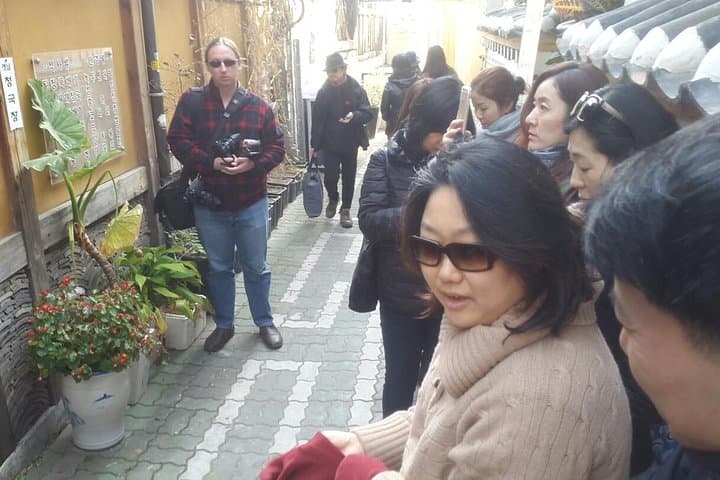
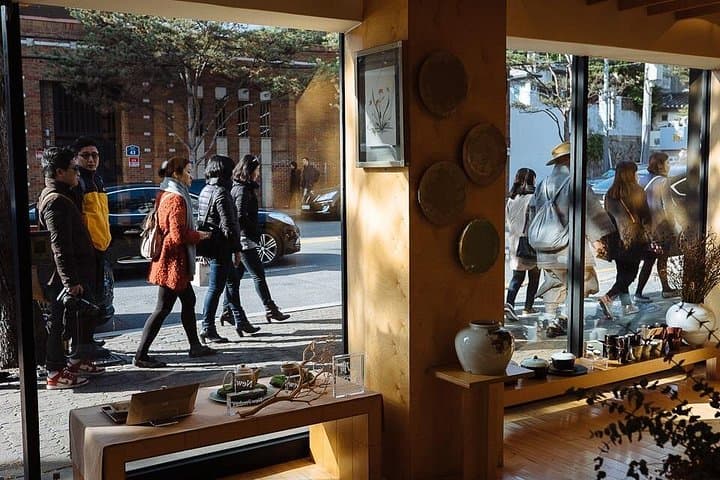
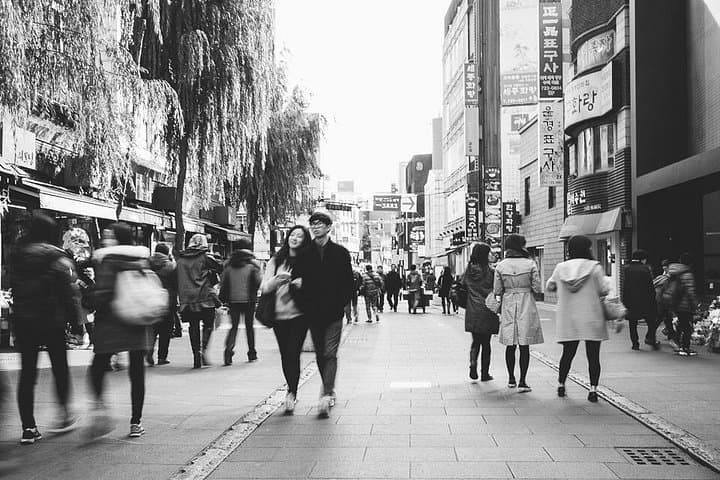
You step off a busy Seoul street and into an alley where wooden eaves lean over narrow stone lanes, roofs seeming to breathe with the rhythm of the city. Morning light slides across curved tiles; the air carries the spice of grilled fish and the faint steam of freshly brewed tea. This is Bukchon Hanok Village—a living neighborhood where Joseon-era houses meet present-day workshops—and the Traditional Gourmet tour threads you through its lanes to taste court-influenced dishes and home-cooked flavors.
Verified experiences and guided adventures in the surrounding area.
Operated by Gastro Tour Seoul · Seoul, Seoul
You step off a busy Seoul street and into an alley where wooden eaves lean over narrow stone lanes, roofs seeming to breathe with the rhythm of the city. Morning light slides across curved tiles; the air carries the spice of grilled fish and the faint steam of freshly brewed tea. This is Bukchon Hanok Village—a living neighborhood where Joseon-era houses meet present-day workshops—and the Traditional Gourmet tour threads you through its lanes to taste court-influenced dishes and home-cooked flavors.
Bukchon sits between Gyeongbokgung and Changdeokgung palaces, its hanok architecture reflecting timber joinery and tiled roofs developed over centuries. The tour pairs culinary history with cultural context: bulgogi’s evolution from royal table to modern favorite, pajeon’s regional variations, and tea rituals that emphasize temperature and timing. The hanok you visit is itself a piece of Seoul’s urban fabric—turn-of-the-20th-century residences preserved and repurposed as restaurants and tea rooms.
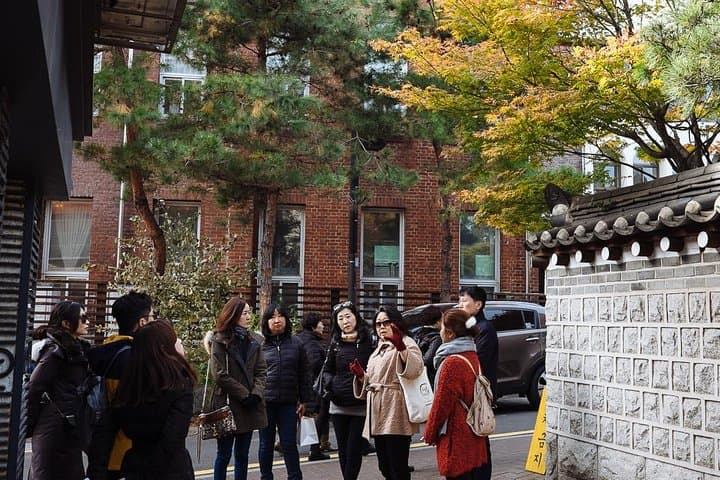
Expect about three hours of mostly flat walking on paved and stone surfaces; the group size is small (max 12). Guides often explain ingredients, etiquette, and seasonal variations while you sample several dishes and end in a quiet tea room for a curated tasting.
Practical notes: wear comfortable walking shoes and dress in layers for Seoul’s variable weather; bring a small daypack and a reusable water bottle. If you have dietary restrictions, notify the operator in advance for vegetarian options. Arrive with cash or card, and plan extra time to continue exploring Bukchon’s side alleys—this tour is both a tasting menu and an orientation to one of Seoul’s oldest quarters.
moderate.
3 hours.
Light to moderate fitness; mostly standing and short walks between sites
The experience lasts about three hours and includes walking through Bukchon and a sit-down meal with tea tasting.
Yes—vegetarian options exist but must be requested at the time of booking to accommodate traditional recipes.
The tour involves walking on stone paths and some stairs; it’s suitable for most ages but requires moderate mobility.
Guides may be multi-lingual; check the specific booking for language options and request assistance if needed.
Bukchon developed as a residential quarter for high-ranking officials during the Joseon dynasty and retains many traditional hanok structures reflecting Korean timber construction.
Local efforts balance tourism with preservation by restricting access to private homes and promoting respectful visitor behavior; stick to paths and avoid littering.
Gastro Tour Seoul operates guided outdoor trips and adventures with an emphasis on safety, stewardship, and memorable experiences.
You step off a busy Seoul street and into an alley where wooden eaves lean over narrow stone lanes, roofs seeming to breathe with the rhythm of the city. Morning light slides across curved tiles; the air carries the spice of grilled fish and the faint steam of freshly brewed tea. This is Bukchon Hanok Village—a living neighborhood where Joseon-era houses meet present-day workshops—and the Traditional Gourmet tour threads you through its lanes to taste court-influenced dishes and home-cooked flavors.
You step off a busy Seoul street and into an alley where wooden eaves lean over narrow stone lanes, roofs seeming to breathe with the rhythm of the city. Morning light slides across curved tiles; the air carries the spice of grilled fish and the faint steam of freshly brewed tea. This is Bukchon Hanok Village—a living neighborhood where Joseon-era houses meet present-day workshops—and the Traditional Gourmet tour threads you through its lanes to taste court-influenced dishes and home-cooked flavors.
Bukchon sits between Gyeongbokgung and Changdeokgung palaces, its hanok architecture reflecting timber joinery and tiled roofs developed over centuries. The tour pairs culinary history with cultural context: bulgogi’s evolution from royal table to modern favorite, pajeon’s regional variations, and tea rituals that emphasize temperature and timing. The hanok you visit is itself a piece of Seoul’s urban fabric—turn-of-the-20th-century residences preserved and repurposed as restaurants and tea rooms.
Expect about three hours of mostly flat walking on paved and stone surfaces; the group size is small (max 12). Guides often explain ingredients, etiquette, and seasonal variations while you sample several dishes and end in a quiet tea room for a curated tasting.
Practical notes: wear comfortable walking shoes and dress in layers for Seoul’s variable weather; bring a small daypack and a reusable water bottle. If you have dietary restrictions, notify the operator in advance for vegetarian options. Arrive with cash or card, and plan extra time to continue exploring Bukchon’s side alleys—this tour is both a tasting menu and an orientation to one of Seoul’s oldest quarters.