THE ADVENTURE COLLECTIVE® · Independent discovery and booking for outdoor travel

Start the day like a local in Sarajevo: stroll markets, taste fresh burek, and learn the city's coffee and tea rituals. This two-hour walking tour pairs neighborhood stories with hands-on tastings.
Start the day like a local in Sarajevo: stroll markets, taste fresh burek, and learn the city's coffee and tea rituals. This two-hour walking tour pairs neighborhood stories with hands-on tastings.
The morning opens in Baščaršija with steam rising from metal trays of burek and the Miljacka river murmuring through the valley.
You meet your guide outside a local gourmet shop as shutters lift and bakers pull somun and pies from wood-fired ovens — a quiet, social ritual that sets the pace for the next two hours.
Verified experiences and guided adventures in the surrounding area.
Operated by Balkantina · Sarajevo, Sarajevo Canton
The morning opens in Baščaršija with steam rising from metal trays of burek and the Miljacka river murmuring through the valley.
You meet your guide outside a local gourmet shop as shutters lift and bakers pull somun and pies from wood-fired ovens — a quiet, social ritual that sets the pace for the next two hours.
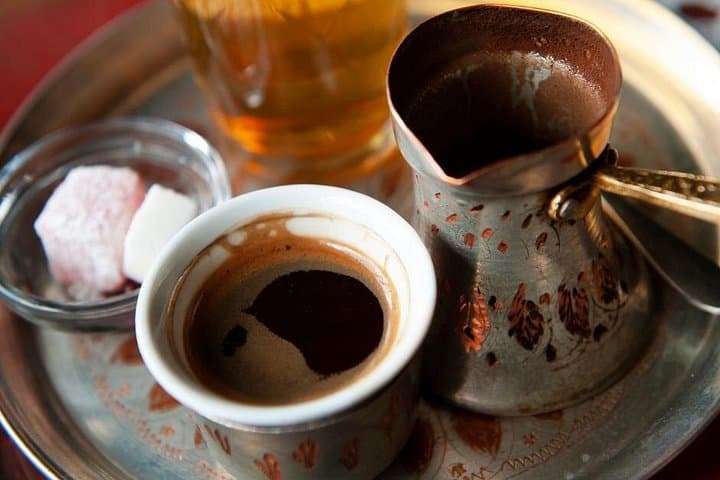
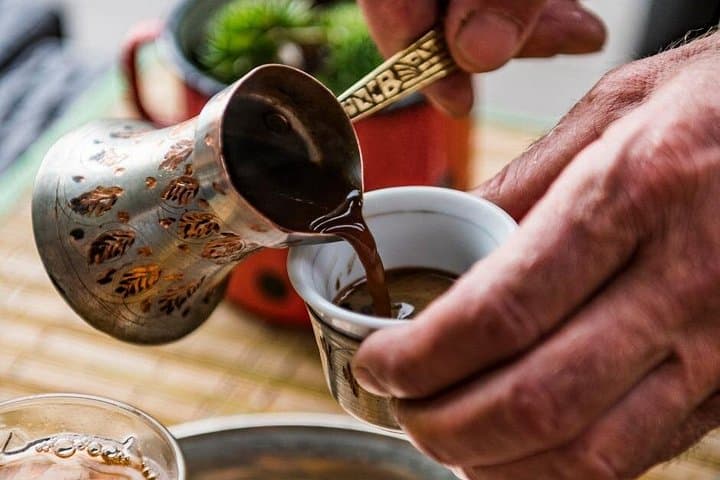
Sarajevo's food scene is a living map of history: Ottoman coffeehouses, Austro-Hungarian market halls, and neighborhood bakeries where techniques have passed between families for generations. Geology shapes the experience too — the city sits in a basin carved by the Dinaric Alps and threaded by markets that follow old trade routes. Cultural notes arrive in small bites: kajmak spread on warm bread, burek rolled by hand, and the slow, concentrated sip of Bosnian coffee served black and strong.
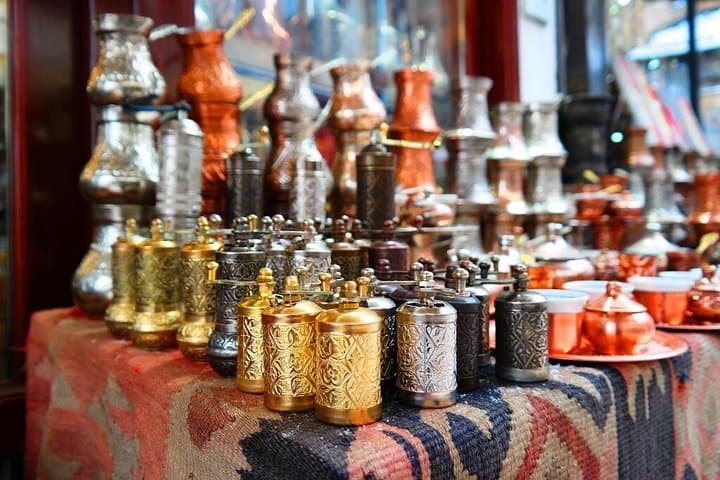
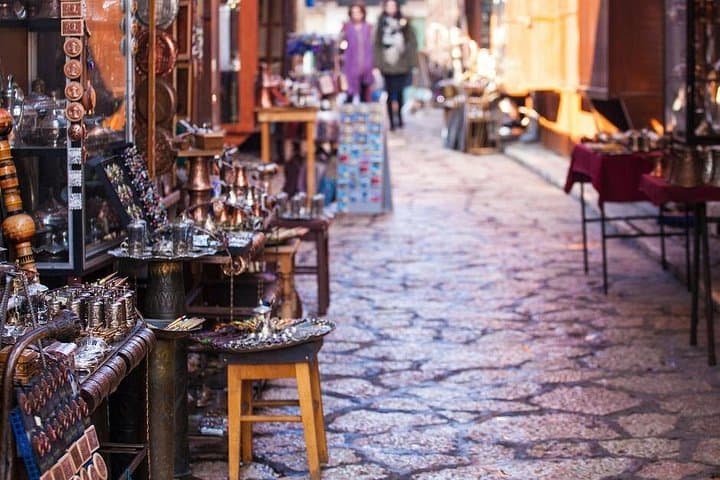
The tour moves at a gentle urban pace across cobblestones and tiled floors, stopping at a green market, a pie shop, a coffee roaster, a tea boutique, and finishing with a local rakia tasting. Expect 20–30 minute stops with stories about ingredients, seasonal produce, and local morning rituals.
Practical guidance: come hungry, wear comfortable shoes for uneven pavement, and flag any dietary restrictions in advance. Cash helps for small purchases, though most stops accept cards. Morning hours are best for market variety and smaller crowds; if rain is forecast, many stops are covered but bring a light jacket. This is a compact, flavorful introduction to Sarajevo — short on distance but rich in taste and context.
easy.
2 hours.
Suitable for all fitness levels; requires short periods of standing and walking on uneven urban surfaces
The tour lasts about two hours with short walks between nearby stops — total distance is roughly 1–2 kilometers on mostly flat urban streets.
Yes. Notify the operator at booking and the guide will adjust tastings when possible; severe allergies should be flagged in advance.
The meeting point is in front of the local gourmet shop Balkantina in Baščaršija; exact meeting instructions are provided after booking.
Tipping is appreciated for guides and small shops; small cash tips are customary but not mandatory.
Sarajevo's market culture reflects Ottoman-era bazaars and Austro-Hungarian market hall architecture; many food traditions trace back centuries of trade and cross-cultural exchange.
Support small family businesses and minimize packaging by bringing a reusable bottle; vendors are often open to sustainable requests.
Balkantina operates guided outdoor trips and adventures with an emphasis on safety, stewardship, and memorable experiences.
The morning opens in Baščaršija with steam rising from metal trays of burek and the Miljacka river murmuring through the valley.
You meet your guide outside a local gourmet shop as shutters lift and bakers pull somun and pies from wood-fired ovens — a quiet, social ritual that sets the pace for the next two hours.
The morning opens in Baščaršija with steam rising from metal trays of burek and the Miljacka river murmuring through the valley.
You meet your guide outside a local gourmet shop as shutters lift and bakers pull somun and pies from wood-fired ovens — a quiet, social ritual that sets the pace for the next two hours.
Sarajevo's food scene is a living map of history: Ottoman coffeehouses, Austro-Hungarian market halls, and neighborhood bakeries where techniques have passed between families for generations. Geology shapes the experience too — the city sits in a basin carved by the Dinaric Alps and threaded by markets that follow old trade routes. Cultural notes arrive in small bites: kajmak spread on warm bread, burek rolled by hand, and the slow, concentrated sip of Bosnian coffee served black and strong.
The tour moves at a gentle urban pace across cobblestones and tiled floors, stopping at a green market, a pie shop, a coffee roaster, a tea boutique, and finishing with a local rakia tasting. Expect 20–30 minute stops with stories about ingredients, seasonal produce, and local morning rituals.
Practical guidance: come hungry, wear comfortable shoes for uneven pavement, and flag any dietary restrictions in advance. Cash helps for small purchases, though most stops accept cards. Morning hours are best for market variety and smaller crowds; if rain is forecast, many stops are covered but bring a light jacket. This is a compact, flavorful introduction to Sarajevo — short on distance but rich in taste and context.