THE ADVENTURE COLLECTIVE® · Independent discovery and booking for outdoor travel

Join a three-hour, hands-on drumming and dance class in Kigali where local experts teach the rhythms and movements of traditional Rwandan performance. Learn the history behind the beats, practice choreography, and shop for artisan-made souvenirs.
Join a three-hour, hands-on drumming and dance class in Kigali where local experts teach the rhythms and movements of traditional Rwandan performance. Learn the history behind the beats, practice choreography, and shop for artisan-made souvenirs.
You step off a Kigali side street into a courtyard where palms and paint-peeled walls frame a low hall. The first beat arrives before the door closes: thick, resonant drum strokes that pull your shoulders into attention. Dancers in woven costumes move with deliberate feet, a choreography that once marked royal ceremonies and now animates community life.
Verified experiences and guided adventures in the surrounding area.
Operated by Azizi Life · Kigali, Kigali
You step off a Kigali side street into a courtyard where palms and paint-peeled walls frame a low hall. The first beat arrives before the door closes: thick, resonant drum strokes that pull your shoulders into attention. Dancers in woven costumes move with deliberate feet, a choreography that once marked royal ceremonies and now animates community life.
Drumming and dance in Rwanda are practical storytelling—rhythms that once organized labor, celebrated livestock, and marked rites of passage. The class opens with a short history: why some movements mimic cows’ steps, how drum patterns communicate, and how Intore dancers became a symbol of skill and endurance. Experts demonstrate posture, footwork and arm timing, then break you into coached repetitions that build into a short group performance.
Expect hands-on learning: guided warm-ups, step-by-step coaching, and a chance to try a drum. Short rests and Q&A let you connect with instructors and the cultural logic behind each beat. The session ends with free time to browse high-quality handicrafts made by local artisans—an apt way to support the economy that keeps these traditions alive.
Plan for moderate physical activity: rhythmic stepping, repeated motions, and standing for much of the three-hour class. Wear breathable, flexible clothes and closed shoes with grip. Respectful questions are welcome; ask about meanings behind movements and the artisans who made the costumes. Whether you arrive curious or committed, the experience is a muscular, social way to learn Rwanda’s living cultural language.
moderate.
3 hours.
Moderate—expect standing, repeated rhythmic steps, and light choreography; suitable for those who can handle 90–120 minutes of active movement.
No—classes are taught from the ground up and designed for beginners and visitors; instructors progress at a steady pace.
Most sessions are conducted in English with Kinyarwanda explanations; ask when booking if you need a specific language.
The activity notes wheelchair and stroller accessibility and allows children, but check with the operator about mobility-specific arrangements beforehand.
Yes—there’s a shop with high-quality handicrafts made by local artisans, and purchases help support community programs.
Drumming and dance in Rwanda have roots in court ceremonies and cattle culture; patterns often encode social roles and historical stories.
Support for local artisans and ethical souvenir purchases helps sustain traditional crafts and gives economic incentive to preserve cultural practices.
Azizi Life operates guided outdoor trips and adventures with an emphasis on safety, stewardship, and memorable experiences.
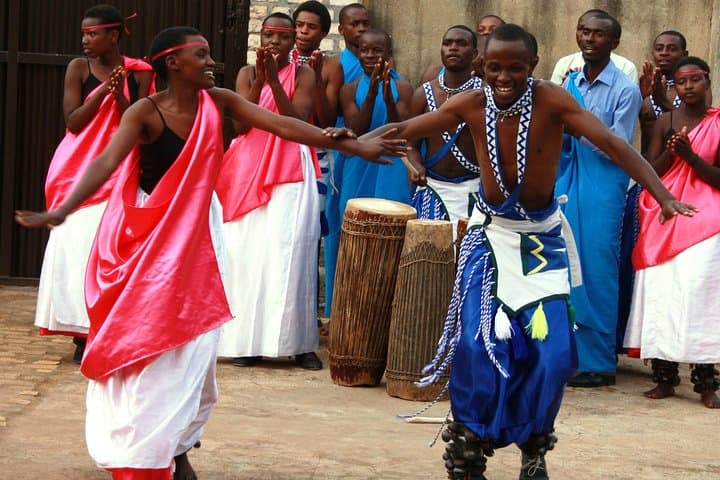
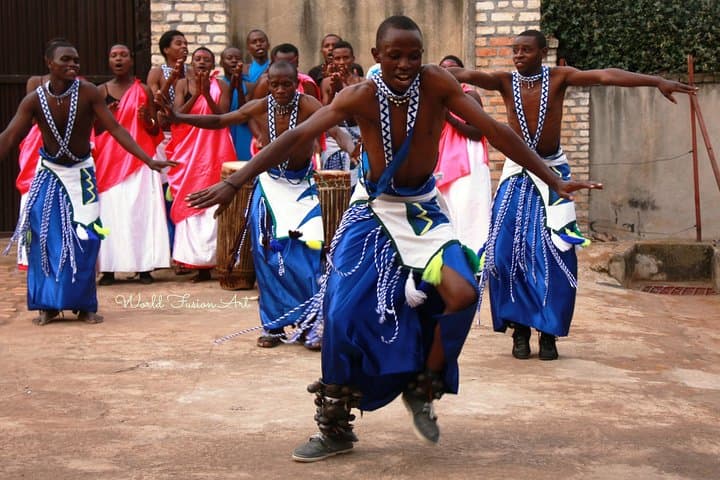
You step off a Kigali side street into a courtyard where palms and paint-peeled walls frame a low hall. The first beat arrives before the door closes: thick, resonant drum strokes that pull your shoulders into attention. Dancers in woven costumes move with deliberate feet, a choreography that once marked royal ceremonies and now animates community life.
You step off a Kigali side street into a courtyard where palms and paint-peeled walls frame a low hall. The first beat arrives before the door closes: thick, resonant drum strokes that pull your shoulders into attention. Dancers in woven costumes move with deliberate feet, a choreography that once marked royal ceremonies and now animates community life.
Drumming and dance in Rwanda are practical storytelling—rhythms that once organized labor, celebrated livestock, and marked rites of passage. The class opens with a short history: why some movements mimic cows’ steps, how drum patterns communicate, and how Intore dancers became a symbol of skill and endurance. Experts demonstrate posture, footwork and arm timing, then break you into coached repetitions that build into a short group performance.
Expect hands-on learning: guided warm-ups, step-by-step coaching, and a chance to try a drum. Short rests and Q&A let you connect with instructors and the cultural logic behind each beat. The session ends with free time to browse high-quality handicrafts made by local artisans—an apt way to support the economy that keeps these traditions alive.
Plan for moderate physical activity: rhythmic stepping, repeated motions, and standing for much of the three-hour class. Wear breathable, flexible clothes and closed shoes with grip. Respectful questions are welcome; ask about meanings behind movements and the artisans who made the costumes. Whether you arrive curious or committed, the experience is a muscular, social way to learn Rwanda’s living cultural language.