THE ADVENTURE COLLECTIVE® · Independent discovery and booking for outdoor travel

Spend two hours learning soda farls, wheaten and potato breads in a cozy country kitchen near Bellaghy. Hands-on instruction, seasonal foraging options and a shared soup and tea make this a practical, welcoming dive into Irish food traditions.
Spend two hours learning soda farls, wheaten and potato breads in a cozy country kitchen near Bellaghy. Hands-on instruction, seasonal foraging options and a shared soup and tea make this a practical, welcoming dive into Irish food traditions.
Steam rises from a cast-iron pot as you step from a narrow lane into a low stone cottage kitchen; the turf fire hisses and the scent of toasted flour fills the air. Bronagh greets you with a mug of tea, an apron, and a simple promise: learn the rhythms of Irish home baking and leave with bread that tastes like place.
Verified experiences and guided adventures in the surrounding area.
Operated by Bakehouse NI · Bellaghy, County Londonderry
Steam rises from a cast-iron pot as you step from a narrow lane into a low stone cottage kitchen; the turf fire hisses and the scent of toasted flour fills the air. Bronagh greets you with a mug of tea, an apron, and a simple promise: learn the rhythms of Irish home baking and leave with bread that tastes like place.
The class threads together living food traditions and local landscape. Soda farls, wheaten loaves and potato bread evolved from small farms and peat-heated kitchens across Mid Ulster; the breads are practical, salty, and made to soak up broth. Geology shows up in the pantry — mineral-rich well water and peaty soil influence flavors, while hedgerows and nearby Lough Beg supply seasonal herbs and wild greens foraged on walks.
Culturally, this is domestic craft as heritage: recipes passed down through families, adapted to scarcity and celebration. Expect hands-on instruction, a live demo, and an emphasis on technique over perfection; you’ll shape, bake, and break bread together before sitting for a simple soup and tea.
Practical guidance: arrive 10–15 minutes before start, tell hosts about allergies, and wear closed-toe shoes — kitchens are warm and surfaces can be slippery. Bring a small container for leftovers and a notebook if you like details. Classes run about two hours and are suitable for beginners; foraging components vary by season and weather. Leave your phone in your pocket and be ready to learn by doing — in this kitchen, flour on your hands is part of the lesson.
easy.
2 hours.
Minimal physical effort required; suitable for most adults and older children able to stand for short periods
Yes — the host asks for dietary requirements at booking and can adjust recipes; notify them in advance to ensure safe alternatives.
The experience listing notes wheelchair and stroller accessibility for this venue, but contact the operator ahead of time to confirm any individual needs.
Children can participate but spaces are limited and the experience is best suited to those who can follow kitchen safety instructions; check age policies when booking.
Foraging is seasonal and varies by class — some sessions include a short guided foraging component, typically in spring through autumn, whereas winter classes focus on indoor techniques.
Breadmaking in Ulster traces to small-family farms where soda and wheaten breads were everyday staples; peat fires and well water shaped techniques and flavor.
Foraging is practiced sustainably here — only common, abundant plants are taught and guests are asked to follow leave-no-trace principles to protect hedgerows and meadows.
Bakehouse NI operates guided outdoor trips and adventures with an emphasis on safety, stewardship, and memorable experiences.
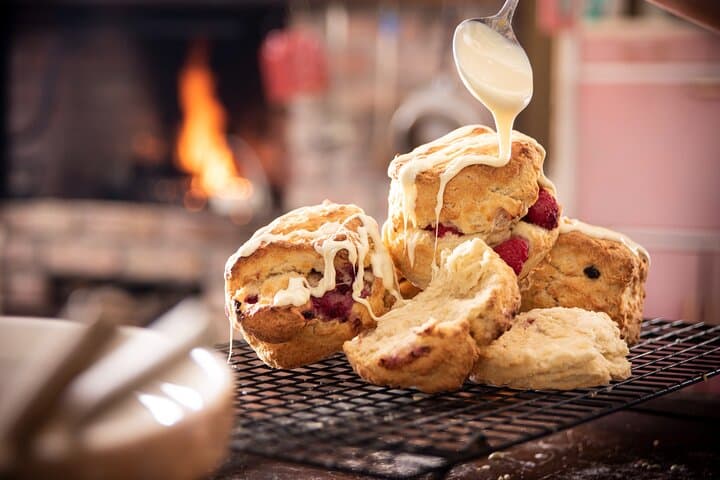


Steam rises from a cast-iron pot as you step from a narrow lane into a low stone cottage kitchen; the turf fire hisses and the scent of toasted flour fills the air. Bronagh greets you with a mug of tea, an apron, and a simple promise: learn the rhythms of Irish home baking and leave with bread that tastes like place.
Steam rises from a cast-iron pot as you step from a narrow lane into a low stone cottage kitchen; the turf fire hisses and the scent of toasted flour fills the air. Bronagh greets you with a mug of tea, an apron, and a simple promise: learn the rhythms of Irish home baking and leave with bread that tastes like place.
The class threads together living food traditions and local landscape. Soda farls, wheaten loaves and potato bread evolved from small farms and peat-heated kitchens across Mid Ulster; the breads are practical, salty, and made to soak up broth. Geology shows up in the pantry — mineral-rich well water and peaty soil influence flavors, while hedgerows and nearby Lough Beg supply seasonal herbs and wild greens foraged on walks.
Culturally, this is domestic craft as heritage: recipes passed down through families, adapted to scarcity and celebration. Expect hands-on instruction, a live demo, and an emphasis on technique over perfection; you’ll shape, bake, and break bread together before sitting for a simple soup and tea.
Practical guidance: arrive 10–15 minutes before start, tell hosts about allergies, and wear closed-toe shoes — kitchens are warm and surfaces can be slippery. Bring a small container for leftovers and a notebook if you like details. Classes run about two hours and are suitable for beginners; foraging components vary by season and weather. Leave your phone in your pocket and be ready to learn by doing — in this kitchen, flour on your hands is part of the lesson.