THE ADVENTURE COLLECTIVE® · Independent discovery and booking for outdoor travel

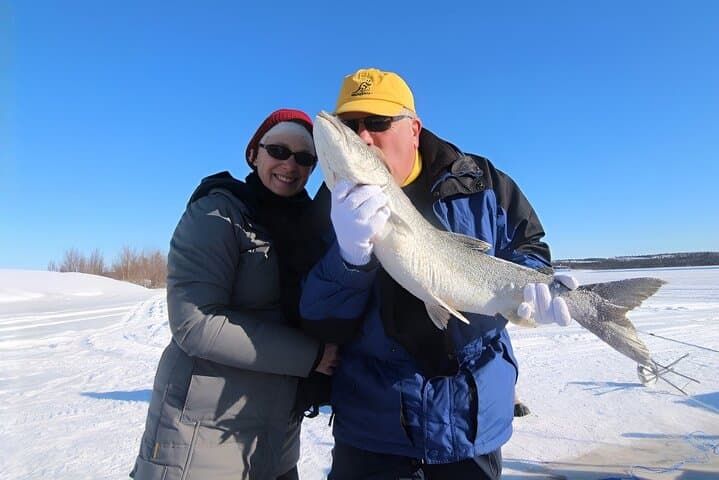
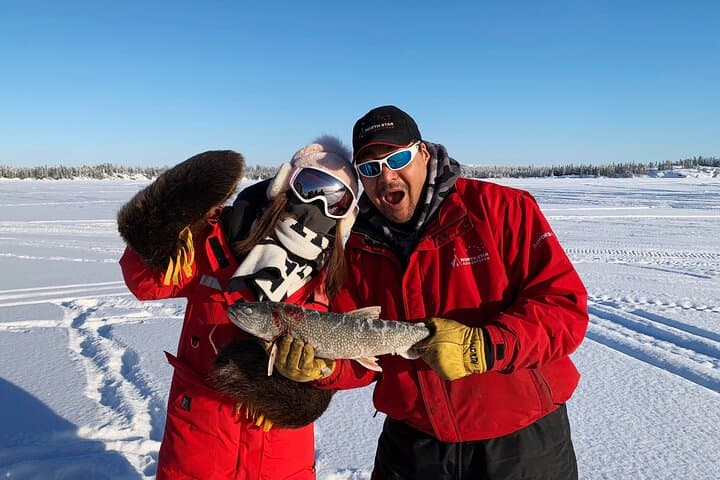
Spend four hours on frozen Great Slave Lake with Dene guides learning traditional ice-fishing techniques, tasting freshly caught fish and bannock, and hearing stories of Tu Nehthè. This intimate cultural experience pairs hands-on fishing in heated huts with a guided visit to an Indigenous culture camp.
Spend four hours on frozen Great Slave Lake with Dene guides learning traditional ice-fishing techniques, tasting freshly caught fish and bannock, and hearing stories of Tu Nehthè. This intimate cultural experience pairs hands-on fishing in heated huts with a guided visit to an Indigenous culture camp.
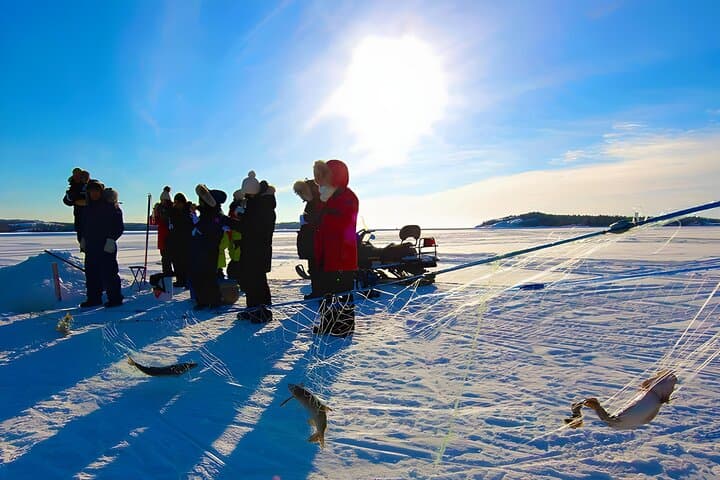
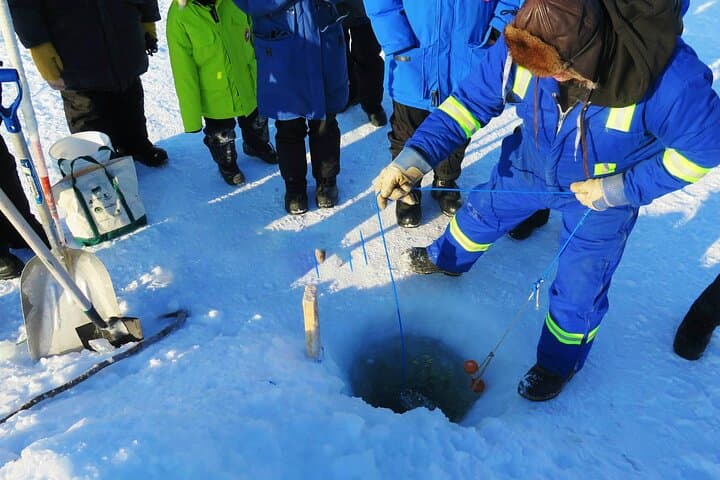
A cold wind moves across the ice like a slow clock: you hear the rasp of snow under boots and the hushed conversation of Dene guides preparing nets. On Great Slave Lake’s frozen expanse the ice feels ancient and decisive, holding the lake’s depths beneath a sculpted white surface as guides cut the first hole and explain what the land has taught their people.
Verified experiences and guided adventures in the surrounding area.
Operated by North Star Adventures · Yellowknife, Northwest Territories
A cold wind moves across the ice like a slow clock: you hear the rasp of snow under boots and the hushed conversation of Dene guides preparing nets. On Great Slave Lake’s frozen expanse the ice feels ancient and decisive, holding the lake’s depths beneath a sculpted white surface as guides cut the first hole and explain what the land has taught their people.
This place—Tu Nehthè in Dene—has been a yearly source of food, language and ceremony for generations. Geologically, Great Slave Lake is a product of glacial scouring; its deep basins feed strong currents and sustain large lake trout and pike, species central to Dene subsistence. The cultural portion of the tour frames fishing not as sport but as practice: net setting under the ice, Dene names for fish, and stories linked to hunting seasons and seasonal travel routes.
Practically, expect a four-hour outing with short walks across packed snow, time inside heated fishing huts, and a return to a culture camp for bannock and bush tea. Dress in layers (moisture-wicking base, insulating mid-layer, windproof outer), bring insulated waterproof boots, and keep hands functional with thin liners under bulky gloves for tasks like baiting and holding a gill net. Timing matters—midnight sun is absent, but clear winter nights often bring aurora; the best light for photos is low, cold daylight.
The experience suits travelers with moderate fitness who can step on uneven ice and tolerate cold. Guides provide gear and instruction; come curious, respectful, and ready to participate in both harvest and story.
moderate.
4 hours.
Moderate fitness: able to walk on uneven, icy surfaces and stand outdoors in cold for extended periods
No — guides demonstrate traditional net setting and fishing techniques; guests can participate at their comfort level.
Guides choose tested ice near shore, mark holes, operate heated huts, and provide instruction; follow all guide directions and avoid unsupervised wandering.
Yes — the tour concludes at an Indigenous Culture Camp with a traditional fish meal, bannock and bush tea included.
Children may join if able to tolerate cold conditions and follow safety guidance; check operator age rules during booking.
This lake and its shoreline belong to Dene communities for millennia; ice fishing and net techniques are part of seasonal economies and oral histories transmitted through language and ceremony.
Local guides practice stewardship: measured harvests, respect for spawning areas, and guidance to minimize waste and footprint on shorelines and camps.
North Star Adventures operates guided outdoor trips and adventures with an emphasis on safety, stewardship, and memorable experiences.
A cold wind moves across the ice like a slow clock: you hear the rasp of snow under boots and the hushed conversation of Dene guides preparing nets. On Great Slave Lake’s frozen expanse the ice feels ancient and decisive, holding the lake’s depths beneath a sculpted white surface as guides cut the first hole and explain what the land has taught their people.
A cold wind moves across the ice like a slow clock: you hear the rasp of snow under boots and the hushed conversation of Dene guides preparing nets. On Great Slave Lake’s frozen expanse the ice feels ancient and decisive, holding the lake’s depths beneath a sculpted white surface as guides cut the first hole and explain what the land has taught their people.
This place—Tu Nehthè in Dene—has been a yearly source of food, language and ceremony for generations. Geologically, Great Slave Lake is a product of glacial scouring; its deep basins feed strong currents and sustain large lake trout and pike, species central to Dene subsistence. The cultural portion of the tour frames fishing not as sport but as practice: net setting under the ice, Dene names for fish, and stories linked to hunting seasons and seasonal travel routes.
Practically, expect a four-hour outing with short walks across packed snow, time inside heated fishing huts, and a return to a culture camp for bannock and bush tea. Dress in layers (moisture-wicking base, insulating mid-layer, windproof outer), bring insulated waterproof boots, and keep hands functional with thin liners under bulky gloves for tasks like baiting and holding a gill net. Timing matters—midnight sun is absent, but clear winter nights often bring aurora; the best light for photos is low, cold daylight.
The experience suits travelers with moderate fitness who can step on uneven ice and tolerate cold. Guides provide gear and instruction; come curious, respectful, and ready to participate in both harvest and story.