THE ADVENTURE COLLECTIVE® · Independent discovery and booking for outdoor travel

Experience a two-hour traditional Turkish hammam in Kemer: steam, heated marble exfoliation, foam massage and aromatherapy oils combine for a restorative cultural ritual. Practical tips and local context help you prepare to relax safely and respectfully.
Experience a two-hour traditional Turkish hammam in Kemer: steam, heated marble exfoliation, foam massage and aromatherapy oils combine for a restorative cultural ritual. Practical tips and local context help you prepare to relax safely and respectfully.
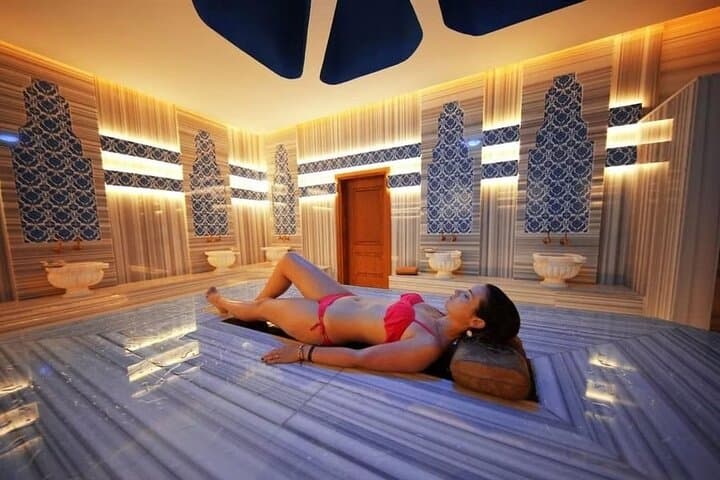
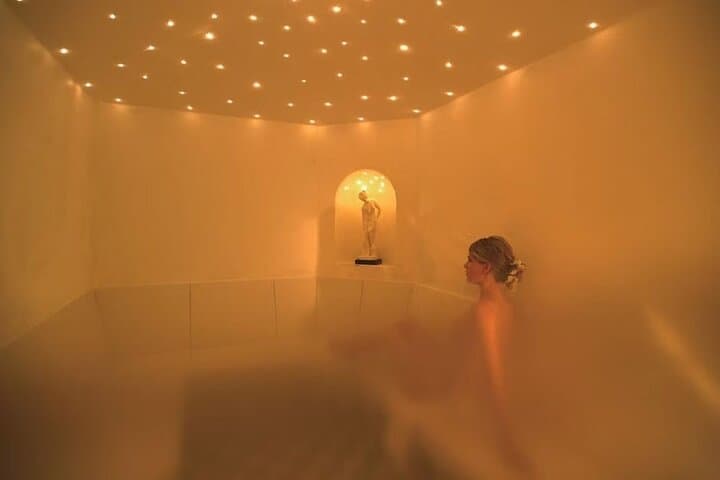
You step off the street into a warm hush: steam rising in gentle columns, the tiled floor sending up a faint mineral coolness beneath your feet. The attendant hands you a pestemal — a thin cotton towel — and gestures toward a low, heated marble slab where steam and light shape the room.
Verified experiences and guided adventures in the surrounding area.
Operated by KEMER TOURS · Kemer, Antalya Province
You step off the street into a warm hush: steam rising in gentle columns, the tiled floor sending up a faint mineral coolness beneath your feet. The attendant hands you a pestemal — a thin cotton towel — and gestures toward a low, heated marble slab where steam and light shape the room.
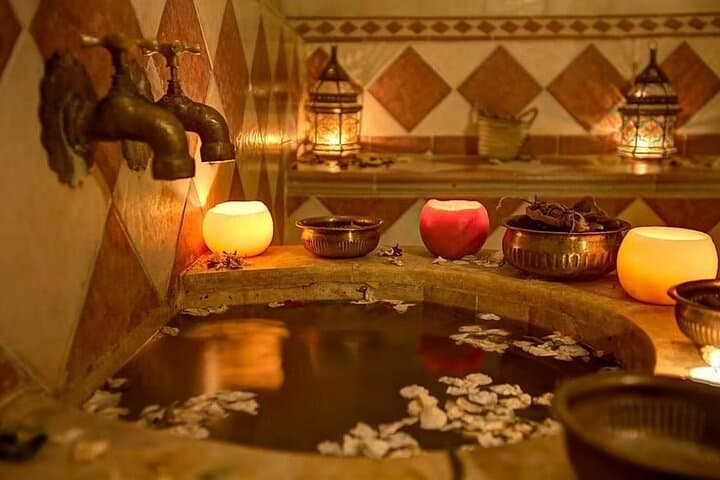
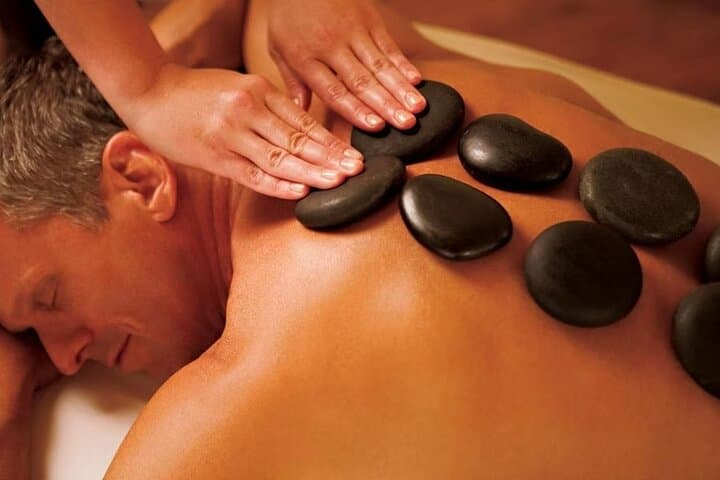
The Turkish hammam is both ritual and practical. Originating from Roman baths and refined through Ottoman social life, the hammam blends cleansing, circulation work, and massage. The heated marble (göbek taşı) warms muscles and loosens skin; a kese mitt exfoliates away dead layers while foam massages knead tension from shoulders and ribs. Aromatic oils finish the sequence, a quiet cultural moment of hospitality that restores both muscle and mind.
Geology and climate matter here: Antalya’s Mediterranean air brings humidity, but inside the hammam the controlled steam uses heated water and stone to produce a deep, even heat that opens pores without the harsh dryness of a sauna. Local tea and water in the lounge close the ritual, offering a moment to rehydrate and re-center.
Practical guidance: allow two hours, arrive hydrated, and avoid heavy meals immediately before treatment. Facilities typically supply a pestemal and lockers, but bring flip-flops and minimal jewelry. If you have circulation issues, recent surgeries, or are pregnant, check with staff before proceeding. Bookings often include hotel transfer and wheelchair access; confirm any pickup details when you reserve.
This is a low-impact cultural experience: quiet, sensory, and methodical — a practical way to learn a living bathing tradition while recharging for more Mediterranean exploration.
easy.
2 hours.
Suitable for most fitness levels; the experience is low-impact but requires the ability to sit and move on wet surfaces
The standard session is about two hours including steam, scrub, foam massage and aromatherapy massage, plus time to relax afterward.
Most facilities provide a pestemal (cotton towel); some travelers prefer a small swimsuit for modesty—confirm with the operator if you have a preference.
People with cardiovascular issues should consult their physician and inform hammam staff; they can adjust heat exposure and massage intensity as needed.
Tipping is common in Turkey for personal services; a small gratuity for attendants or therapists is appreciated but not mandatory.
Hammams evolved from Roman bath culture and became central to Ottoman communal life; the ritual combines hygiene with social and restorative functions.
Water and energy use are significant in steam facilities—choose operators that recycle towels and use efficient boilers, and limit shower time to reduce impact.
KEMER TOURS operates guided outdoor trips and adventures with an emphasis on safety, stewardship, and memorable experiences.
You step off the street into a warm hush: steam rising in gentle columns, the tiled floor sending up a faint mineral coolness beneath your feet. The attendant hands you a pestemal — a thin cotton towel — and gestures toward a low, heated marble slab where steam and light shape the room.
You step off the street into a warm hush: steam rising in gentle columns, the tiled floor sending up a faint mineral coolness beneath your feet. The attendant hands you a pestemal — a thin cotton towel — and gestures toward a low, heated marble slab where steam and light shape the room.
The Turkish hammam is both ritual and practical. Originating from Roman baths and refined through Ottoman social life, the hammam blends cleansing, circulation work, and massage. The heated marble (göbek taşı) warms muscles and loosens skin; a kese mitt exfoliates away dead layers while foam massages knead tension from shoulders and ribs. Aromatic oils finish the sequence, a quiet cultural moment of hospitality that restores both muscle and mind.
Geology and climate matter here: Antalya’s Mediterranean air brings humidity, but inside the hammam the controlled steam uses heated water and stone to produce a deep, even heat that opens pores without the harsh dryness of a sauna. Local tea and water in the lounge close the ritual, offering a moment to rehydrate and re-center.
Practical guidance: allow two hours, arrive hydrated, and avoid heavy meals immediately before treatment. Facilities typically supply a pestemal and lockers, but bring flip-flops and minimal jewelry. If you have circulation issues, recent surgeries, or are pregnant, check with staff before proceeding. Bookings often include hotel transfer and wheelchair access; confirm any pickup details when you reserve.
This is a low-impact cultural experience: quiet, sensory, and methodical — a practical way to learn a living bathing tradition while recharging for more Mediterranean exploration.