THE ADVENTURE COLLECTIVE® · Independent discovery and booking for outdoor travel

Three days of Cusco, the Sacred Valley and Machu Picchu by panoramic train—ancient stonework, terraced valleys and highland markets. Practical tips on altitude, timing and what to pack for a comfortable cultural-ruins tour.
Three days of Cusco, the Sacred Valley and Machu Picchu by panoramic train—ancient stonework, terraced valleys and highland markets. Practical tips on altitude, timing and what to pack for a comfortable cultural-ruins tour.
A dawn mist lifts off the Vilcanota as your train threads a highland gorge toward Aguas Calientes, windows framing terraces and cloud-scraped ridgelines. On day one the rhythm is urban: narrow colonial streets, the carved altars of Cusco Cathedral and Koricancha’s stone lines that still hold the geometry of an empire. The next day the Sacred Valley opens—river bends daring you to look farther—terraced cornfields and markets where textiles hang like everyday flags.
Verified experiences and guided adventures in the surrounding area.
Operated by LIBERTY PERU TRAVEL · Cusco, Cusco
A dawn mist lifts off the Vilcanota as your train threads a highland gorge toward Aguas Calientes, windows framing terraces and cloud-scraped ridgelines. On day one the rhythm is urban: narrow colonial streets, the carved altars of Cusco Cathedral and Koricancha’s stone lines that still hold the geometry of an empire. The next day the Sacred Valley opens—river bends daring you to look farther—terraced cornfields and markets where textiles hang like everyday flags.
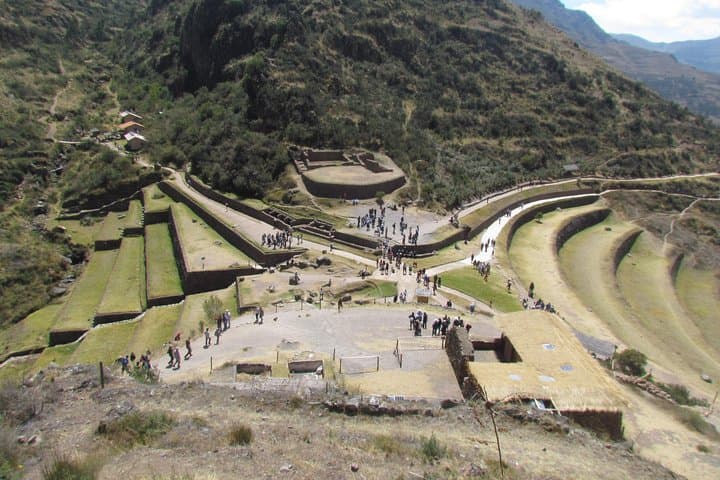
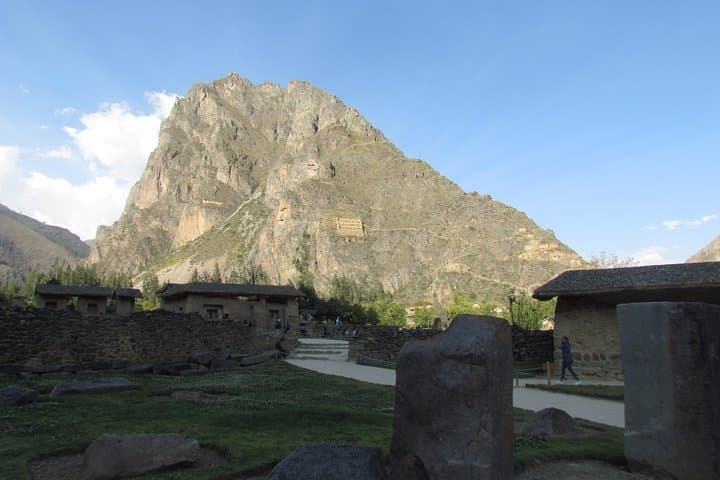
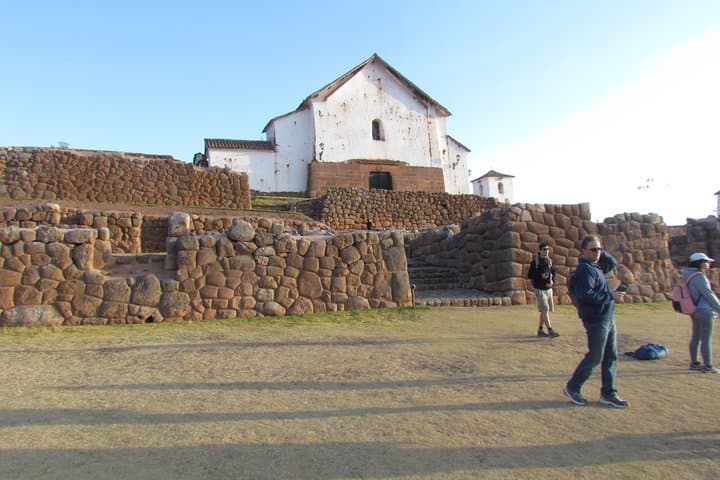
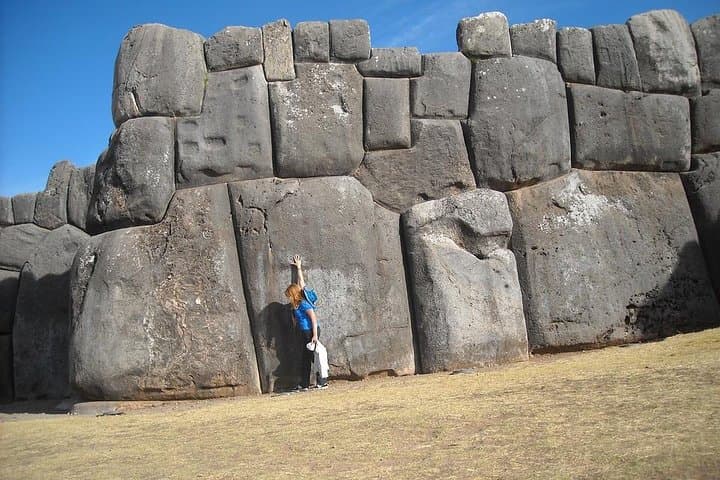
This itinerary stitches together Inca engineering and colonial layering. Sacsayhuamán’s monumental masonry and Qenqo’s ritual carvings speak to highland geology—andesitic outcrops shaped into plazas and channels. Pisac and Ollantaytambo show agricultural terraces and defensive planning tied to the Vilcanota (Urubamba) River’s erosive path. Local culture is present and active: market vendors, textile weavers, and chapels built onto Inca foundations.
Practical guidance: the tour moves at a steady pace with multiple short hikes and stairs—expect moderate walking at altitude (Cusco ~3,400 m). Acclimatize 24–48 hours if possible, hydrate consistently, and plan early starts; the Machu Picchu day begins before sunrise to reach the train. Bring layered clothing for thermal swings, sturdy shoes for uneven stone and steps, and a refillable water bottle. The panoramic train offers scenic views but limited luggage space—pack light and keep essentials in a daypack. Time at archaeological sites is guided and structured; use free moments in Aguas Calientes for a short soak in the thermal pools or a riverside lunch. Respect site rules: follow permitted paths, keep voices low near ceremonial zones, and carry out any trash.
moderate.
3 days (approx.).
Reasonable fitness for walking stairs and short hikes at high altitude; able to stand for guided tours.
Yes. Cusco sits above 3,300 m—arrive at least 24 hours early, avoid alcohol, rest and hydrate to reduce altitude sickness risk.
Some lunches are included on the Sacred Valley day and Machu Picchu day details vary—check inclusions and bring snacks for early train departures.
Guided tours typically last about 2 hours and cover main sectors like the Main Plaza, Intihuatana area and royal rooms.
Most operators and hotels provide luggage storage; trains limit carry-on size so travel light for the Machu Picchu day.
Cusco was the political and spiritual heart of the Inca Empire; Spanish colonizers later built churches atop Inca foundations, creating a layered urban fabric.
visitor numbers at Machu Picchu are managed with timed entries—stick to marked circuits, pack out waste and avoid feeding wildlife to reduce your impact.
LIBERTY PERU TRAVEL operates guided outdoor trips and adventures with an emphasis on safety, stewardship, and memorable experiences.
A dawn mist lifts off the Vilcanota as your train threads a highland gorge toward Aguas Calientes, windows framing terraces and cloud-scraped ridgelines. On day one the rhythm is urban: narrow colonial streets, the carved altars of Cusco Cathedral and Koricancha’s stone lines that still hold the geometry of an empire. The next day the Sacred Valley opens—river bends daring you to look farther—terraced cornfields and markets where textiles hang like everyday flags.
A dawn mist lifts off the Vilcanota as your train threads a highland gorge toward Aguas Calientes, windows framing terraces and cloud-scraped ridgelines. On day one the rhythm is urban: narrow colonial streets, the carved altars of Cusco Cathedral and Koricancha’s stone lines that still hold the geometry of an empire. The next day the Sacred Valley opens—river bends daring you to look farther—terraced cornfields and markets where textiles hang like everyday flags.
This itinerary stitches together Inca engineering and colonial layering. Sacsayhuamán’s monumental masonry and Qenqo’s ritual carvings speak to highland geology—andesitic outcrops shaped into plazas and channels. Pisac and Ollantaytambo show agricultural terraces and defensive planning tied to the Vilcanota (Urubamba) River’s erosive path. Local culture is present and active: market vendors, textile weavers, and chapels built onto Inca foundations.
Practical guidance: the tour moves at a steady pace with multiple short hikes and stairs—expect moderate walking at altitude (Cusco ~3,400 m). Acclimatize 24–48 hours if possible, hydrate consistently, and plan early starts; the Machu Picchu day begins before sunrise to reach the train. Bring layered clothing for thermal swings, sturdy shoes for uneven stone and steps, and a refillable water bottle. The panoramic train offers scenic views but limited luggage space—pack light and keep essentials in a daypack. Time at archaeological sites is guided and structured; use free moments in Aguas Calientes for a short soak in the thermal pools or a riverside lunch. Respect site rules: follow permitted paths, keep voices low near ceremonial zones, and carry out any trash.