THE ADVENTURE COLLECTIVE® · Independent discovery and booking for outdoor travel

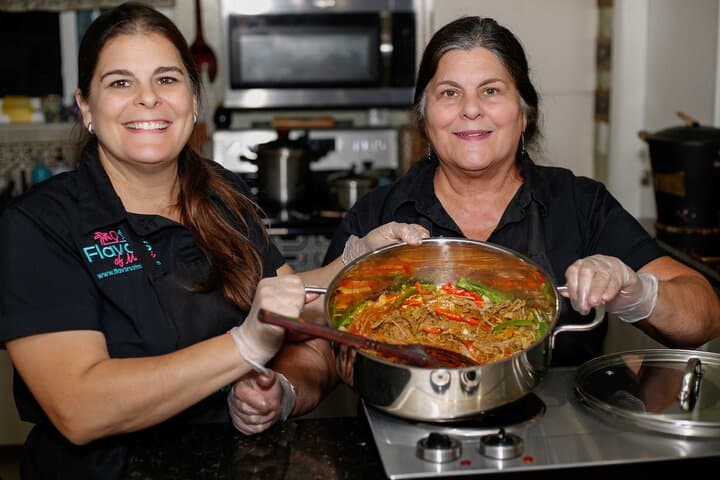
Cook like a local in this hands‑on Cuban class held in a private Miami home. Learn ropa vieja, make mojitos, taste small bites and leave with recipes and techniques to recreate a Cuban feast at home.
Cook like a local in this hands‑on Cuban class held in a private Miami home. Learn ropa vieja, make mojitos, taste small bites and leave with recipes and techniques to recreate a Cuban feast at home.
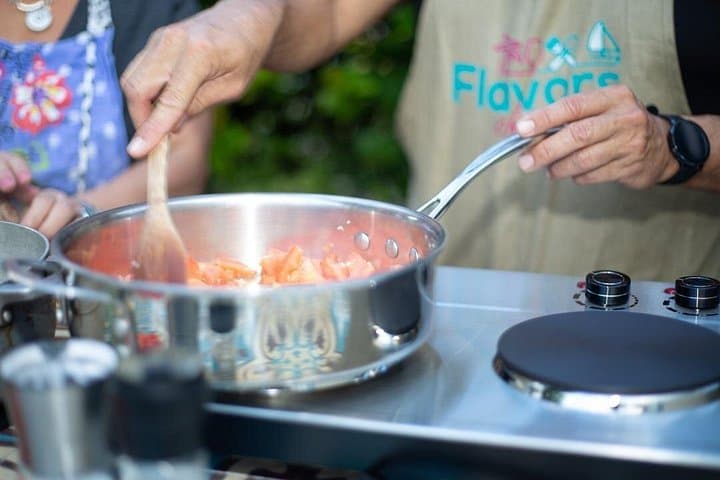
You step through a modest front gate and the kitchen greets you first: citrus, garlic and the snap of a wooden spoon against a pan. The class takes place in an intimate Miami home — sometimes in Little Havana West, sometimes closer to Miami Springs — where the noise of Calle Ocho softens to the hiss of oil and the Atlantic breeze pushes warm air through the patio.
Verified experiences and guided adventures in the surrounding area.
Operated by Flavors of Miami Experiences · Miami, Florida
You step through a modest front gate and the kitchen greets you first: citrus, garlic and the snap of a wooden spoon against a pan. The class takes place in an intimate Miami home — sometimes in Little Havana West, sometimes closer to Miami Springs — where the noise of Calle Ocho softens to the hiss of oil and the Atlantic breeze pushes warm air through the patio.
Cuban cuisine in Miami carries layers of history: Spanish sofrito techniques, African-rooted frying and Caribbean citrus. South Florida’s flat limestone plain and subtropical climate have shaped what’s fresh here — plantains, citrus, and tropical herbs that show up on every plate. Cultural touchstones appear in small things: the cafecito poured strong, the domino players in Maximo Gomez Park, the songs that punctuate a lesson.
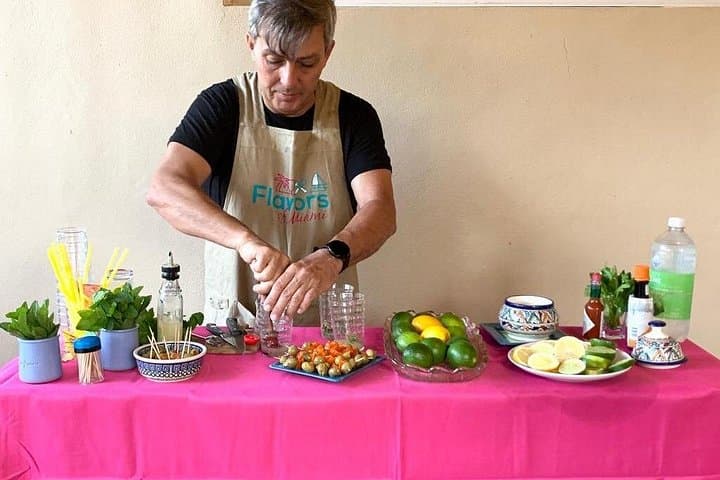
The format is hands-on and practical. Over about 3.5 hours you’ll make an appetizer (tostones or croquetas), a main (classic ropa vieja or a requested alternative), a dessert and a cocktail — mojitos taught step-by-step. Recipes are copied for you to take home; a family-style meal is served from food prepared ahead and during class.
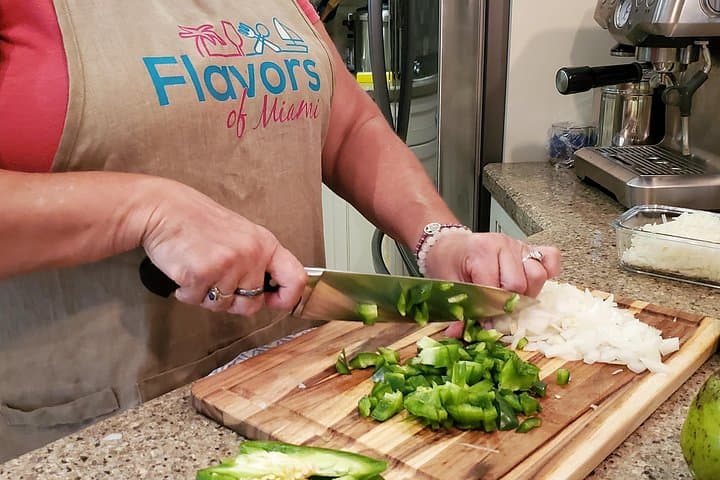
Expect a mix of demonstration and active cooking: knife work, stovetop timing and communal plating. Classes are wheelchair accessible, often near public transit, and capped at small groups for focused instruction. Practical tips: arrive on time for directions, flag dietary needs in advance, wear closed-toe shoes for a kitchen setting, and bring a phone or notebook to capture recipes and techniques. This is a cultural, hands-on culinary session more than a restaurant tour — ideal for food lovers who want to cook what they taste.
easy.
3–4 hours.
Light physical activity; standing and basic kitchen movement for several hours — good for most fitness levels.
Yes — instruction is paced for people with little to no experience; instructors demonstrate techniques and then guide you through each step.
Yes — vegetarian options and most common allergies can be handled if noted at booking; mention strict allergies in the booking questions.
The listing indicates wheelchair accessibility, but confirm specific access details and entry instructions when you book to ensure the private-home layout meets your needs.
Instruction by a chef, a full family-style meal, bottled water, coffee/tea, alcoholic beverages as listed, and printed recipes are included.
Little Havana became a cultural hub after waves of Cuban immigration in the 1960s; its food preserves island techniques adapted to South Florida ingredients.
Choose classes that minimize food waste and support local producers; many small hosts emphasize humane sourcing and use leftovers responsibly.
Flavors of Miami Experiences operates guided outdoor trips and adventures with an emphasis on safety, stewardship, and memorable experiences.
You step through a modest front gate and the kitchen greets you first: citrus, garlic and the snap of a wooden spoon against a pan. The class takes place in an intimate Miami home — sometimes in Little Havana West, sometimes closer to Miami Springs — where the noise of Calle Ocho softens to the hiss of oil and the Atlantic breeze pushes warm air through the patio.
You step through a modest front gate and the kitchen greets you first: citrus, garlic and the snap of a wooden spoon against a pan. The class takes place in an intimate Miami home — sometimes in Little Havana West, sometimes closer to Miami Springs — where the noise of Calle Ocho softens to the hiss of oil and the Atlantic breeze pushes warm air through the patio.
Cuban cuisine in Miami carries layers of history: Spanish sofrito techniques, African-rooted frying and Caribbean citrus. South Florida’s flat limestone plain and subtropical climate have shaped what’s fresh here — plantains, citrus, and tropical herbs that show up on every plate. Cultural touchstones appear in small things: the cafecito poured strong, the domino players in Maximo Gomez Park, the songs that punctuate a lesson.
The format is hands-on and practical. Over about 3.5 hours you’ll make an appetizer (tostones or croquetas), a main (classic ropa vieja or a requested alternative), a dessert and a cocktail — mojitos taught step-by-step. Recipes are copied for you to take home; a family-style meal is served from food prepared ahead and during class.
Expect a mix of demonstration and active cooking: knife work, stovetop timing and communal plating. Classes are wheelchair accessible, often near public transit, and capped at small groups for focused instruction. Practical tips: arrive on time for directions, flag dietary needs in advance, wear closed-toe shoes for a kitchen setting, and bring a phone or notebook to capture recipes and techniques. This is a cultural, hands-on culinary session more than a restaurant tour — ideal for food lovers who want to cook what they taste.