THE ADVENTURE COLLECTIVE® · Independent discovery and booking for outdoor travel

Spend two hours with master artisans on the Maha Oya, learning traditional Sri Lankan joinery and carving techniques. Leave with a handmade, painted wooden keepsake and a deeper sense of village craft and riverside life.
Spend two hours with master artisans on the Maha Oya, learning traditional Sri Lankan joinery and carving techniques. Leave with a handmade, painted wooden keepsake and a deeper sense of village craft and riverside life.
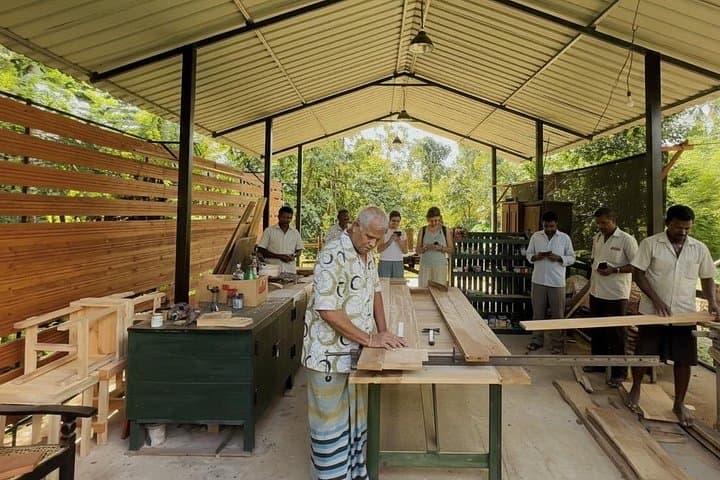
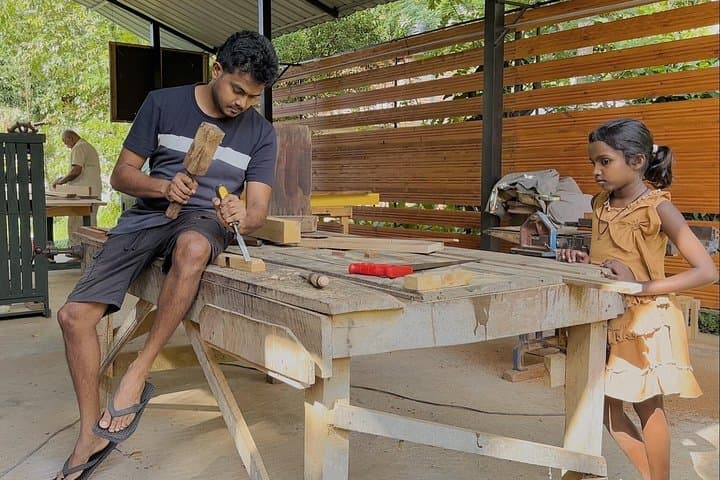
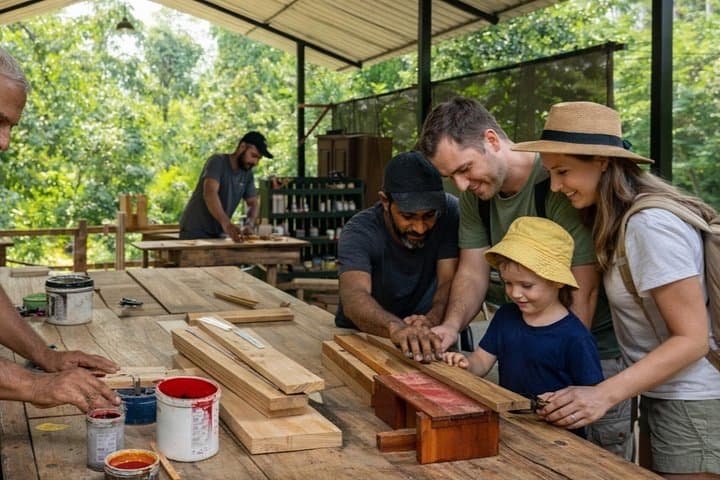
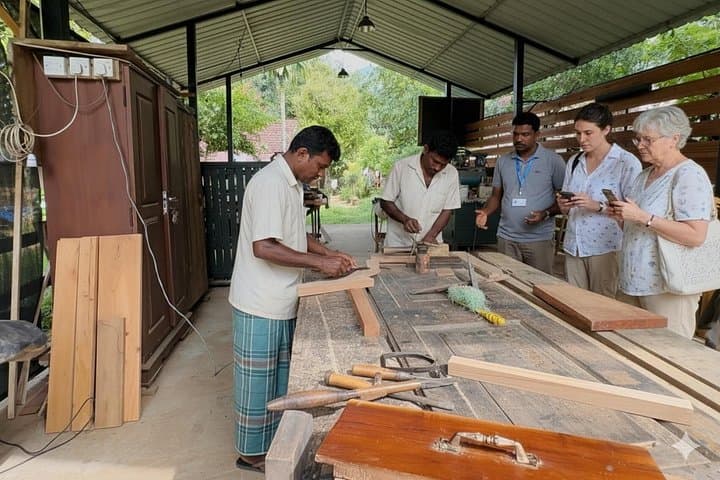
The workshop sits on a river bend where the Maha Oya pushes steady and slow, reed beds whispering while a small group gathers around a long shared bench. You swap a tourist passivity for a plane, chisel and a lesson from a master artisan—hands-on instruction that turns timber into a personal keepsake.
Verified experiences and guided adventures in the surrounding area.
Operated by Woody Land Artisans · Negombo, Western Province
The workshop sits on a river bend where the Maha Oya pushes steady and slow, reed beds whispering while a small group gathers around a long shared bench. You swap a tourist passivity for a plane, chisel and a lesson from a master artisan—hands-on instruction that turns timber into a personal keepsake.
Wood carving in Sri Lanka draws from temple and colonial-era practices: joinery, relief carving and simple inlay techniques have travelled generations from village shrines to household craft. The soils here are alluvial; local hardwoods—carefully selected for grain and stability—reflect a climate that feeds both fruit gardens and joinery shops along the river.
Along the banks, villagers tend herbs and fruit trees used for food and medicine; the riverbank life shapes the craft’s pace. Between carving sessions expect a local snack, quiet photography opportunities of kingfishers and monitor lizards, and a chance to try light riverside fishing.
Practical guide: the two-hour session supplies tools, protective gloves and ear protection; you bring curiosity and steady hands. Plan to wear closed-toe shoes and clothes you don’t mind sanding. Morning sessions are cooler and less buggy; monsoon months bring heavier, abrupt rains so check forecasts. Public transport reaches nearby villages but allow time for pickup or a short taxi from Negombo or Colombo. The final minutes are for finishing and painting—your piece dries enough to travel home.
This experience fits travelers who want tactile connection to place: cultural craft, outdoor air, riverside rhythm, and a tangible reminder to carry home.
easy.
2 hours.
Suitable for most fitness levels; requires standing and light manual dexterity
No—master artisans provide step-by-step guidance suitable for beginners and families with children over age 5.
You leave with a single handcrafted wooden keepsake you design, carve and paint during the session.
Public transport and local taxis service the area; confirm pickup or arrange a taxi in advance if you prefer door-to-door transfer.
Yes—locally sourced timber, professional hand tools, protective gloves and ear protection are provided as part of the workshop.
Wood carving in Sri Lanka blends Buddhist temple carving and colonial joinery; village workshops have passed techniques down through families for generations.
The workshop emphasizes locally sourced, sustainable timber and low-impact practices; guests are encouraged to respect riverside ecosystems and avoid littering.
Woody Land Artisans operates guided outdoor trips and adventures with an emphasis on safety, stewardship, and memorable experiences.
The workshop sits on a river bend where the Maha Oya pushes steady and slow, reed beds whispering while a small group gathers around a long shared bench. You swap a tourist passivity for a plane, chisel and a lesson from a master artisan—hands-on instruction that turns timber into a personal keepsake.
The workshop sits on a river bend where the Maha Oya pushes steady and slow, reed beds whispering while a small group gathers around a long shared bench. You swap a tourist passivity for a plane, chisel and a lesson from a master artisan—hands-on instruction that turns timber into a personal keepsake.
Wood carving in Sri Lanka draws from temple and colonial-era practices: joinery, relief carving and simple inlay techniques have travelled generations from village shrines to household craft. The soils here are alluvial; local hardwoods—carefully selected for grain and stability—reflect a climate that feeds both fruit gardens and joinery shops along the river.
Along the banks, villagers tend herbs and fruit trees used for food and medicine; the riverbank life shapes the craft’s pace. Between carving sessions expect a local snack, quiet photography opportunities of kingfishers and monitor lizards, and a chance to try light riverside fishing.
Practical guide: the two-hour session supplies tools, protective gloves and ear protection; you bring curiosity and steady hands. Plan to wear closed-toe shoes and clothes you don’t mind sanding. Morning sessions are cooler and less buggy; monsoon months bring heavier, abrupt rains so check forecasts. Public transport reaches nearby villages but allow time for pickup or a short taxi from Negombo or Colombo. The final minutes are for finishing and painting—your piece dries enough to travel home.
This experience fits travelers who want tactile connection to place: cultural craft, outdoor air, riverside rhythm, and a tangible reminder to carry home.