THE ADVENTURE COLLECTIVE® · Independent discovery and booking for outdoor travel

Head into Son Tra’s forested ridges with a local guide to watch the endangered red-shanked douc langurs in their native habitat. This 2–3 hour afternoon excursion balances easy trail walking with serious wildlife observation and practical tips for photographers.
Head into Son Tra’s forested ridges with a local guide to watch the endangered red-shanked douc langurs in their native habitat. This 2–3 hour afternoon excursion balances easy trail walking with serious wildlife observation and practical tips for photographers.
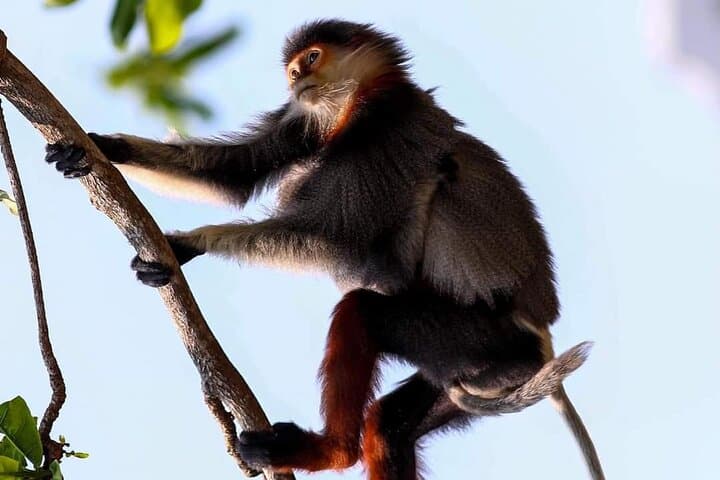
Late afternoon on Son Tra, sunlight slants through tall dipterocarp and casuarina, and the forest seems to lean toward the sound—hoarse calls, a rustle of wings, then a flash of russet and white moving high in the canopy.
Verified experiences and guided adventures in the surrounding area.
Operated by Da Nang Scooter Adventures · Da Nang, Da Nang
Late afternoon on Son Tra, sunlight slants through tall dipterocarp and casuarina, and the forest seems to lean toward the sound—hoarse calls, a rustle of wings, then a flash of russet and white moving high in the canopy.
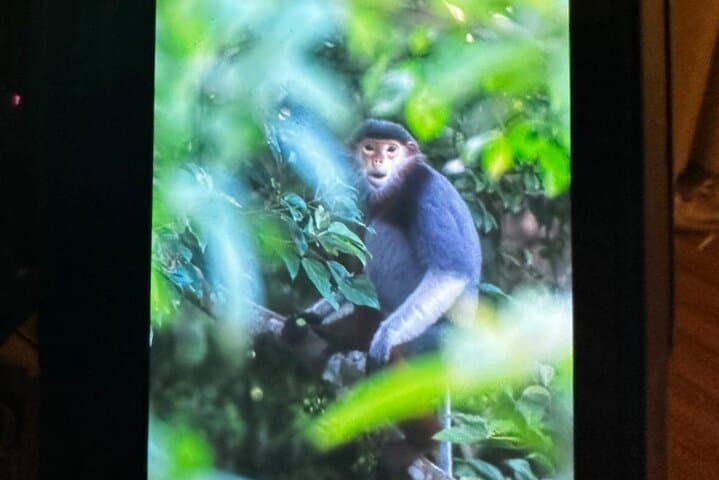
This is Monkey Mountain: volcanic ridges dropping to rocky shorelines, a compact peninsula jutting from Da Nang into the South China Sea. The red-shanked douc langur lives here and nowhere else in Vietnam; scientists and photographers have come for weeks to document the species, and local guides who read trails and primate behavior give visitors their best chance to see them. The peninsula’s geology—granite outcrops, steep ridgelines, and sheltered coves—creates the mosaic of habitats these primates and an array of birds and small mammals use.
Culturally, Son Tra mixes fishing communities and Buddhist landmarks (Linh Ung Pagoda’s giant statue overlooks many of the same ridges), while the area’s wartime and conservation history shaped current protections and access.
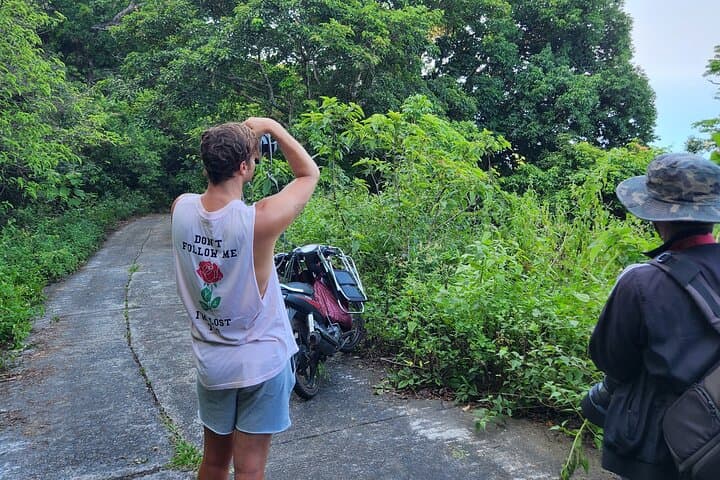
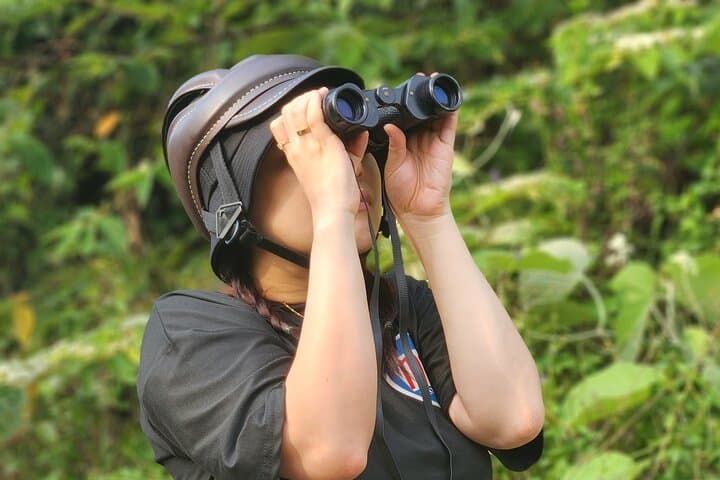
Practical guidance: tours run about 2–3 hours (meeting often 14:30 or 15:00 and may shift with animal activity). Expect easy to moderate walking on uneven forest tracks and occasional steep short sections; binoculars are provided but bringing your own zoom camera helps. Travel light—guides discourage luggage—wear grippy shoes, insect protection, and bring a small daypack and water (bottled water supplied). Respect wildlife: stay quiet, don’t feed or approach, and follow your guide’s instructions. Peak sighting months often include the breeding window (March–July) when infants and larger groups are more visible. Bad weather can cancel trips; small-group sizes mean sightings aren’t guaranteed but are often rewarding.
easy.
2–3 hours.
Suitable for most fitness levels—expect short stretches of uneven or inclined terrain and standing while observing.
Meeting time commonly is 14:30 or 15:00 and may shift by season or animal activity—your operator will confirm before the trip.
Tours are not recommended for children under 4; operators often set weight or health limits—check booking requirements.
Guided, small-group searches in the species’ core habitat give a good chance, especially during the breeding season (March–July), but wildlife sightings can’t be guaranteed.
The excursion is short (about 2–3 hours) with easy to moderate walking on uneven forest trails and occasional steep sections; no technical climbing is required.
Son Tra Peninsula has wartime significance and has been managed as a nature reserve to protect its unique biodiversity, including the endemic red-shanked douc.
The red-shanked douc is endangered; low-impact viewing, staying on trails, and supporting licensed local guides helps reduce disturbance and fund conservation efforts.
Da Nang Scooter Adventures operates guided outdoor trips and adventures with an emphasis on safety, stewardship, and memorable experiences.
Late afternoon on Son Tra, sunlight slants through tall dipterocarp and casuarina, and the forest seems to lean toward the sound—hoarse calls, a rustle of wings, then a flash of russet and white moving high in the canopy.
Late afternoon on Son Tra, sunlight slants through tall dipterocarp and casuarina, and the forest seems to lean toward the sound—hoarse calls, a rustle of wings, then a flash of russet and white moving high in the canopy.
This is Monkey Mountain: volcanic ridges dropping to rocky shorelines, a compact peninsula jutting from Da Nang into the South China Sea. The red-shanked douc langur lives here and nowhere else in Vietnam; scientists and photographers have come for weeks to document the species, and local guides who read trails and primate behavior give visitors their best chance to see them. The peninsula’s geology—granite outcrops, steep ridgelines, and sheltered coves—creates the mosaic of habitats these primates and an array of birds and small mammals use.
Culturally, Son Tra mixes fishing communities and Buddhist landmarks (Linh Ung Pagoda’s giant statue overlooks many of the same ridges), while the area’s wartime and conservation history shaped current protections and access.
Practical guidance: tours run about 2–3 hours (meeting often 14:30 or 15:00 and may shift with animal activity). Expect easy to moderate walking on uneven forest tracks and occasional steep short sections; binoculars are provided but bringing your own zoom camera helps. Travel light—guides discourage luggage—wear grippy shoes, insect protection, and bring a small daypack and water (bottled water supplied). Respect wildlife: stay quiet, don’t feed or approach, and follow your guide’s instructions. Peak sighting months often include the breeding window (March–July) when infants and larger groups are more visible. Bad weather can cancel trips; small-group sizes mean sightings aren’t guaranteed but are often rewarding.