THE ADVENTURE COLLECTIVE® · Independent discovery and booking for outdoor travel

Move through the landscape that witnessed Yugoslavia’s rise and fall on a 2.5-hour guided tour from Mostar. Visit four carefully chosen sites that trace Cold War fears, Tito’s domestic experiment, the 1980s golden age, and the wars that followed.
Move through the landscape that witnessed Yugoslavia’s rise and fall on a 2.5-hour guided tour from Mostar. Visit four carefully chosen sites that trace Cold War fears, Tito’s domestic experiment, the 1980s golden age, and the wars that followed.
A low sun lights the stone arches of Mostar as the van pulls away from the old bridge. The river Neretva, narrow and stubborn, seems to carry the city’s memory downstream—bright water that refuses to forget. On this 150-minute guided drive-and-walk, travelers move between four deliberate sites: secret Cold War lookouts, relics of Tito-era industry and youth campaigns, stark reminders of the 1990s conflict, and the present-day civic landscape that grew from those ashes.
Verified experiences and guided adventures in the surrounding area.
Operated by iHouse Travel · Mostar, Herzegovina-Neretva Canton
A low sun lights the stone arches of Mostar as the van pulls away from the old bridge. The river Neretva, narrow and stubborn, seems to carry the city’s memory downstream—bright water that refuses to forget. On this 150-minute guided drive-and-walk, travelers move between four deliberate sites: secret Cold War lookouts, relics of Tito-era industry and youth campaigns, stark reminders of the 1990s conflict, and the present-day civic landscape that grew from those ashes.
The narrative stitches together mid-20th-century geopolitics and local life: Yugoslavia’s unique position between NATO and the Warsaw Pact, Tito’s Non-Aligned stance, the optimism of the 1984 Sarajevo Olympics, and the economic and national tensions that unraveled the federation. Geology intrudes at the edges—the limestone karst and the Neretva gorge shaped defensive lines and trade routes that influenced settlement patterns. Ottoman bazaars, Austro-Hungarian façades and socialist housing all sit within earshot of each other, offering a compact civic textbook of the Balkans.
Practicalities are straightforward: most of the tour is roadside and uses a small vehicle with short on-foot segments at each stop; footpaths can be uneven and exposed. Expect emotionally intense stops—bring water, wear supportive shoes, and plan for sun or sudden wind in the valley. Guides contextualize artifacts and ruins with local testimony, not just dates; they ask for respectful observation where memory is still raw. For travelers seeking a pointed, historically focused field lesson in modern Europe, this tour offers concentrated storytelling delivered across the landscape that shaped it.
easy.
2–3 hours.
Suitable for most fitness levels—mostly short walks and vehicle transfers; be able to walk on uneven surfaces for ~10–20 minutes at a time.
No—the operator keeps the precise sites confidential to preserve the narrative and surprise; you’ll receive practical meeting details after booking.
Yes, but children must be accompanied by an adult and content about wartime events may be sensitive for younger ages.
Many bookings include pickup from central Mostar hotels or a nearby meeting point; confirm at booking for exact pickup options and timing.
Accessibility varies—vehicle stops are roadside but on-foot sections often include uneven surfaces and steps; contact the operator to discuss specific needs.
Yugoslavia was a federation formed after World War II under Josip Broz Tito’s leadership; its non-aligned foreign policy and internal economic model shaped the region until the early 1990s collapse and subsequent wars.
Many sites are fragile war relics or private property—respect closures, avoid removing artifacts, and support local guides who steward memory and sustainable visitation.
iHouse Travel operates guided outdoor trips and adventures with an emphasis on safety, stewardship, and memorable experiences.
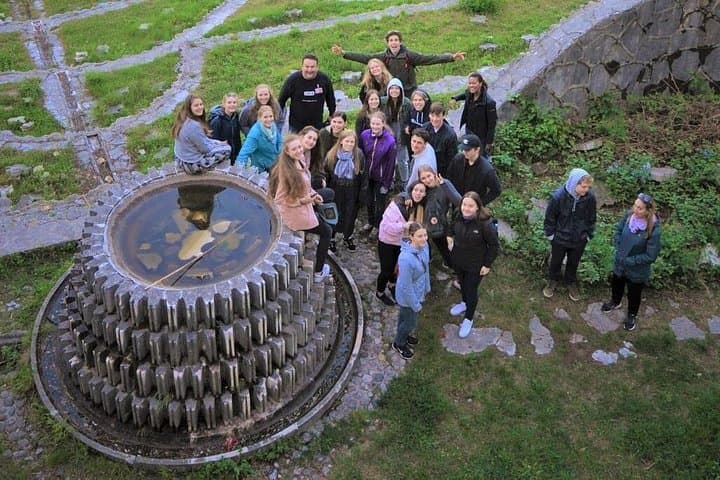
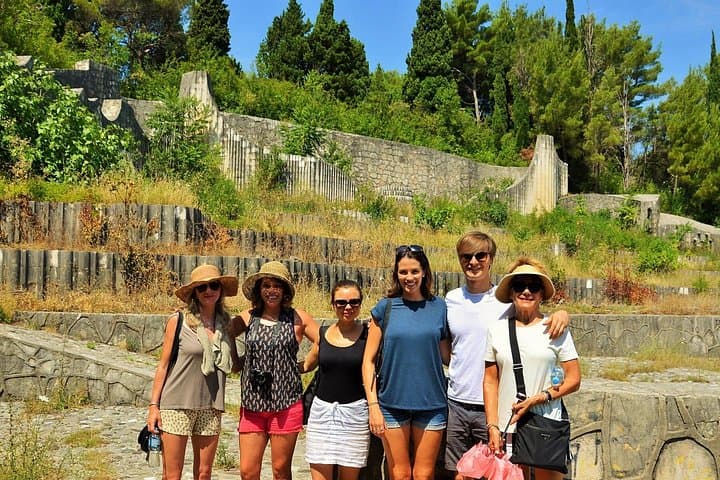
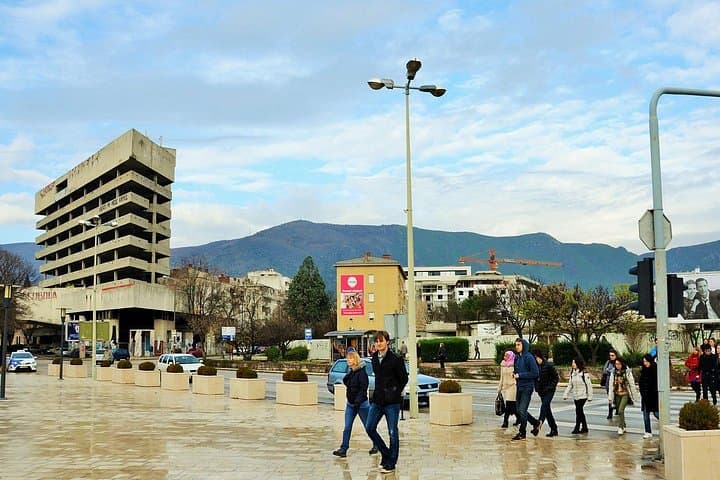
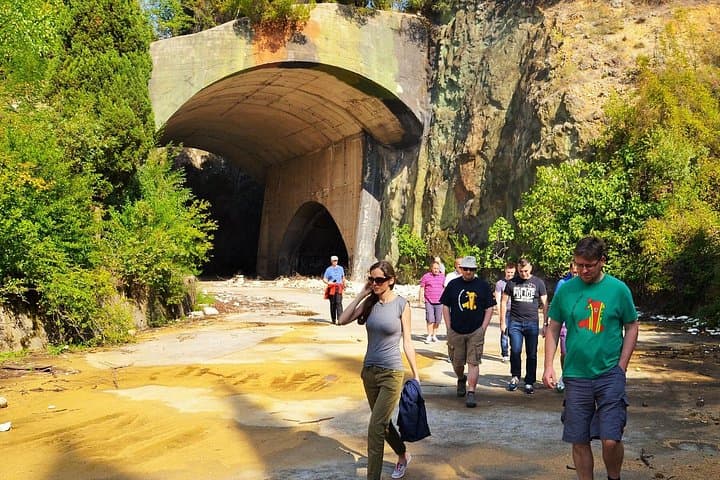
A low sun lights the stone arches of Mostar as the van pulls away from the old bridge. The river Neretva, narrow and stubborn, seems to carry the city’s memory downstream—bright water that refuses to forget. On this 150-minute guided drive-and-walk, travelers move between four deliberate sites: secret Cold War lookouts, relics of Tito-era industry and youth campaigns, stark reminders of the 1990s conflict, and the present-day civic landscape that grew from those ashes.
A low sun lights the stone arches of Mostar as the van pulls away from the old bridge. The river Neretva, narrow and stubborn, seems to carry the city’s memory downstream—bright water that refuses to forget. On this 150-minute guided drive-and-walk, travelers move between four deliberate sites: secret Cold War lookouts, relics of Tito-era industry and youth campaigns, stark reminders of the 1990s conflict, and the present-day civic landscape that grew from those ashes.
The narrative stitches together mid-20th-century geopolitics and local life: Yugoslavia’s unique position between NATO and the Warsaw Pact, Tito’s Non-Aligned stance, the optimism of the 1984 Sarajevo Olympics, and the economic and national tensions that unraveled the federation. Geology intrudes at the edges—the limestone karst and the Neretva gorge shaped defensive lines and trade routes that influenced settlement patterns. Ottoman bazaars, Austro-Hungarian façades and socialist housing all sit within earshot of each other, offering a compact civic textbook of the Balkans.
Practicalities are straightforward: most of the tour is roadside and uses a small vehicle with short on-foot segments at each stop; footpaths can be uneven and exposed. Expect emotionally intense stops—bring water, wear supportive shoes, and plan for sun or sudden wind in the valley. Guides contextualize artifacts and ruins with local testimony, not just dates; they ask for respectful observation where memory is still raw. For travelers seeking a pointed, historically focused field lesson in modern Europe, this tour offers concentrated storytelling delivered across the landscape that shaped it.