THE ADVENTURE COLLECTIVE® · Independent discovery and booking for outdoor travel

Walk the last paths of the enslaved on a 10–12 hour guided day tour from Anomabo to Cape Coast Castle. This guided route pairs historical interpretation with tangible sites — ancestral lakes, auction grounds, and the UNESCO World Heritage castle itself.
Walk the last paths of the enslaved on a 10–12 hour guided day tour from Anomabo to Cape Coast Castle. This guided route pairs historical interpretation with tangible sites — ancestral lakes, auction grounds, and the UNESCO World Heritage castle itself.
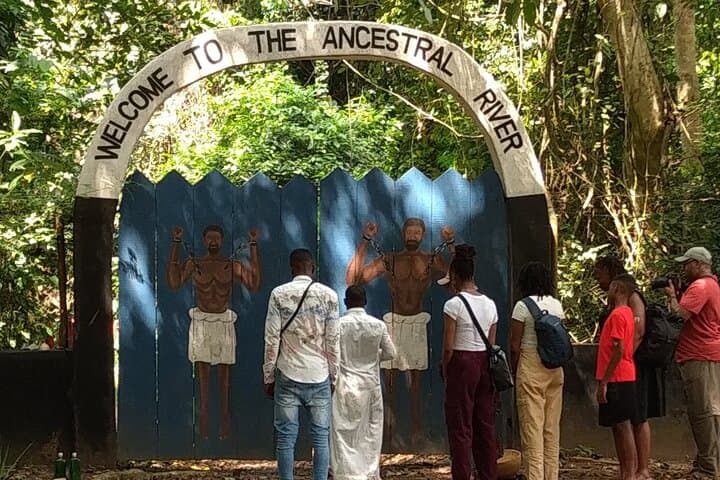
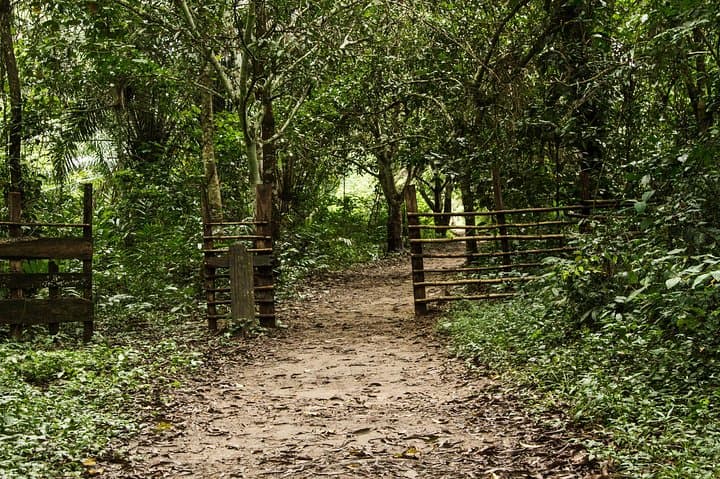
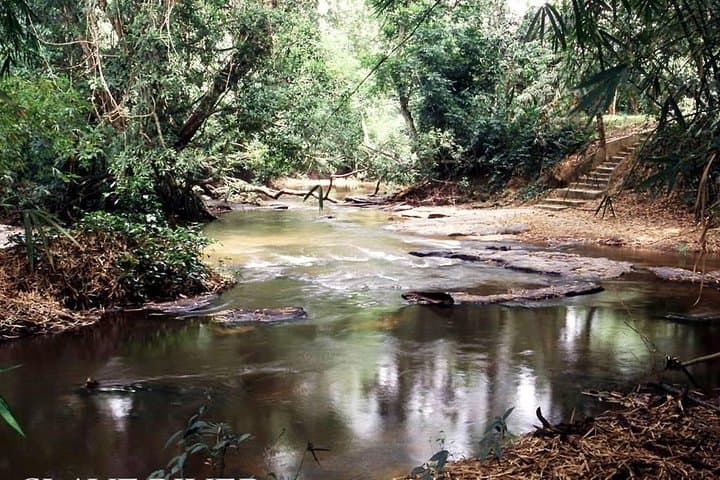
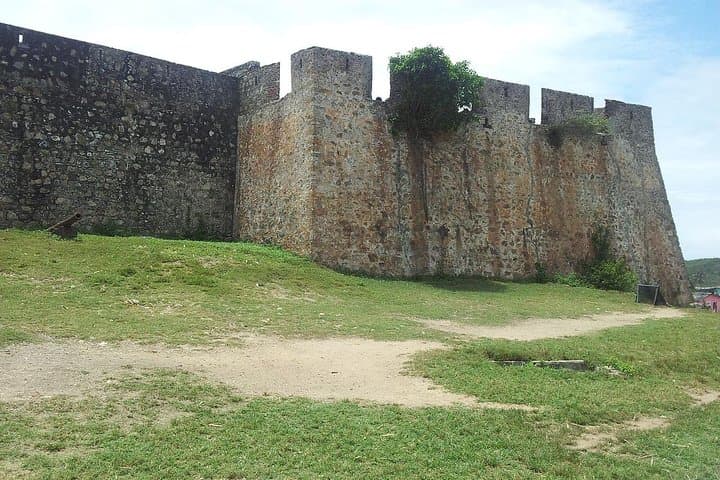
You step off an air-conditioned vehicle into a coastal wind that seems to remember every footfall. The road from Accra threads low coastal plains and red laterite banks until the shore opens: Anomabo’s faded fort walls, the ancestral lake at Assin Manso, and finally the great stone face of Cape Coast Castle.
Verified experiences and guided adventures in the surrounding area.
Operated by Classic Holidays · Cape Coast, Central Region
You step off an air-conditioned vehicle into a coastal wind that seems to remember every footfall. The road from Accra threads low coastal plains and red laterite banks until the shore opens: Anomabo’s faded fort walls, the ancestral lake at Assin Manso, and finally the great stone face of Cape Coast Castle.
This full-day pilgrimage follows key nodes of the Trans‑Atlantic slave routes — marketplaces where captives were sold, river paths where they walked, and castle dungeons where the ocean became a horizon of loss. Geologically, the route sits on Ghana’s coastal belt: sandy spits and laterite escarpments that directed trade and settlement patterns for centuries. Culturally, you’ll encounter Fante and Akan place names, local rituals at Assin Manso, and guides who translate memory into measured history.
Expect a mix of easy walking and stair-climbing across uneven, sometimes slippery stone; the castle includes dungeons, galleries, and a rampart that rewards the climb. The ancestral lake invites a quiet, reflective moment — visitors traditionally dip feet as a symbolic final bath. Guides typically offer context-rich narration, and practical comforts (coffee, bottled water, onboard Wi‑Fi) are often included.
Practical tips: plan for a 10–12 hour day, wear sturdy shoes and sun protection, and bring a charged phone and small cash for donations or local crafts. Move respectfully: these are memorial places first. The route is immersive and deliberate; it asks you to listen, to reckon, and to leave with clearer questions than answers.
moderate.
10–12 hours.
Moderate fitness: able to walk 4–6 miles over mixed terrain and climb stairs repeatedly.
The tour runs approximately 10–12 hours, visiting Anomabo, Assin Manso, and Cape Coast Castle with guided stops at each site.
Yes—this itinerary lists the castle tour as included; confirm with your booking before departure.
Children can attend, but the experience involves stairs, uneven surfaces, and long walks; travelers with limited mobility may find parts inaccessible.
The operator provides an air‑conditioned vehicle, onboard Wi‑Fi, bottled water, and coffee/tea during the journey.
These sites were central nodes in the Trans‑Atlantic slave trade between the 17th and 19th centuries; Cape Coast Castle is a UNESCO World Heritage site and one of the largest former slave-holding forts in West Africa.
Conservation focuses on preserving structures and promoting respectful visitation; visitors are asked not to remove artifacts and to support local guides and site fees that fund upkeep.
Classic Holidays operates guided outdoor trips and adventures with an emphasis on safety, stewardship, and memorable experiences.
You step off an air-conditioned vehicle into a coastal wind that seems to remember every footfall. The road from Accra threads low coastal plains and red laterite banks until the shore opens: Anomabo’s faded fort walls, the ancestral lake at Assin Manso, and finally the great stone face of Cape Coast Castle.
You step off an air-conditioned vehicle into a coastal wind that seems to remember every footfall. The road from Accra threads low coastal plains and red laterite banks until the shore opens: Anomabo’s faded fort walls, the ancestral lake at Assin Manso, and finally the great stone face of Cape Coast Castle.
This full-day pilgrimage follows key nodes of the Trans‑Atlantic slave routes — marketplaces where captives were sold, river paths where they walked, and castle dungeons where the ocean became a horizon of loss. Geologically, the route sits on Ghana’s coastal belt: sandy spits and laterite escarpments that directed trade and settlement patterns for centuries. Culturally, you’ll encounter Fante and Akan place names, local rituals at Assin Manso, and guides who translate memory into measured history.
Expect a mix of easy walking and stair-climbing across uneven, sometimes slippery stone; the castle includes dungeons, galleries, and a rampart that rewards the climb. The ancestral lake invites a quiet, reflective moment — visitors traditionally dip feet as a symbolic final bath. Guides typically offer context-rich narration, and practical comforts (coffee, bottled water, onboard Wi‑Fi) are often included.
Practical tips: plan for a 10–12 hour day, wear sturdy shoes and sun protection, and bring a charged phone and small cash for donations or local crafts. Move respectfully: these are memorial places first. The route is immersive and deliberate; it asks you to listen, to reckon, and to leave with clearer questions than answers.