THE ADVENTURE COLLECTIVE® · Independent discovery and booking for outdoor travel

Walk the streets where laws and livelihoods intersected. This private two-hour tour unpacks how slavery shaped colonial Williamsburg—through buildings, courts, and a merchant house that reveal daily realities and legal machinery.
Walk the streets where laws and livelihoods intersected. This private two-hour tour unpacks how slavery shaped colonial Williamsburg—through buildings, courts, and a merchant house that reveal daily realities and legal machinery.
The tour begins on the cool brick walkways outside the Colonial Williamsburg Visitor Center, where a guide waits with a measured voice and a map of places that once shaped lives and laws. You move through restored streets—the sound of footfalls replacing the hush of long-closed parlors—while buildings and markers prompt questions about who built them and who was denied a voice.
Verified experiences and guided adventures in the surrounding area.
Operated by Opatrip.com USA · Williamsburg, Virginia
The tour begins on the cool brick walkways outside the Colonial Williamsburg Visitor Center, where a guide waits with a measured voice and a map of places that once shaped lives and laws. You move through restored streets—the sound of footfalls replacing the hush of long-closed parlors—while buildings and markers prompt questions about who built them and who was denied a voice.
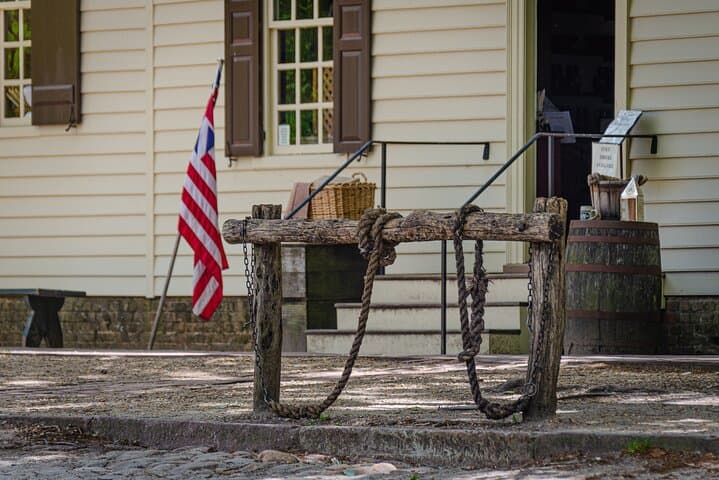
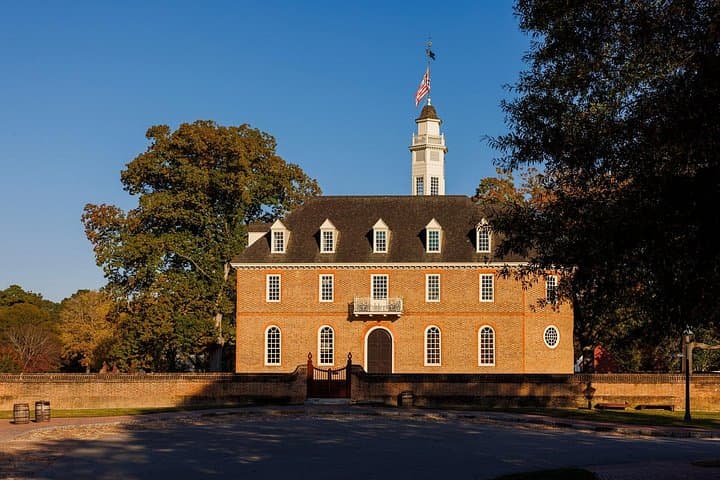
Williamsburg served as Virginia’s capital in the 18th century. Its role in colonial governance, commerce, and law made it central to the development of slavery in British North America. The tour moves from the living history of the historic district to the courthouse and Capitol, where statutes and trials reflected and enforced the institution. Ending at the James Geddy House, visitors get a view of domestic life and the overlapping economies—artisanship, household labor, and forced labor—that sustained colonial households.
The landscape here is Tidewater Virginia: flat coastal plain, brick and timber architecture, and proximity to the James River that carried goods and people. Cultural memory lives in the town’s interpretation programs and in the descendants and communities who continue to shape Williamsburg’s story.
Practically: this private, two-hour walking tour is paced for small groups and is accessible for most mobility levels. Plan for 1–2 miles of walking on uneven brick and packed-earth surfaces; wear supportive shoes, bring water, and allow space for reflective conversation. Photography is permitted but be mindful at sensitive sites. Morning slots offer cooler temperatures and quieter streets; book early to secure a private guide and to tailor emphasis—legal history, daily life, or genealogical context.
easy.
2 hours.
Suitable for most fitness levels; requires comfortable walking for up to 2 miles on flat but uneven surfaces.
No—this private walking tour interprets outdoor and publicly viewable sites; museum admissions are not included unless explicitly arranged.
Tours are private and tailored to your group; confirm maximum group size and booking policies with the operator when reserving.
Yes; the content is suitable for older children and teens, though some topics are serious—consider the age and readiness of younger children.
Much of the route is on relatively level surfaces, but brick streets and historic thresholds can be uneven—check ahead to discuss accessibility accommodations.
As capital of colonial Virginia, Williamsburg hosted legislative sessions and courts where laws regarding slavery were debated and enforced, making it a focal point for understanding legal structures of the era.
Preservation of the historic district balances public access with conservation of fragile buildings; visitors are encouraged to follow paths and guidance to minimize wear on historic fabric.
Opatrip.com USA operates guided outdoor trips and adventures with an emphasis on safety, stewardship, and memorable experiences.


The tour begins on the cool brick walkways outside the Colonial Williamsburg Visitor Center, where a guide waits with a measured voice and a map of places that once shaped lives and laws. You move through restored streets—the sound of footfalls replacing the hush of long-closed parlors—while buildings and markers prompt questions about who built them and who was denied a voice.
The tour begins on the cool brick walkways outside the Colonial Williamsburg Visitor Center, where a guide waits with a measured voice and a map of places that once shaped lives and laws. You move through restored streets—the sound of footfalls replacing the hush of long-closed parlors—while buildings and markers prompt questions about who built them and who was denied a voice.
Williamsburg served as Virginia’s capital in the 18th century. Its role in colonial governance, commerce, and law made it central to the development of slavery in British North America. The tour moves from the living history of the historic district to the courthouse and Capitol, where statutes and trials reflected and enforced the institution. Ending at the James Geddy House, visitors get a view of domestic life and the overlapping economies—artisanship, household labor, and forced labor—that sustained colonial households.
The landscape here is Tidewater Virginia: flat coastal plain, brick and timber architecture, and proximity to the James River that carried goods and people. Cultural memory lives in the town’s interpretation programs and in the descendants and communities who continue to shape Williamsburg’s story.
Practically: this private, two-hour walking tour is paced for small groups and is accessible for most mobility levels. Plan for 1–2 miles of walking on uneven brick and packed-earth surfaces; wear supportive shoes, bring water, and allow space for reflective conversation. Photography is permitted but be mindful at sensitive sites. Morning slots offer cooler temperatures and quieter streets; book early to secure a private guide and to tailor emphasis—legal history, daily life, or genealogical context.