THE ADVENTURE COLLECTIVE® · Independent discovery and booking for outdoor travel

Explore Boston’s Beacon Hill on foot to uncover the powerful stories of the Underground Railroad and abolitionist movement. This 2.5-hour guided walking tour reveals historic homes, landmarks, and safe houses central to the fight against slavery.
Explore Boston’s Beacon Hill on foot to uncover the powerful stories of the Underground Railroad and abolitionist movement. This 2.5-hour guided walking tour reveals historic homes, landmarks, and safe houses central to the fight against slavery.
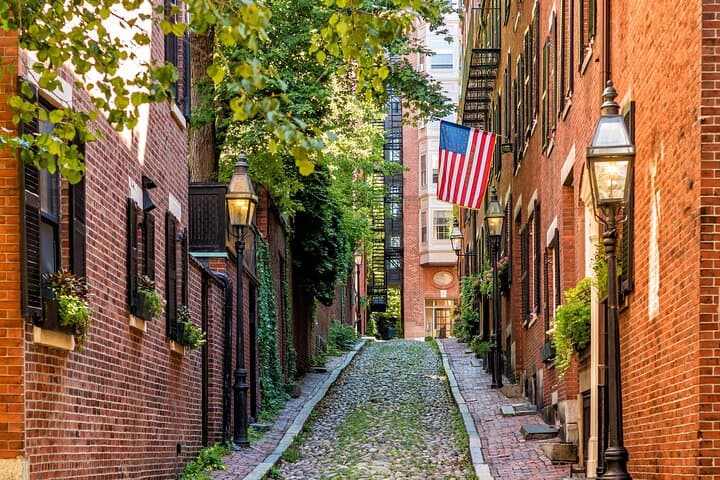
Amid the cobblestone streets and brick townhouses of Boston’s Beacon Hill, history whispers from every corner. This 2.5-hour walking tour threads through one of the city’s most storied neighborhoods, illuminating the urgent struggle against slavery that once reverberated through these alleys and squares. Starting at the Soldiers and Sailors Monument in Boston Common, the path snakes past landmarks intimately tied to abolitionist efforts and the Underground Railroad, threading narratives from 1833 to 1863 — a pivotal era in America’s battle to abolish legalized enslavement.
Verified experiences and guided adventures in the surrounding area.
Operated by Hub Town Tours · Boston, MA
Amid the cobblestone streets and brick townhouses of Boston’s Beacon Hill, history whispers from every corner. This 2.5-hour walking tour threads through one of the city’s most storied neighborhoods, illuminating the urgent struggle against slavery that once reverberated through these alleys and squares. Starting at the Soldiers and Sailors Monument in Boston Common, the path snakes past landmarks intimately tied to abolitionist efforts and the Underground Railroad, threading narratives from 1833 to 1863 — a pivotal era in America’s battle to abolish legalized enslavement.
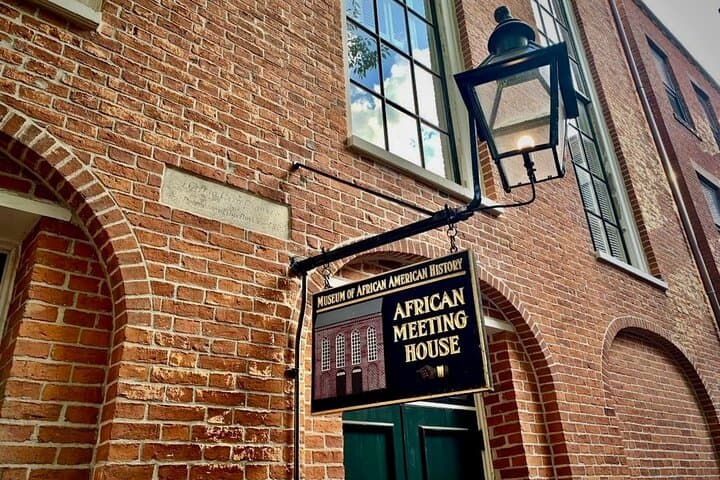
Beacon Hill itself is a study in contrasts. On one side, grand homes of "Boston Brahmins"—the city’s elite—stand as symbols of 19th-century power; on the other, African American meeting houses and safe houses echo the resilience and resourcefulness of a community fighting for freedom. The African Meeting House, built in 1806, remains the oldest standing black church in the nation—its walls having contained fiery debates on integration and abolition. Behind these facades are stories of former enslaved people who risked everything to shelter others, like the Hayden family’s Underground Railroad safe house.
The tour offers a clear window into how Boston shaped and was shaped by the moral urgency of its time. The route reveals churches, schools, and neighborhood squares that served as both battlegrounds and beacons during a nation on the brink of civil war. This is a walk where the city’s physical geography—steep rises, narrow alleys, graceful squares—becomes part of its historical narrative, demanding careful footing and sharp attention.
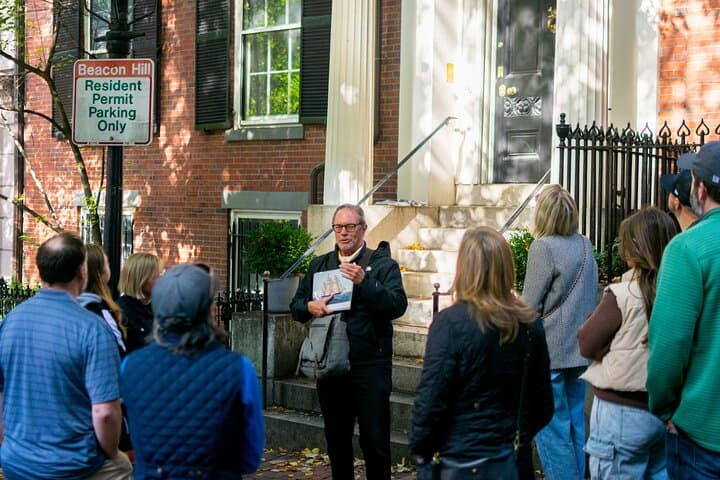
Practical travelers should prepare for standing and walking on uneven cobblestones for 2.5 hours. Wear sturdy footwear and dress in layers depending on the season; Boston’s coastal weather can change briskly. Public transportation options abound near the start point, making arrival straightforward, but be mindful that the tour is not suitable for travelers with spinal issues or significant mobility limitations. Small groups of up to 16 ensure an intimate experience, giving ample opportunity for questions and reflection.
Morning or midday tours offer the best daylight to see details in architecture and soak in the atmosphere of Beacon Hill’s historic streets. Bringing a camera is worthwhile—many photo opportunities exist from historic squares to the granite monument at Boston Common. Keep hydrated and pace yourself through the mildly hilly terrain, which asks for a moderate fitness level to stay engaged and comfortable.
Tracing the footprints of abolitionists who dared to speak out reveals not just a chapter of Boston’s past but a thread woven through the American story—one still relevant today. The Underground Railroad History Tour offers more than sightseeing; it’s a grounded exploration of courage, community, and change in an iconic urban setting.
moderate.
2.5 hours.
Participants should be in moderate physical shape, able to stand and walk 2.5 hours over uneven urban terrain.
While the tour is historically rich, it involves 2.5 hours of moderate walking and standing, which may be challenging for very young children.
Yes, guides are local experts with detailed knowledge of Boston’s abolitionist history and the Underground Railroad.
The tour involves walking on uneven cobblestone and is not recommended for those with significant mobility limitations.
Yes, photography is encouraged at various historic sites and streets along the route.
Full refunds are available for cancellations made at least 24 hours before the departure time; weather or low enrollment may also cause cancellations.
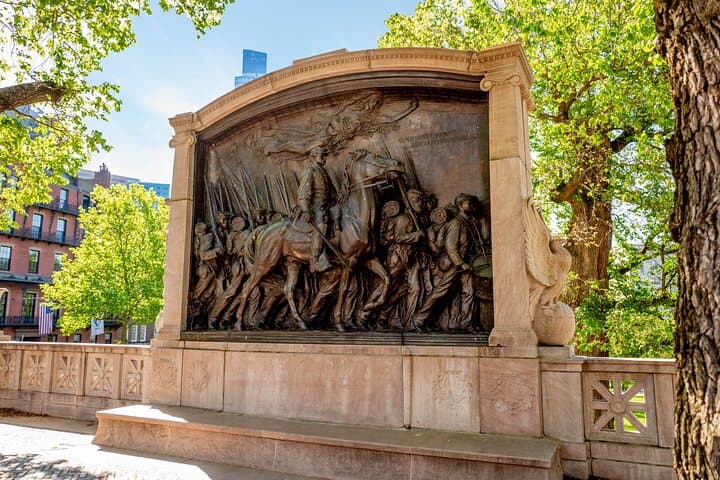
It starts at the Soldiers and Sailors Monument in Boston Common and concludes near the Robert Gould Shaw and 54th Regiment Memorial, close to the Massachusetts State House.
Beacon Hill was central to Boston’s 19th-century abolitionist activity and houses the oldest standing African-American church in the U.S.
The neighborhood preserves its historic architecture and promotes sustainable tourism to protect its cultural legacy and urban environment.
Hub Town Tours operates guided outdoor trips and adventures with an emphasis on safety, stewardship, and memorable experiences.
Amid the cobblestone streets and brick townhouses of Boston’s Beacon Hill, history whispers from every corner. This 2.5-hour walking tour threads through one of the city’s most storied neighborhoods, illuminating the urgent struggle against slavery that once reverberated through these alleys and squares. Starting at the Soldiers and Sailors Monument in Boston Common, the path snakes past landmarks intimately tied to abolitionist efforts and the Underground Railroad, threading narratives from 1833 to 1863 — a pivotal era in America’s battle to abolish legalized enslavement.
Amid the cobblestone streets and brick townhouses of Boston’s Beacon Hill, history whispers from every corner. This 2.5-hour walking tour threads through one of the city’s most storied neighborhoods, illuminating the urgent struggle against slavery that once reverberated through these alleys and squares. Starting at the Soldiers and Sailors Monument in Boston Common, the path snakes past landmarks intimately tied to abolitionist efforts and the Underground Railroad, threading narratives from 1833 to 1863 — a pivotal era in America’s battle to abolish legalized enslavement.
Beacon Hill itself is a study in contrasts. On one side, grand homes of "Boston Brahmins"—the city’s elite—stand as symbols of 19th-century power; on the other, African American meeting houses and safe houses echo the resilience and resourcefulness of a community fighting for freedom. The African Meeting House, built in 1806, remains the oldest standing black church in the nation—its walls having contained fiery debates on integration and abolition. Behind these facades are stories of former enslaved people who risked everything to shelter others, like the Hayden family’s Underground Railroad safe house.
The tour offers a clear window into how Boston shaped and was shaped by the moral urgency of its time. The route reveals churches, schools, and neighborhood squares that served as both battlegrounds and beacons during a nation on the brink of civil war. This is a walk where the city’s physical geography—steep rises, narrow alleys, graceful squares—becomes part of its historical narrative, demanding careful footing and sharp attention.
Practical travelers should prepare for standing and walking on uneven cobblestones for 2.5 hours. Wear sturdy footwear and dress in layers depending on the season; Boston’s coastal weather can change briskly. Public transportation options abound near the start point, making arrival straightforward, but be mindful that the tour is not suitable for travelers with spinal issues or significant mobility limitations. Small groups of up to 16 ensure an intimate experience, giving ample opportunity for questions and reflection.
Morning or midday tours offer the best daylight to see details in architecture and soak in the atmosphere of Beacon Hill’s historic streets. Bringing a camera is worthwhile—many photo opportunities exist from historic squares to the granite monument at Boston Common. Keep hydrated and pace yourself through the mildly hilly terrain, which asks for a moderate fitness level to stay engaged and comfortable.
Tracing the footprints of abolitionists who dared to speak out reveals not just a chapter of Boston’s past but a thread woven through the American story—one still relevant today. The Underground Railroad History Tour offers more than sightseeing; it’s a grounded exploration of courage, community, and change in an iconic urban setting.