THE ADVENTURE COLLECTIVE® · Independent discovery and booking for outdoor travel

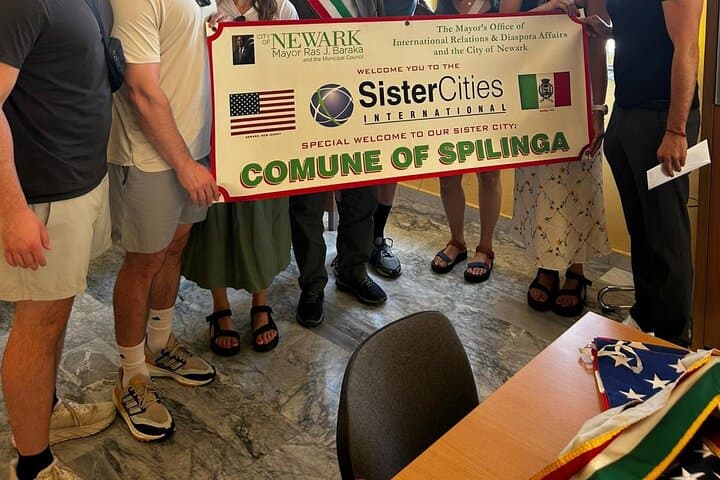
Search town halls, meet living relatives, and walk the streets your ancestors left behind on a private ancestral heritage tour in Calabria. This hands-on experience blends archival research with local introductions and food tastings to reconnect you with family history.
Search town halls, meet living relatives, and walk the streets your ancestors left behind on a private ancestral heritage tour in Calabria. This hands-on experience blends archival research with local introductions and food tastings to reconnect you with family history.
You step off the minivan and the air smells of citrus and sea—hot rock, lemon groves, and a washing of distant Adriatic breeze. Small streets climb away from a piazza where older men play cards and women hang linen; this is the sort of town your grandparents left and the one you’ve come back to know.
Verified experiences and guided adventures in the surrounding area.
Operated by Visit Mediterraneo · Tropea, Calabria
You step off the minivan and the air smells of citrus and sea—hot rock, lemon groves, and a washing of distant Adriatic breeze. Small streets climb away from a piazza where older men play cards and women hang linen; this is the sort of town your grandparents left and the one you’ve come back to know.
Calabria’s coastline is carved from limestone and volcanic deposits; inland, terraced olive groves and steep karst ridges hold villages that kept old dialects and rituals alive. The region’s history reads like a layered map: Greek colonies, Byzantine churches, Norman towers and the long arc of emigration that sent millions to the Americas in the 19th and 20th centuries. Arbëreshë hamlets—Albanian-speaking enclaves—preserve liturgy and costume unchanged by time.
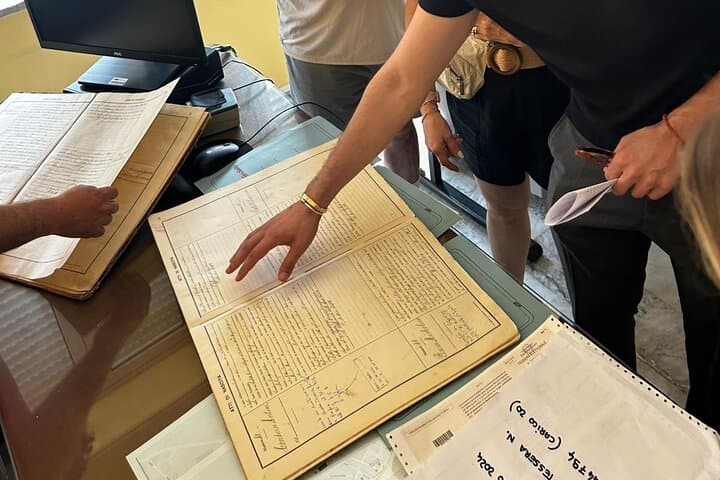
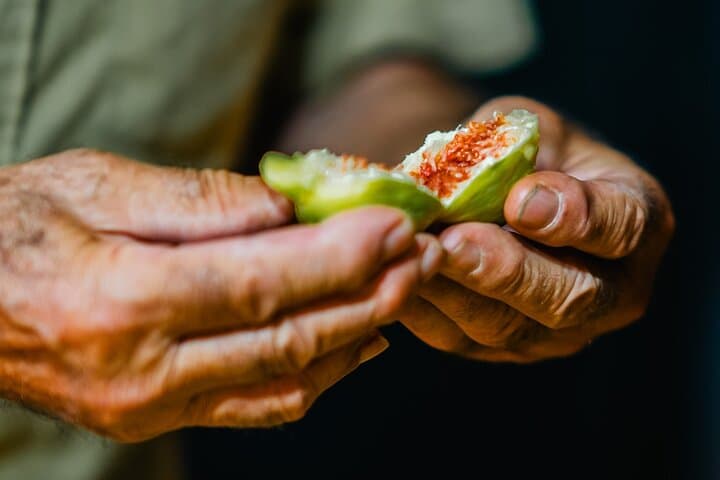
On a private, half- to full-day heritage tour you’ll search municipal archives, meet local historians, and follow leads to family homes. Guides facilitate language gaps, introduce you to local nōnni, and arrange tastings of bread, nduja and oil to connect flavor to memory. Expect patient paperwork, chance discoveries, and intimate conversations more than scripted sightseeing.
Practical side: wear sturdy shoes for cobbled lanes and pack a slim folder with any documents, ancestral names and dates. Bring a charged phone and spare battery — contacts and discoveries happen fast. Schedule mornings for archive visits (climate-controlled offices open early) and late afternoon for casual introductions when families are home. Be prepared for manual confirmation at booking and limited refunds; this is a personalized, relational experience rather than a drop-in tour.
Leave time after the formal search to walk the old town, photograph doorways, and sit with a local over espresso—you may come for records but you’ll stay for the human reconnection.
easy.
4–7 hours.
Suitable for most fitness levels; requires walking on uneven village streets and occasional steps.
Guides typically coordinate access and can request searches, but availability depends on local office hours and document indexing; bring as much identifying information as possible.
No—many guides speak English and local staff often understand common genealogical terms, but having names, dates and town spellings written down is helpful.
Guides can make introductions when contacts exist locally, but meetings depend on willingness of residents and sometimes require flexible timing.
This tour lists all sales final—confirm carefully before booking and coordinate pickup details in advance.
Calabria preserves Greek and Byzantine influences and long emigration patterns; many towns retain dialects and customs tied to centuries-old parish records.
Small towns face depopulation; responsible visits that support local archives, artisans and family-run tavernas help sustain cultural landscapes.
Visit Mediterraneo operates guided outdoor trips and adventures with an emphasis on safety, stewardship, and memorable experiences.
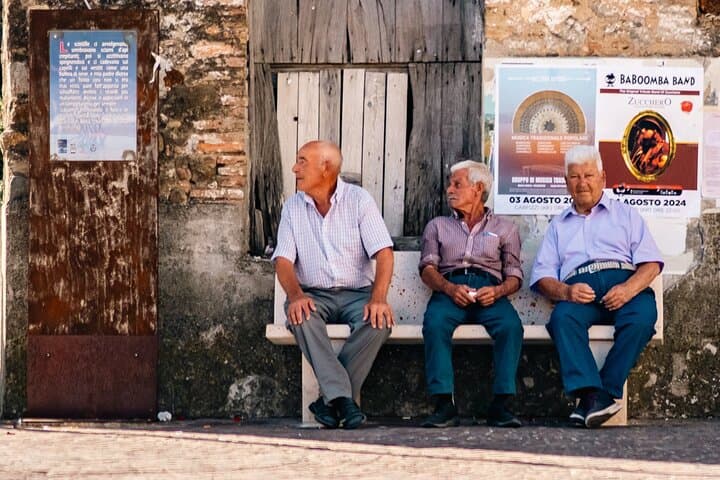
You step off the minivan and the air smells of citrus and sea—hot rock, lemon groves, and a washing of distant Adriatic breeze. Small streets climb away from a piazza where older men play cards and women hang linen; this is the sort of town your grandparents left and the one you’ve come back to know.
You step off the minivan and the air smells of citrus and sea—hot rock, lemon groves, and a washing of distant Adriatic breeze. Small streets climb away from a piazza where older men play cards and women hang linen; this is the sort of town your grandparents left and the one you’ve come back to know.
Calabria’s coastline is carved from limestone and volcanic deposits; inland, terraced olive groves and steep karst ridges hold villages that kept old dialects and rituals alive. The region’s history reads like a layered map: Greek colonies, Byzantine churches, Norman towers and the long arc of emigration that sent millions to the Americas in the 19th and 20th centuries. Arbëreshë hamlets—Albanian-speaking enclaves—preserve liturgy and costume unchanged by time.
On a private, half- to full-day heritage tour you’ll search municipal archives, meet local historians, and follow leads to family homes. Guides facilitate language gaps, introduce you to local nōnni, and arrange tastings of bread, nduja and oil to connect flavor to memory. Expect patient paperwork, chance discoveries, and intimate conversations more than scripted sightseeing.
Practical side: wear sturdy shoes for cobbled lanes and pack a slim folder with any documents, ancestral names and dates. Bring a charged phone and spare battery — contacts and discoveries happen fast. Schedule mornings for archive visits (climate-controlled offices open early) and late afternoon for casual introductions when families are home. Be prepared for manual confirmation at booking and limited refunds; this is a personalized, relational experience rather than a drop-in tour.
Leave time after the formal search to walk the old town, photograph doorways, and sit with a local over espresso—you may come for records but you’ll stay for the human reconnection.