THE ADVENTURE COLLECTIVE® · Independent discovery and booking for outdoor travel

A private, full-day journey from Rome into the villages where your family began — visit town halls, parish archives, and local streets that carry your surname. This tailored tour blends genealogy, regional history, and on‑the‑ground research with the practical logistics of Italian bureaucracy.
A private, full-day journey from Rome into the villages where your family began — visit town halls, parish archives, and local streets that carry your surname. This tailored tour blends genealogy, regional history, and on‑the‑ground research with the practical logistics of Italian bureaucracy.
You step into a lacquered minivan just outside a Roman palazzo, the city shrinking behind you as low hills and olive groves press forward. Windows frame villages that seem to keep time: stone façades, church bells, and storefronts with handwritten signs. The driver — fluent in English — becomes a bridge between past and present as your private tour steers toward the town where your surname first appears in the records.
Verified experiences and guided adventures in the surrounding area.
Operated by ItalyBesTours · Rome, Lazio
You step into a lacquered minivan just outside a Roman palazzo, the city shrinking behind you as low hills and olive groves press forward. Windows frame villages that seem to keep time: stone façades, church bells, and storefronts with handwritten signs. The driver — fluent in English — becomes a bridge between past and present as your private tour steers toward the town where your surname first appears in the records.
Italy’s regional layers are visible in architecture and dialect: Lombardy’s squared brick, Tuscany’s warm stone, Campania’s narrow alleys. The records you seek often live in municipal archivio or parish registries, repositories shaped by 19th-century civil registration after Italian unification and older church ledgers dating back centuries. Geology sets the tone — volcanic plains around Naples, terraced limestone hills in Apulia — each landscape informing settlement patterns and emigration waves that sent millions abroad from 1860–1970.
Cultural rhythms here are communal: midday market chatter, elderly neighbors who remember family names, trattorie where recipes have held steady for generations. Expect slow, human-paced research: officials who can pull a birth entry, a church with baptismal books, and conversations that yield anecdotal color more than definitive proof.
Practical guidance: bring photocopies of names, dates, and any scanned documents; allow at least a full day (often 8–10 hours) for a single village visit; plan for walking on uneven stone streets and variable archive opening hours. Dress in layers for church interiors and air-conditioned vehicles, and budget extra time for translation and local bureaucracy. This is a patient, intimate pursuit — part history hunt, part pilgrimage — best approached with curiosity and flexible timing.
easy.
8–10 hours.
Suitable for most fitness levels; comfortable walking and short climbs on historic streets expected
Guides can request access and translate when permitted, but some archives require formal requests or proof of relation; results vary by town.
Yes — the private tour includes pickup and drop-off from central Rome locations; confirm exact pickup point when booking.
Meals are typically on your own; guides can recommend local trattorie and markets but food expenses are not included.
Yes — the private format allows on-the-fly adjustments to prioritize certain villages, archives, or family sites within the tour day.
Many Italian civil registries were standardized after unification in the 19th century, but older baptismal records at parishes can extend genealogies back several centuries.
Respect fragile archival documents by following staff guidance; support small towns by using local services and dining at family-run trattorie to keep heritage economies viable.
ItalyBesTours operates guided outdoor trips and adventures with an emphasis on safety, stewardship, and memorable experiences.
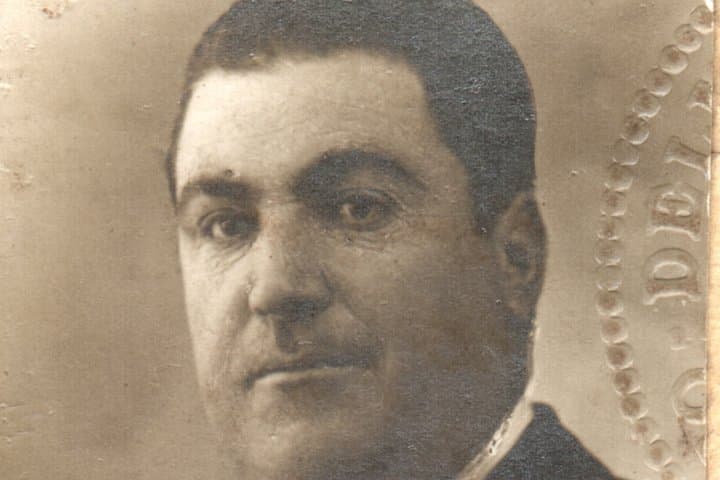
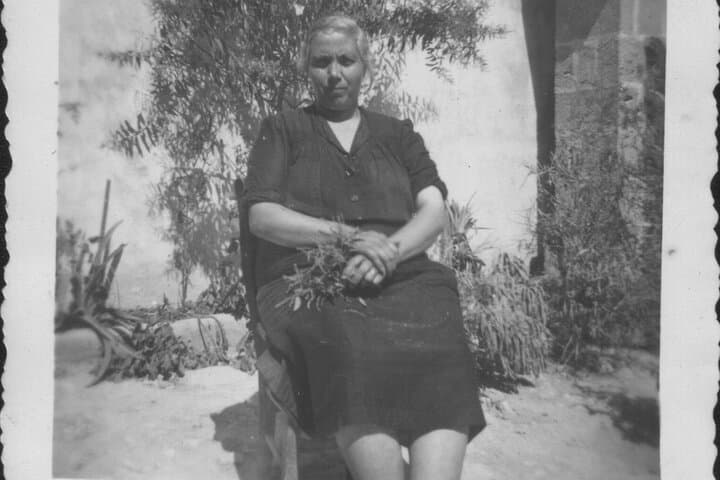
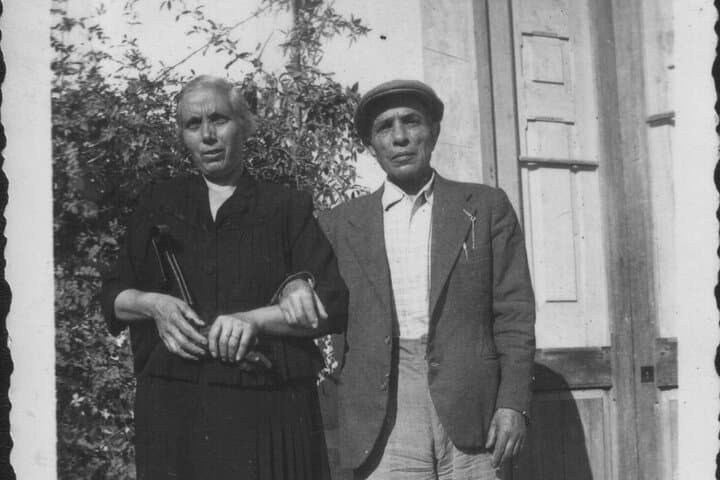

You step into a lacquered minivan just outside a Roman palazzo, the city shrinking behind you as low hills and olive groves press forward. Windows frame villages that seem to keep time: stone façades, church bells, and storefronts with handwritten signs. The driver — fluent in English — becomes a bridge between past and present as your private tour steers toward the town where your surname first appears in the records.
You step into a lacquered minivan just outside a Roman palazzo, the city shrinking behind you as low hills and olive groves press forward. Windows frame villages that seem to keep time: stone façades, church bells, and storefronts with handwritten signs. The driver — fluent in English — becomes a bridge between past and present as your private tour steers toward the town where your surname first appears in the records.
Italy’s regional layers are visible in architecture and dialect: Lombardy’s squared brick, Tuscany’s warm stone, Campania’s narrow alleys. The records you seek often live in municipal archivio or parish registries, repositories shaped by 19th-century civil registration after Italian unification and older church ledgers dating back centuries. Geology sets the tone — volcanic plains around Naples, terraced limestone hills in Apulia — each landscape informing settlement patterns and emigration waves that sent millions abroad from 1860–1970.
Cultural rhythms here are communal: midday market chatter, elderly neighbors who remember family names, trattorie where recipes have held steady for generations. Expect slow, human-paced research: officials who can pull a birth entry, a church with baptismal books, and conversations that yield anecdotal color more than definitive proof.
Practical guidance: bring photocopies of names, dates, and any scanned documents; allow at least a full day (often 8–10 hours) for a single village visit; plan for walking on uneven stone streets and variable archive opening hours. Dress in layers for church interiors and air-conditioned vehicles, and budget extra time for translation and local bureaucracy. This is a patient, intimate pursuit — part history hunt, part pilgrimage — best approached with curiosity and flexible timing.