THE ADVENTURE COLLECTIVE® · Independent discovery and booking for outdoor travel

Glide through narrow canals of cajuput and lotus on a full-day boat tour to Tra Su Forest, where a 14-meter tower and Vietnam’s longest bamboo bridge reveal Mekong Delta wildlife and rural life. This guide covers what to see, why the forest matters, and how to prepare.
Glide through narrow canals of cajuput and lotus on a full-day boat tour to Tra Su Forest, where a 14-meter tower and Vietnam’s longest bamboo bridge reveal Mekong Delta wildlife and rural life. This guide covers what to see, why the forest matters, and how to prepare.
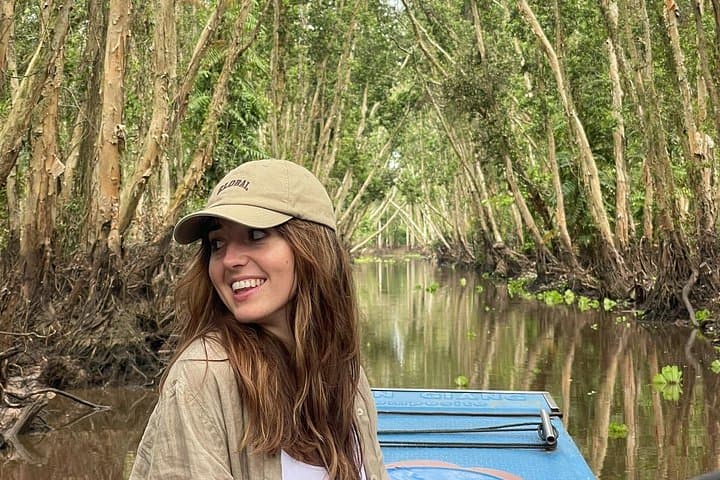
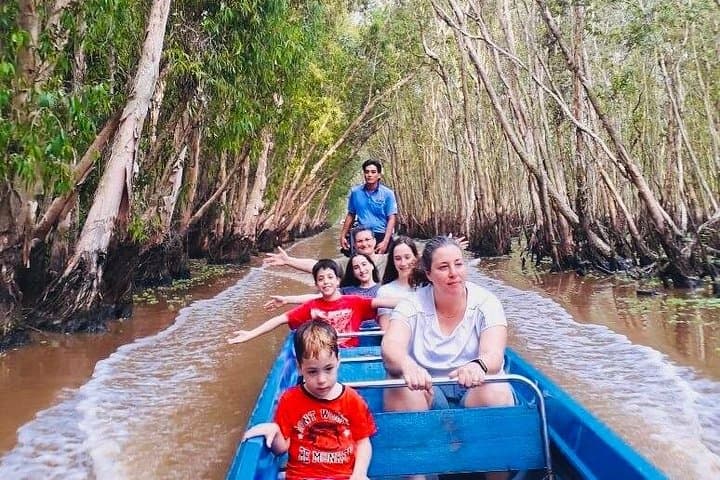
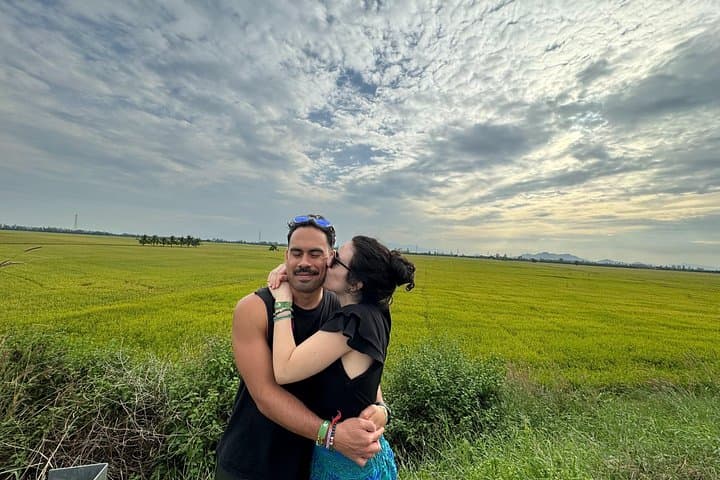
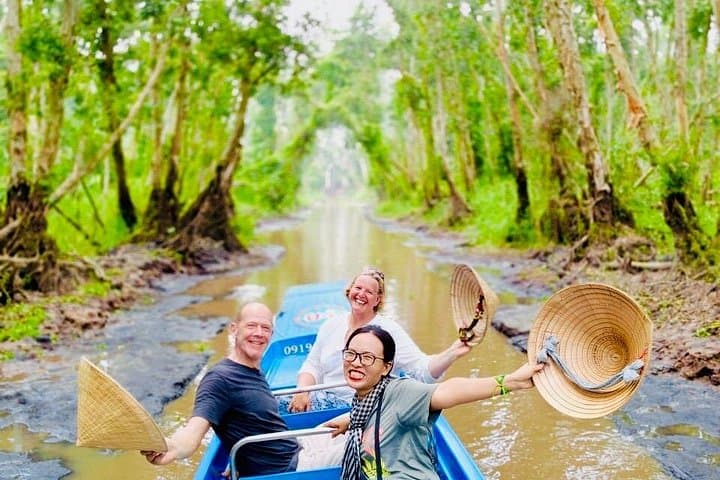
A slow motorboat parts a green ceiling of cajuput leaves as lotus pads press at the hull. Rice paddies slide past on the drive in; the scent of cajuput flowers rises warm and sweet. By the time the wooden bamboo bridge appears, the forest feels like a different country—water lanes threaded with lilies and the chatter of birds.
Verified experiences and guided adventures in the surrounding area.
Operated by Mekong Realism · Chau Doc, An Giang
A slow motorboat parts a green ceiling of cajuput leaves as lotus pads press at the hull. Rice paddies slide past on the drive in; the scent of cajuput flowers rises warm and sweet. By the time the wooden bamboo bridge appears, the forest feels like a different country—water lanes threaded with lilies and the chatter of birds.
The Tra Su Cajuput Forest sits in Vietnam’s Mekong Delta, a sediment-rich plain shaped by seasonal floods and centuries of rice cultivation. Cajuput (Melaleuca) trees dominate the swampy flats; local communities have long harvested resin, honey and timber while relying on seasonal fisheries. The area’s geology—soft alluvial soils and slow-moving canals—creates a mosaic of wetlands that supports migratory and resident birds.
On this full-day trip you’ll cruise narrow channels by motorboat, cross Vietnam’s notable bamboo walkway, and climb a 14-meter watchtower for a sweeping view of the canopy. Expect close-up birdwatching (herons, storks, kingfishers) and easy short walks on raised paths. Guides provide local context on agriculture, culture and the forest’s role in the delta economy.
Practical notes: the itinerary is a full day (pickup ~7:30 and return by evening); wear quick-dry clothing, insect repellent and sun protection, and keep gear in a dry bag. Bring a lightweight jacket for early-morning humidity shifts and cash for small local purchases. The route is broadly accessible, but the bamboo bridge and tower require sure-footedness. Travel thoughtfully—avoid disturbing nesting birds and pack out trash to help protect this delicate wetland.
easy.
12 hours.
Suitable for most fitness levels; requires short walks, boarding a small boat, and climbing a 14 m tower.
This is a full-day tour (about 12 hours); pickup is typically around 7:30 AM with return to hotels in the evening.
Yes—small motorboats are used and life jackets are provided; infants may need to sit on a lap per operator policies.
The tour includes some local foods, drinks, fruit and a bottled water, but bringing snacks or specific dietary items is recommended if you have restrictions.
The listing notes wheelchair-accessible transport and surfaces; however, the bamboo bridge and watchtower require mobility and stair climbing—check with the operator before booking.
The Tra Su flooded forest formed on Mekong alluvial deposits and has long supported local livelihoods—cajuput trees were historically used for timber, honey and traditional medicine.
Seasonal tourism supports local economies but can disturb waterbirds; visitors should avoid loud noises, stay on designated paths and carry out waste to protect the wetland.
Mekong Realism operates guided outdoor trips and adventures with an emphasis on safety, stewardship, and memorable experiences.
A slow motorboat parts a green ceiling of cajuput leaves as lotus pads press at the hull. Rice paddies slide past on the drive in; the scent of cajuput flowers rises warm and sweet. By the time the wooden bamboo bridge appears, the forest feels like a different country—water lanes threaded with lilies and the chatter of birds.
A slow motorboat parts a green ceiling of cajuput leaves as lotus pads press at the hull. Rice paddies slide past on the drive in; the scent of cajuput flowers rises warm and sweet. By the time the wooden bamboo bridge appears, the forest feels like a different country—water lanes threaded with lilies and the chatter of birds.
The Tra Su Cajuput Forest sits in Vietnam’s Mekong Delta, a sediment-rich plain shaped by seasonal floods and centuries of rice cultivation. Cajuput (Melaleuca) trees dominate the swampy flats; local communities have long harvested resin, honey and timber while relying on seasonal fisheries. The area’s geology—soft alluvial soils and slow-moving canals—creates a mosaic of wetlands that supports migratory and resident birds.
On this full-day trip you’ll cruise narrow channels by motorboat, cross Vietnam’s notable bamboo walkway, and climb a 14-meter watchtower for a sweeping view of the canopy. Expect close-up birdwatching (herons, storks, kingfishers) and easy short walks on raised paths. Guides provide local context on agriculture, culture and the forest’s role in the delta economy.
Practical notes: the itinerary is a full day (pickup ~7:30 and return by evening); wear quick-dry clothing, insect repellent and sun protection, and keep gear in a dry bag. Bring a lightweight jacket for early-morning humidity shifts and cash for small local purchases. The route is broadly accessible, but the bamboo bridge and tower require sure-footedness. Travel thoughtfully—avoid disturbing nesting birds and pack out trash to help protect this delicate wetland.