THE ADVENTURE COLLECTIVE® · Independent discovery and booking for outdoor travel

Cycle from Hoi An into Tra Que’s herb gardens for lantern-making, a hands-on farm tutorial, a herbal foot bath and a countryside lunch. This easy, cultural ride mixes light exercise with craft and culinary experiences.
Cycle from Hoi An into Tra Que’s herb gardens for lantern-making, a hands-on farm tutorial, a herbal foot bath and a countryside lunch. This easy, cultural ride mixes light exercise with craft and culinary experiences.
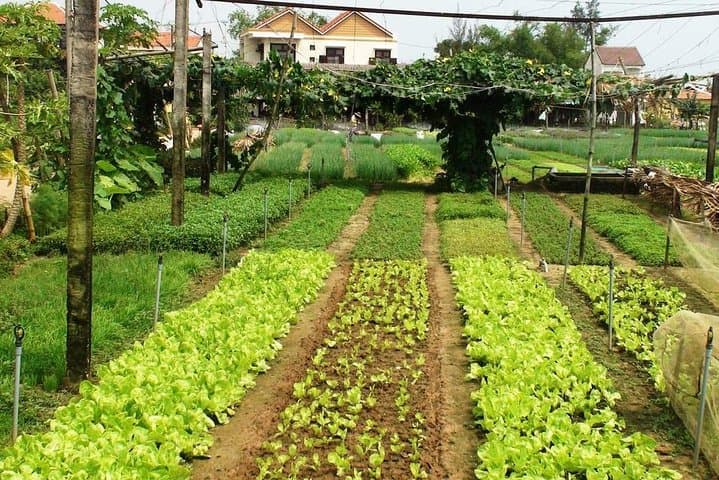
Dawn loosens across the flooded rice paddies as cyclists push off from Hoi An toward Tra Que Village — pedals whisper on narrow lanes, and the air smells of wet earth and chopped herbs. The route threads through An My’s low ridges and fields where water buffalo graze at the edge of irrigation channels, then eases into Tra Que’s tidy plots where farmers talk through generations of seed selection and organic fertilizing.
Verified experiences and guided adventures in the surrounding area.
Operated by Danang Hoian Private Tour · Hoi An, Quang Nam
Dawn loosens across the flooded rice paddies as cyclists push off from Hoi An toward Tra Que Village — pedals whisper on narrow lanes, and the air smells of wet earth and chopped herbs. The route threads through An My’s low ridges and fields where water buffalo graze at the edge of irrigation channels, then eases into Tra Que’s tidy plots where farmers talk through generations of seed selection and organic fertilizing.
Hoi An’s history as a coastal trading port left a layered landscape: river-silt soils that support dense herb beds, lanes formed for cart wheels, and craft traditions like the lantern workshops clustered in the ancient town. Tra Que itself is known for inventive vegetable techniques — a local gardener will show compost mixes and soil-tilling methods that have kept small plots productive for decades.
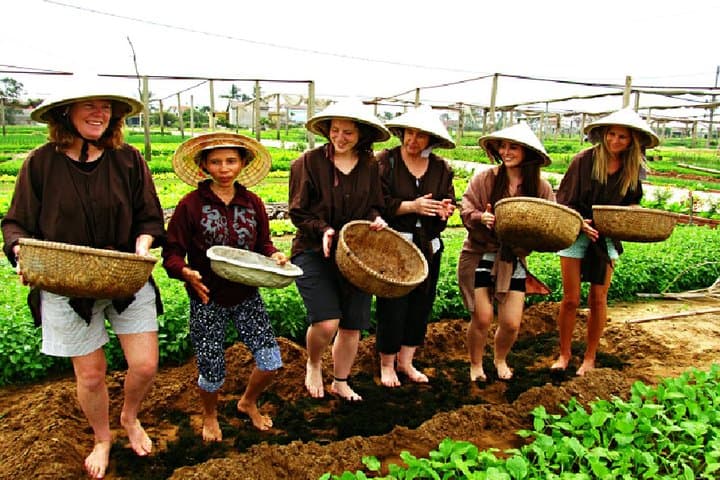
Expect easy, largely flat cycling on a mix of paved village roads and compact dirt tracks — plan on roughly 5–10 km of cycling interspersed with stops. The day includes a hands-on herb garden walk, a lantern-making session, a short buffalo demonstration, a traditional herbal foot bath and a 30-minute massage, followed by a cooking demo and lunch overlooking the fields.
Practically: start early in summer to avoid midday heat, wear closed-toe shoes for cycling and farm paths, and bring sun protection and a small refillable water bottle. Respect private plots when photographing and listen to farmers’ instructions during hands-on activities. The tour is relaxed and suitable for most fitness levels, but pregnant travelers or those with serious spinal or cardiovascular conditions should avoid it.
easy.
6 hours.
Suitable for travelers in light to moderate physical shape; requires basic cycling ability for flat village roads and short dirt tracks.
Yes—private transportation is included; the guide will arrange hotel pickup and return within Hoi An city limits.
Children can join but must ride safely; infants should sit on an adult’s lap for transfers, and the activity level is gentle but includes hands-on farm work.
Lunch and bottled water are included, and the cooking demo concludes the meal; inform the operator of dietary restrictions when booking.
No — the tour is not recommended for pregnant travelers or those with spinal or serious cardiovascular conditions, per operator guidance.
Tra Que Village has long specialized in vegetable gardening for Hoi An’s markets, using river-silt soils and sustainable rotations that predate modern fertilizers.
Visitors are asked to avoid trampling beds, use refillable bottles, and follow farmers’ directions to minimize disturbance to crops and irrigation systems.
Danang Hoian Private Tour operates guided outdoor trips and adventures with an emphasis on safety, stewardship, and memorable experiences.
Dawn loosens across the flooded rice paddies as cyclists push off from Hoi An toward Tra Que Village — pedals whisper on narrow lanes, and the air smells of wet earth and chopped herbs. The route threads through An My’s low ridges and fields where water buffalo graze at the edge of irrigation channels, then eases into Tra Que’s tidy plots where farmers talk through generations of seed selection and organic fertilizing.
Dawn loosens across the flooded rice paddies as cyclists push off from Hoi An toward Tra Que Village — pedals whisper on narrow lanes, and the air smells of wet earth and chopped herbs. The route threads through An My’s low ridges and fields where water buffalo graze at the edge of irrigation channels, then eases into Tra Que’s tidy plots where farmers talk through generations of seed selection and organic fertilizing.
Hoi An’s history as a coastal trading port left a layered landscape: river-silt soils that support dense herb beds, lanes formed for cart wheels, and craft traditions like the lantern workshops clustered in the ancient town. Tra Que itself is known for inventive vegetable techniques — a local gardener will show compost mixes and soil-tilling methods that have kept small plots productive for decades.
Expect easy, largely flat cycling on a mix of paved village roads and compact dirt tracks — plan on roughly 5–10 km of cycling interspersed with stops. The day includes a hands-on herb garden walk, a lantern-making session, a short buffalo demonstration, a traditional herbal foot bath and a 30-minute massage, followed by a cooking demo and lunch overlooking the fields.
Practically: start early in summer to avoid midday heat, wear closed-toe shoes for cycling and farm paths, and bring sun protection and a small refillable water bottle. Respect private plots when photographing and listen to farmers’ instructions during hands-on activities. The tour is relaxed and suitable for most fitness levels, but pregnant travelers or those with serious spinal or cardiovascular conditions should avoid it.