THE ADVENTURE COLLECTIVE® · Independent discovery and booking for outdoor travel

Spend a half-day cycling from Hoi An into Tra Que village to work in herb gardens, learn traditional seaweed fertilizing, and cook tam huu and banh xeo with a local family. This hands-on tour pairs fieldwork with a home-cooked meal in a compact, accessible setting.
Spend a half-day cycling from Hoi An into Tra Que village to work in herb gardens, learn traditional seaweed fertilizing, and cook tam huu and banh xeo with a local family. This hands-on tour pairs fieldwork with a home-cooked meal in a compact, accessible setting.
You step off the quiet lane and the soil answers — damp, warm, and flecked with seaweed — as Tra Que’s small plots stretch green and low around you.
Verified experiences and guided adventures in the surrounding area.
Operated by Asia Travel Links · Hoi An, Quang Nam
You step off the quiet lane and the soil answers — damp, warm, and flecked with seaweed — as Tra Que’s small plots stretch green and low around you.
A half-day here moves at the village’s pace: calm mornings, a chorus of crickets, and farmers whose hands still read the seasons. Tra Que sits a short ride north of Hoi An’s old town on the coastal plain where alluvial soils and tidal breezes shape how vegetables grow. The village is known for aromatic herbs and a long tradition of using seaweed as fertilizer; the land feels like a living workshop rather than a showroom.
History here is practical — families passing down techniques for shallower, compact beds that conserve water and concentrate flavor. The tour blends that living history with the simple geology of coastal plain farming: flat terrain, sandy-loam soil, and the occasional irrigation channel that dares you to step around it.
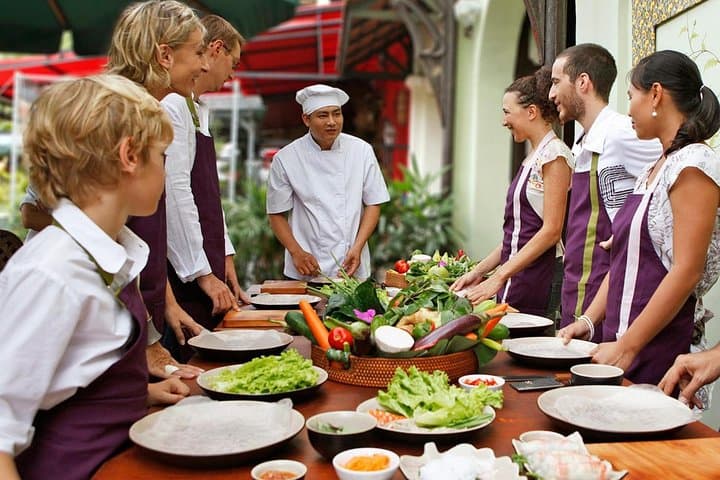
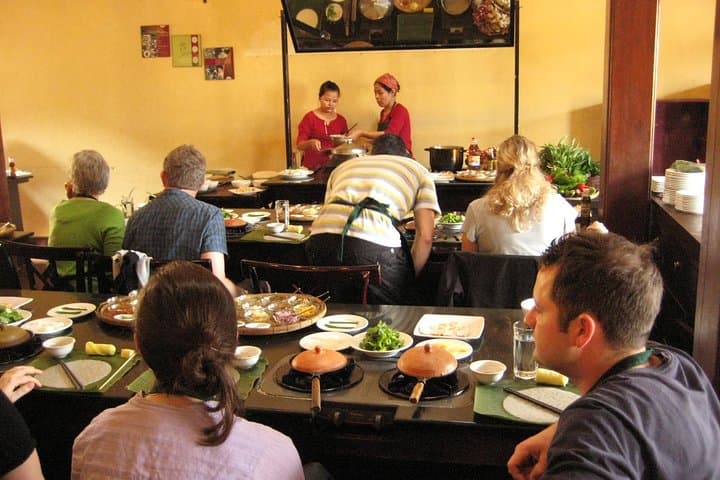
Expect hands-on gardening tasks — raking, sowing, watering, and harvesting — then a home-cooking segment where you learn to fold tam huu spring rolls and crisp banh xeo. Nature here isn’t distant; it nudges and invites: the river breeze cools your face, the soil gives under your fingers, the herbs push their scent toward you.
Practical notes: wear closed-toe shoes that can get muddy, a sun hat, and light layers for the morning chill that fades quickly. Bring water and insect repellent, and plan the visit for early morning when heat and rain are least likely. The experience is low-impact but physically active — expect bending and squatting — and supports family-run agriculture while teaching simple, local cooking techniques.
easy.
3–4 hours.
Suitable for most fitness levels; expect repeated bending, squatting, and short walks between beds
Most tours include hotel pickup and a short drive (about 20–30 minutes) or a brief cycle from central Hoi An; confirm pickup time with your operator.
Yes — the activity is rated easy and family-friendly, but it involves bending and light physical tasks; inform the operator of mobility concerns.
Hosts prepare local dishes and can usually adapt recipes if notified in advance; use the booking questions to list dietary restrictions.
English-speaking guides are standard; other languages may be available on request — confirm when booking.
Tra Que’s horticultural methods developed over generations; seaweed fertilization and compact raised beds are long-standing local techniques that supply Hoi An markets.
Tours support small-family agriculture; travelers should avoid single-use plastics, stick to marked paths, and accept that farms follow low-impact, traditional practices.
Asia Travel Links operates guided outdoor trips and adventures with an emphasis on safety, stewardship, and memorable experiences.
You step off the quiet lane and the soil answers — damp, warm, and flecked with seaweed — as Tra Que’s small plots stretch green and low around you.
You step off the quiet lane and the soil answers — damp, warm, and flecked with seaweed — as Tra Que’s small plots stretch green and low around you.
A half-day here moves at the village’s pace: calm mornings, a chorus of crickets, and farmers whose hands still read the seasons. Tra Que sits a short ride north of Hoi An’s old town on the coastal plain where alluvial soils and tidal breezes shape how vegetables grow. The village is known for aromatic herbs and a long tradition of using seaweed as fertilizer; the land feels like a living workshop rather than a showroom.
History here is practical — families passing down techniques for shallower, compact beds that conserve water and concentrate flavor. The tour blends that living history with the simple geology of coastal plain farming: flat terrain, sandy-loam soil, and the occasional irrigation channel that dares you to step around it.
Expect hands-on gardening tasks — raking, sowing, watering, and harvesting — then a home-cooking segment where you learn to fold tam huu spring rolls and crisp banh xeo. Nature here isn’t distant; it nudges and invites: the river breeze cools your face, the soil gives under your fingers, the herbs push their scent toward you.
Practical notes: wear closed-toe shoes that can get muddy, a sun hat, and light layers for the morning chill that fades quickly. Bring water and insect repellent, and plan the visit for early morning when heat and rain are least likely. The experience is low-impact but physically active — expect bending and squatting — and supports family-run agriculture while teaching simple, local cooking techniques.