THE ADVENTURE COLLECTIVE® · Independent discovery and booking for outdoor travel

Pedal from Hoi An’s old town out to Tra Que village, where a short bike ride and a hands-on cooking lesson teach you how local herbs and market ingredients become classic Vietnamese dishes. This half-day tour blends market stops, garden visits, and a shared meal you helped prepare.
Pedal from Hoi An’s old town out to Tra Que village, where a short bike ride and a hands-on cooking lesson teach you how local herbs and market ingredients become classic Vietnamese dishes. This half-day tour blends market stops, garden visits, and a shared meal you helped prepare.
You set off from a shady lane in Hoi An, pedals turning as lantern-lit streets give way to low, watery fields. The Thu Bon’s channels push light across rice paddies, and the scent of herbs—rau răm, mint, and Vietnamese mint—pulls you toward Tra Que. Farmers stoop in neat beds; soil and time have taught these plots how to feed a town.
Verified experiences and guided adventures in the surrounding area.
Operated by Asia Travel Links · Hoi An, Quang Nam
You set off from a shady lane in Hoi An, pedals turning as lantern-lit streets give way to low, watery fields. The Thu Bon’s channels push light across rice paddies, and the scent of herbs—rau răm, mint, and Vietnamese mint—pulls you toward Tra Que. Farmers stoop in neat beds; soil and time have taught these plots how to feed a town.
Tra Que village supplied Hoi An during the port’s trading heyday and still follows cultivation methods that predate motorized farming. Geologically the area is an alluvial plain fed by the Thu Bon River, which leaves rich silt and keeps the beds fertile; culturally, the village is a working kitchen for the region, where small-scale producers prepare herbs for markets and restaurants in the old town.
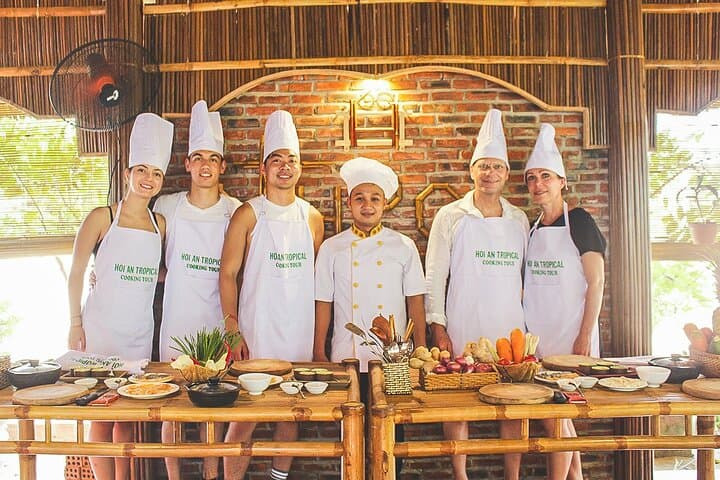
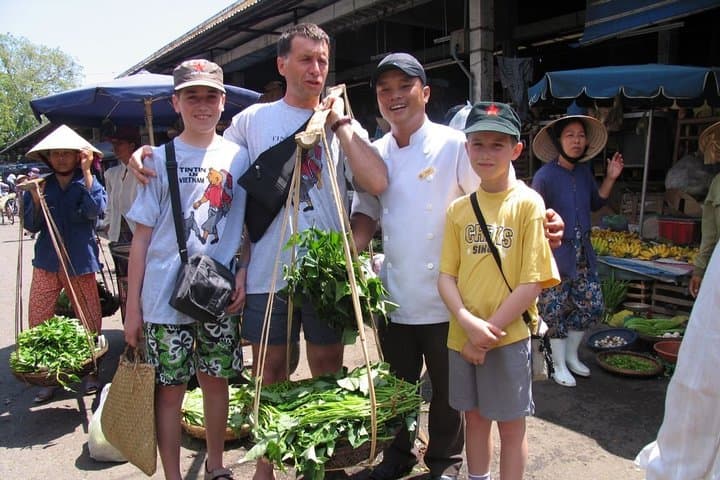
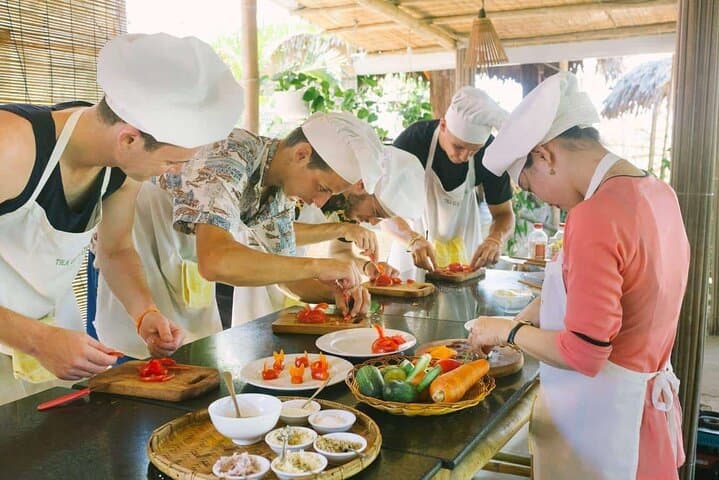
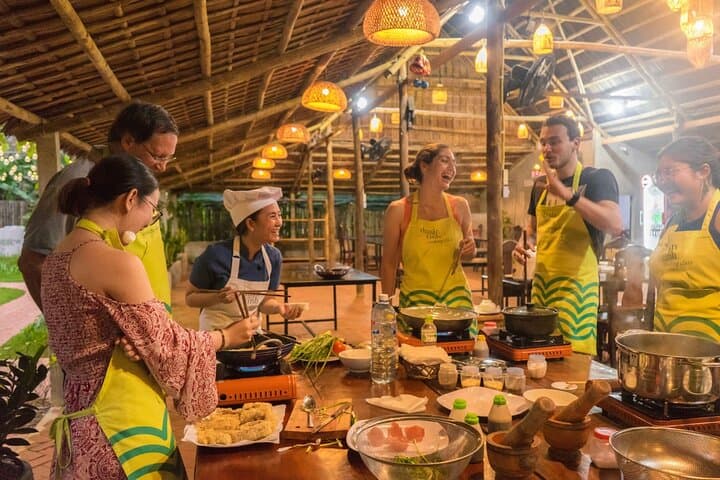
The tour begins with a short bike to the central market to source fish, herbs, and rice paper, then moves to the garden for a hands-on lesson: plucking herbs, pounding spice pastes, learning how heat, oil, and fish sauce balance in classic Hoi An dishes. Expect step-by-step knife skills, wok technique, and a shared meal of what you cook.
Practical notes: wear closed-toe shoes for the farm and a sun hat for open fields; bring a light rain layer in monsoon months. The ride is flat and family-friendly but requires basic bike handling. Bring a printed or mobile ticket, sunscreen, insect repellent, and any dietary notes ahead of time. The experience is part culinary school, part cultural walk—good for anyone who wants a taste of local foodways and a short outdoor ride.
easy.
4 hours.
Suitable for most fitness levels; requires basic cycling ability for short, flat rides.
Most operators include hotel pickup in Hoi An; confirm your pickup point and time when booking or plan to meet at a specified hotel lobby or central pick-up location.
No—the route is flat and short, suitable for beginners and families, but you should be comfortable riding a city bike on quiet roads and paths.
Yes—inform the operator of dietary requirements when booking so the chef can plan plant-based dishes using Tra Que’s herbs and vegetables.
Absolutely—market stalls, garden rows, and the cooking demonstration are all photo-friendly; be mindful of farmers working and ask before photographing individuals.
Tra Que supplied Hoi An’s markets for generations; villagers still use traditional planting and hand-tended beds that supported the town during its trading-port era.
The village promotes small-scale organic practices and limits chemical inputs; visitors are asked to respect beds, avoid trampling, and dispose of waste responsibly.
Asia Travel Links operates guided outdoor trips and adventures with an emphasis on safety, stewardship, and memorable experiences.
You set off from a shady lane in Hoi An, pedals turning as lantern-lit streets give way to low, watery fields. The Thu Bon’s channels push light across rice paddies, and the scent of herbs—rau răm, mint, and Vietnamese mint—pulls you toward Tra Que. Farmers stoop in neat beds; soil and time have taught these plots how to feed a town.
You set off from a shady lane in Hoi An, pedals turning as lantern-lit streets give way to low, watery fields. The Thu Bon’s channels push light across rice paddies, and the scent of herbs—rau răm, mint, and Vietnamese mint—pulls you toward Tra Que. Farmers stoop in neat beds; soil and time have taught these plots how to feed a town.
Tra Que village supplied Hoi An during the port’s trading heyday and still follows cultivation methods that predate motorized farming. Geologically the area is an alluvial plain fed by the Thu Bon River, which leaves rich silt and keeps the beds fertile; culturally, the village is a working kitchen for the region, where small-scale producers prepare herbs for markets and restaurants in the old town.
The tour begins with a short bike to the central market to source fish, herbs, and rice paper, then moves to the garden for a hands-on lesson: plucking herbs, pounding spice pastes, learning how heat, oil, and fish sauce balance in classic Hoi An dishes. Expect step-by-step knife skills, wok technique, and a shared meal of what you cook.
Practical notes: wear closed-toe shoes for the farm and a sun hat for open fields; bring a light rain layer in monsoon months. The ride is flat and family-friendly but requires basic bike handling. Bring a printed or mobile ticket, sunscreen, insect repellent, and any dietary notes ahead of time. The experience is part culinary school, part cultural walk—good for anyone who wants a taste of local foodways and a short outdoor ride.