THE ADVENTURE COLLECTIVE® · Independent discovery and booking for outdoor travel

Cycle out of Hoi An and into Tra Que village for a hands-on cooking class, herb garden tour and traditional foot massage. This private half-day experience pairs authentic food learning with gentle rural riding.
Cycle out of Hoi An and into Tra Que village for a hands-on cooking class, herb garden tour and traditional foot massage. This private half-day experience pairs authentic food learning with gentle rural riding.
Morning light slants across narrow lanes as a small convoy of bicycles slips out of Hoi An’s Old Town toward Tra Que village. The road hums with scooters and the soft thud of farmers’ tools; herbs lean toward the path as if to offer their scent. Within twenty minutes the town noise thins and paddies open like quiet pages, water buffalo inspecting strangers with mild curiosity.
Verified experiences and guided adventures in the surrounding area.
Operated by SWALLOW TRAVEL · Hoi An, Quang Nam
Morning light slants across narrow lanes as a small convoy of bicycles slips out of Hoi An’s Old Town toward Tra Que village. The road hums with scooters and the soft thud of farmers’ tools; herbs lean toward the path as if to offer their scent. Within twenty minutes the town noise thins and paddies open like quiet pages, water buffalo inspecting strangers with mild curiosity.
Tra Que has grown vegetables for Hoi An’s kitchens for centuries; its shallow wells and sandy loam favor basil, coriander, and lemongrass that define central Vietnamese flavors. The village preserves simple organic methods—hand-tended beds, seaweed fertilizer and communal work—that shape the textures and aromas of dishes like cao lầu and bánh xèo.
The experience combines a market visit, a guided herb-garden walk where farmers explain planting cycles, a hands-on cooking class using freshly picked produce, and a traditional foot massage infused with local herbs. Cultural notes are woven through the day: how colonial trade introduced spices, how rice-field irrigation follows ancient communal rhythms, and how Hoi An’s food culture remains linked to small-scale growers.
Practical guidance: expect light cycling on flat, narrow village roads and a mostly hands-on class followed by a relaxed lunch. Bring sun protection, a small towel for the foot massage, and clothes you don’t mind smelling of herbs. The tour suits travelers of most fitness levels; mobility is gentle but includes short bike rides and standing while cooking. Timing early in the day keeps heat and crowds down.
This is part culinary lesson, part rural snapshot—an accessible way to taste Hoi An’s foodways while moving at the countryside’s unhurried pace.
easy.
5 hours.
Suitable for most travelers with basic mobility; involves short, flat bike rides and standing during the cooking session.
Basic cycling ability is enough—the route is short, flat and on quiet village roads; staff can advise or provide an alternative if needed.
Yes—inform the operator at booking and the instructor will adapt recipes using Tra Que’s plentiful herbs and vegetables.
Massage uses local herbs and trained staff; standard hygiene practices are followed—bring a small towel if you prefer your own.
Most bookings include hotel pickup in Hoi An; confirm your pickup point when you book and expect an early morning start.
Tra Que’s small-scale vegetable culture has supplied Hoi An for generations, with local methods passed down and integrated into the region’s coastal trade cuisine.
The village practices low-input organic farming; visitors are asked to respect beds, avoid trampling crops, and take all litter with them.
SWALLOW TRAVEL operates guided outdoor trips and adventures with an emphasis on safety, stewardship, and memorable experiences.
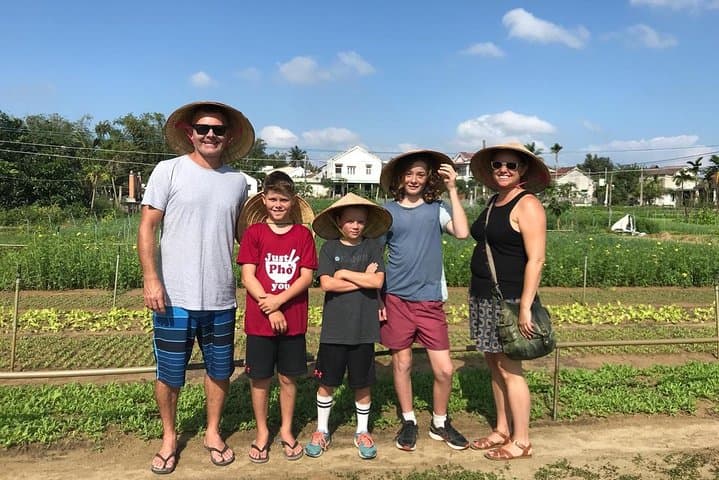
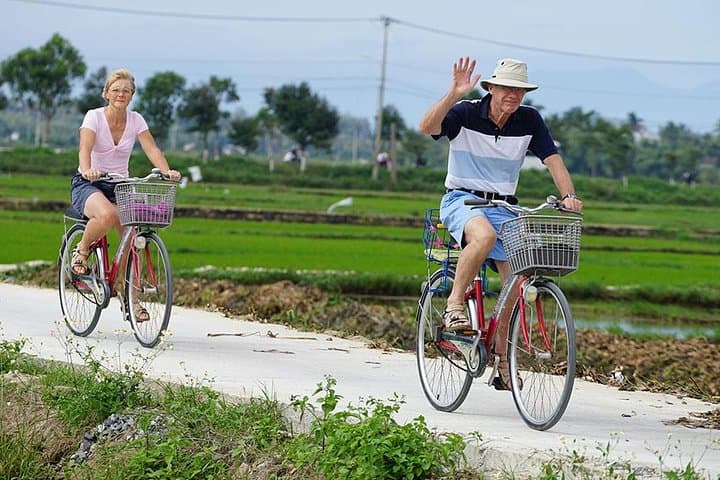
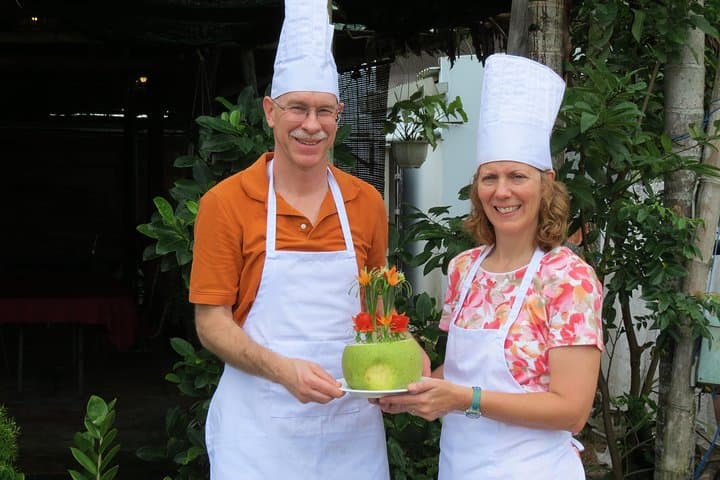
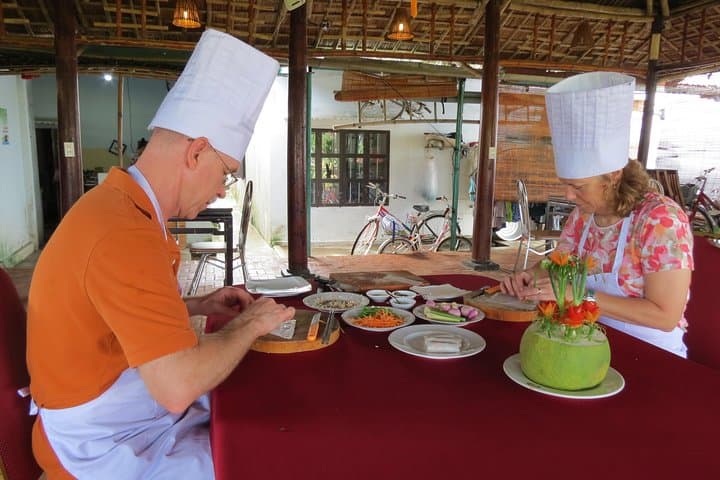
Morning light slants across narrow lanes as a small convoy of bicycles slips out of Hoi An’s Old Town toward Tra Que village. The road hums with scooters and the soft thud of farmers’ tools; herbs lean toward the path as if to offer their scent. Within twenty minutes the town noise thins and paddies open like quiet pages, water buffalo inspecting strangers with mild curiosity.
Morning light slants across narrow lanes as a small convoy of bicycles slips out of Hoi An’s Old Town toward Tra Que village. The road hums with scooters and the soft thud of farmers’ tools; herbs lean toward the path as if to offer their scent. Within twenty minutes the town noise thins and paddies open like quiet pages, water buffalo inspecting strangers with mild curiosity.
Tra Que has grown vegetables for Hoi An’s kitchens for centuries; its shallow wells and sandy loam favor basil, coriander, and lemongrass that define central Vietnamese flavors. The village preserves simple organic methods—hand-tended beds, seaweed fertilizer and communal work—that shape the textures and aromas of dishes like cao lầu and bánh xèo.
The experience combines a market visit, a guided herb-garden walk where farmers explain planting cycles, a hands-on cooking class using freshly picked produce, and a traditional foot massage infused with local herbs. Cultural notes are woven through the day: how colonial trade introduced spices, how rice-field irrigation follows ancient communal rhythms, and how Hoi An’s food culture remains linked to small-scale growers.
Practical guidance: expect light cycling on flat, narrow village roads and a mostly hands-on class followed by a relaxed lunch. Bring sun protection, a small towel for the foot massage, and clothes you don’t mind smelling of herbs. The tour suits travelers of most fitness levels; mobility is gentle but includes short bike rides and standing while cooking. Timing early in the day keeps heat and crowds down.
This is part culinary lesson, part rural snapshot—an accessible way to taste Hoi An’s foodways while moving at the countryside’s unhurried pace.