THE ADVENTURE COLLECTIVE® · Independent discovery and booking for outdoor travel

Explore Toyama on foot and tram in a private six-hour tour that blends Edo-period streets, world-class glass art, and a hands-on herbal pill workshop. Ideal for travelers who want cultural depth delivered at a relaxed urban pace.
Explore Toyama on foot and tram in a private six-hour tour that blends Edo-period streets, world-class glass art, and a hands-on herbal pill workshop. Ideal for travelers who want cultural depth delivered at a relaxed urban pace.
Step off the tram and into Toyama’s compact cityscape: the light rail hums like a local guide, ferrying you past low-rise modernism toward streets that remember Edo-period commerce. In the six hours that follow you’ll move at a pedestrian pace—tram clacks, canal reflections, and the muted thud of geta in preserved Iwase—letting the city reveal its layers.
Verified experiences and guided adventures in the surrounding area.
Operated by Japan Guide Agency · Toyama, Toyama Prefecture
Step off the tram and into Toyama’s compact cityscape: the light rail hums like a local guide, ferrying you past low-rise modernism toward streets that remember Edo-period commerce. In the six hours that follow you’ll move at a pedestrian pace—tram clacks, canal reflections, and the muted thud of geta in preserved Iwase—letting the city reveal its layers.
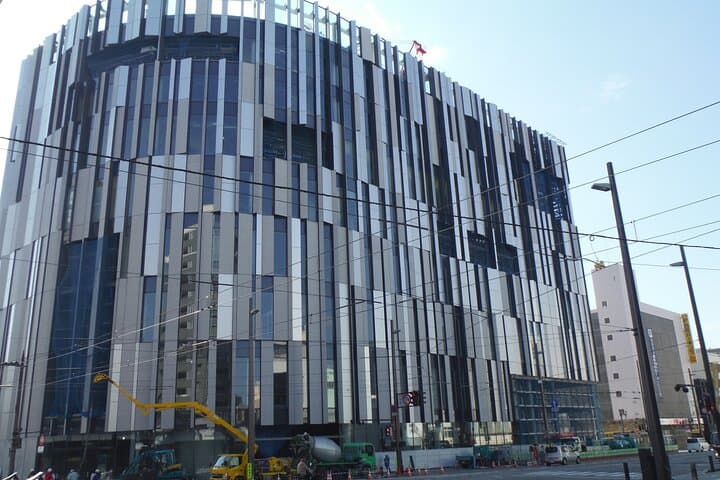
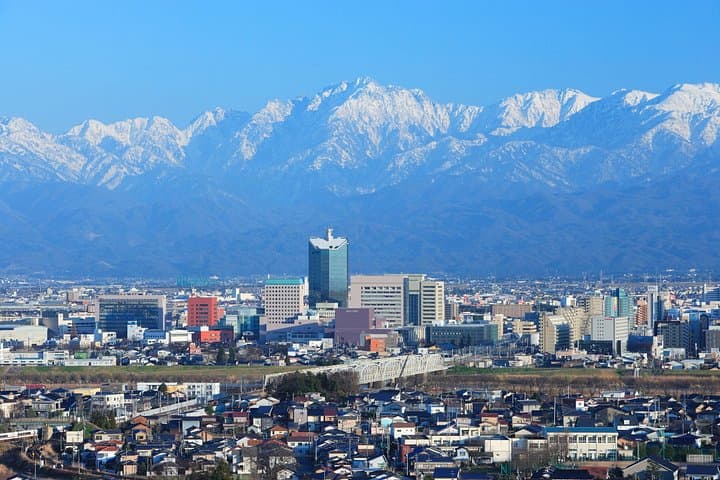
Toyama sits on the edge of the Sea of Japan, backed by the Northern Alps; its prosperity grew from maritime trade and the kitamaebune routes that once linked the west coast. The city’s glass tradition is recent but fierce—Kengo Kuma’s Glass Art Museum reframes light and industrial heritage—while Ikedaya Yasubei Shoten preserves regional knowledge of kanpō (traditional herbal medicine) dating to the early 20th century.
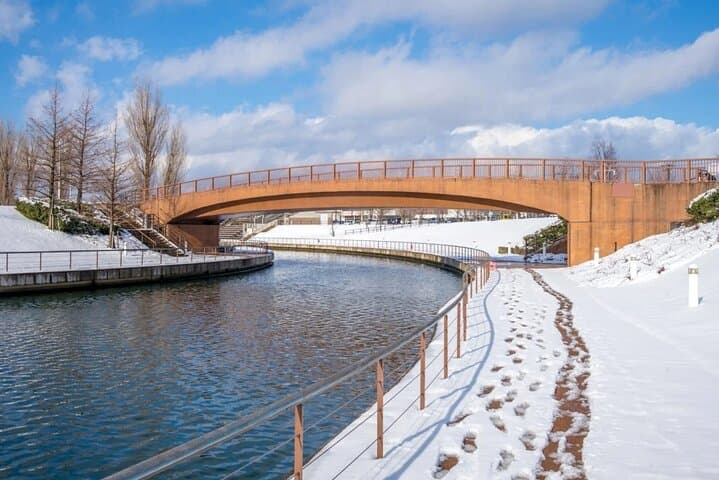
Geology matters here: alluvial plains from mountain runoff created fertile fisheries and rice paddies, feeding markets where shiroebi and masu no sushi remain local signatures. Fugan Canal Kansui Park gives the city a watery spine; the canal seems to dare you to slow down.
Practical guidance: choose three to four stops from the suggested list to fit six hours—most walking is flat but expect city blocks and short tram hops. Bring cash for small-market purchases, carry a compact umbrella in spring or summer, and wear supportive shoes for uneven historic streets. Book a licensed English guide to gain context on samurai-era families at Toyama Castle and to reserve the hands-on pill-making session at Ikedaya. Start mid-morning to catch market activity and finish with a canal-side coffee as light softens over Tenmon Bridge.
easy.
6 hours.
Light urban walking ability; suitable for most fitness levels with steady, mostly flat walking.
Expect several short walks between tram stops and attractions—overall walking is light and on mostly flat surfaces suitable for all fitness levels.
Admission fees are covered only for sights listed by the operator; confirm which sites are included when booking and budget for any additional entrances or purchases.
Yes—this private tour lets you choose 3–4 sites from the suggested list to tailor the day to your interests, with guidance from a licensed English-speaking guide.
Yes—the tour notes wheelchair and stroller accessibility for the listed areas, but check specific site access with the guide ahead of time.
Toyama flourished as a kitamaebune port in the Edo period; wealthy merchant families shaped districts like Iwase while modern glasscrafts emerged from 20th-century industrial arts movements.
Local efforts focus on maintaining canal water quality and protecting coastal fisheries; visitors can support sustainability by buying local seafood responsibly and avoiding single-use plastics.
Japan Guide Agency operates guided outdoor trips and adventures with an emphasis on safety, stewardship, and memorable experiences.

Step off the tram and into Toyama’s compact cityscape: the light rail hums like a local guide, ferrying you past low-rise modernism toward streets that remember Edo-period commerce. In the six hours that follow you’ll move at a pedestrian pace—tram clacks, canal reflections, and the muted thud of geta in preserved Iwase—letting the city reveal its layers.
Step off the tram and into Toyama’s compact cityscape: the light rail hums like a local guide, ferrying you past low-rise modernism toward streets that remember Edo-period commerce. In the six hours that follow you’ll move at a pedestrian pace—tram clacks, canal reflections, and the muted thud of geta in preserved Iwase—letting the city reveal its layers.
Toyama sits on the edge of the Sea of Japan, backed by the Northern Alps; its prosperity grew from maritime trade and the kitamaebune routes that once linked the west coast. The city’s glass tradition is recent but fierce—Kengo Kuma’s Glass Art Museum reframes light and industrial heritage—while Ikedaya Yasubei Shoten preserves regional knowledge of kanpō (traditional herbal medicine) dating to the early 20th century.
Geology matters here: alluvial plains from mountain runoff created fertile fisheries and rice paddies, feeding markets where shiroebi and masu no sushi remain local signatures. Fugan Canal Kansui Park gives the city a watery spine; the canal seems to dare you to slow down.
Practical guidance: choose three to four stops from the suggested list to fit six hours—most walking is flat but expect city blocks and short tram hops. Bring cash for small-market purchases, carry a compact umbrella in spring or summer, and wear supportive shoes for uneven historic streets. Book a licensed English guide to gain context on samurai-era families at Toyama Castle and to reserve the hands-on pill-making session at Ikedaya. Start mid-morning to catch market activity and finish with a canal-side coffee as light softens over Tenmon Bridge.