THE ADVENTURE COLLECTIVE® · Independent discovery and booking for outdoor travel

Spend three hours inside one of Britain’s most arresting historic sites with a Blue Badge guide who brings the Tower’s characters and ceremonies to life for kids and adults alike. Learn the essentials, from access and cobbles to where the ravens keep watch.
Spend three hours inside one of Britain’s most arresting historic sites with a Blue Badge guide who brings the Tower’s characters and ceremonies to life for kids and adults alike. Learn the essentials, from access and cobbles to where the ravens keep watch.
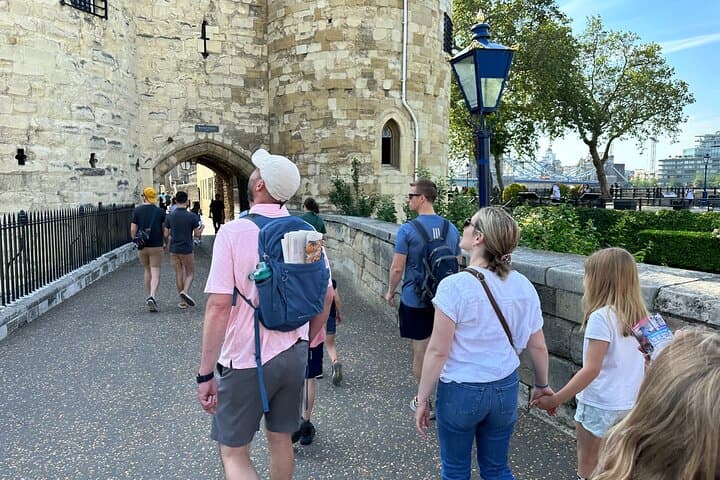
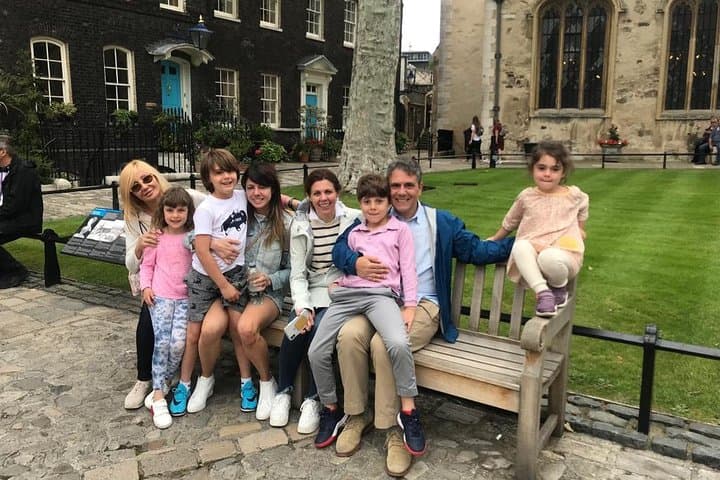
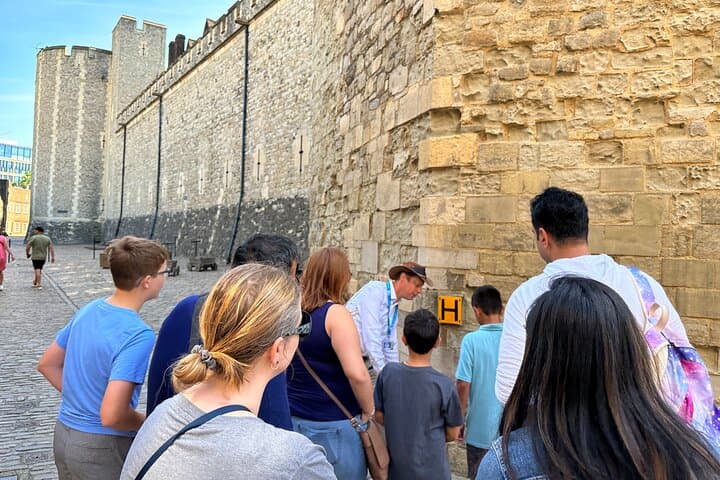
You step out of the chill off the Thames and into a stone ring that has held kings, prisoners and crown regalia for nearly a thousand years. The Tower’s walls rise blunt and close; ravens hop along the ramparts as if daring you to find their stories. A private Blue Badge guide tailors the three-hour route so children stay curious: armor in the White Tower becomes a knight’s puzzle, the Medieval Palace comes alive with royal routines, and the Crown Jewels glint under museum lighting that hums with tight security.
Verified experiences and guided adventures in the surrounding area.
Operated by Raphael Tours & Events · London, England
You step out of the chill off the Thames and into a stone ring that has held kings, prisoners and crown regalia for nearly a thousand years. The Tower’s walls rise blunt and close; ravens hop along the ramparts as if daring you to find their stories. A private Blue Badge guide tailors the three-hour route so children stay curious: armor in the White Tower becomes a knight’s puzzle, the Medieval Palace comes alive with royal routines, and the Crown Jewels glint under museum lighting that hums with tight security.
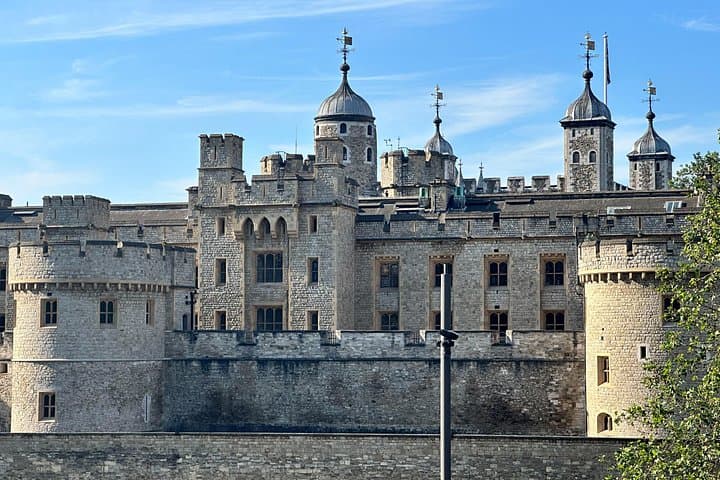
Built by William the Conqueror in the late 11th century, the Tower evolved from fortress to royal palace, mint, prison and public showpiece. Its stonework shows phases of Norman masonry, later Tudor additions and Victorian restoration; the Thames’ tidal silt nearby shaped its strategic placement. Cultural threads — the Yeoman Warders’ ceremonial role, the legends of the ravens, and the public spectacles once held within — give the site a civic life beyond displays.
Expect cobbled surfaces, narrow staircases and outdoor courtyards between indoor rooms. Children-friendly activities and storytelling keep the pace lively, but pre-booked entry does not guarantee bypassing security queues for the Crown Jewels. Bring warm layers in winter, a lightweight rain shell in unpredictable seasons, and plan for public transport to Tower Hill or a taxi drop at Petty Wales. Mobility constraints (cobbles, limited buggy access) mean strollers can be awkward; use buggy parks. With a practical guide, the Tower turns from museum into a place that teaches history by walking it.
moderate.
3 hours.
Suitable for people with moderate fitness: expect walking, stairs, and standing during exhibits.
No — you have pre-booked admission but cannot bypass security queues; your guide can help time the visit to reduce wait time.
Wheelchairs are usable in many areas but some parts have uneven cobbles and stairs; stroller access is limited and buggy parks are available in some locations.
Photography is not permitted inside the Jewel House; you can photograph many other Tower areas as allowed by signage.
Yes — the tour is designed for children older than five to participate fully, though younger kids can join but may not take part in all activities.
Originally begun by William the Conqueror in the 1070s, the Tower has served as fortress, royal palace, mint and prison, reflecting successive phases of English political life.
The Historic Royal Palaces charity manages preservation and visitor impact; stick to marked paths and discourage feeding wildlife to protect stonework and raven welfare.
Raphael Tours & Events operates guided outdoor trips and adventures with an emphasis on safety, stewardship, and memorable experiences.
You step out of the chill off the Thames and into a stone ring that has held kings, prisoners and crown regalia for nearly a thousand years. The Tower’s walls rise blunt and close; ravens hop along the ramparts as if daring you to find their stories. A private Blue Badge guide tailors the three-hour route so children stay curious: armor in the White Tower becomes a knight’s puzzle, the Medieval Palace comes alive with royal routines, and the Crown Jewels glint under museum lighting that hums with tight security.
You step out of the chill off the Thames and into a stone ring that has held kings, prisoners and crown regalia for nearly a thousand years. The Tower’s walls rise blunt and close; ravens hop along the ramparts as if daring you to find their stories. A private Blue Badge guide tailors the three-hour route so children stay curious: armor in the White Tower becomes a knight’s puzzle, the Medieval Palace comes alive with royal routines, and the Crown Jewels glint under museum lighting that hums with tight security.
Built by William the Conqueror in the late 11th century, the Tower evolved from fortress to royal palace, mint, prison and public showpiece. Its stonework shows phases of Norman masonry, later Tudor additions and Victorian restoration; the Thames’ tidal silt nearby shaped its strategic placement. Cultural threads — the Yeoman Warders’ ceremonial role, the legends of the ravens, and the public spectacles once held within — give the site a civic life beyond displays.
Expect cobbled surfaces, narrow staircases and outdoor courtyards between indoor rooms. Children-friendly activities and storytelling keep the pace lively, but pre-booked entry does not guarantee bypassing security queues for the Crown Jewels. Bring warm layers in winter, a lightweight rain shell in unpredictable seasons, and plan for public transport to Tower Hill or a taxi drop at Petty Wales. Mobility constraints (cobbles, limited buggy access) mean strollers can be awkward; use buggy parks. With a practical guide, the Tower turns from museum into a place that teaches history by walking it.