THE ADVENTURE COLLECTIVE® · Independent discovery and booking for outdoor travel

Step beyond the Tower’s gate to stand where crowns were kept and courts conspired. This guided three-hour experience pairs the Crown Jewels and White Tower with stories of intrigue, executions, and the ceremonial guardians who still patrol its walls.
Step beyond the Tower’s gate to stand where crowns were kept and courts conspired. This guided three-hour experience pairs the Crown Jewels and White Tower with stories of intrigue, executions, and the ceremonial guardians who still patrol its walls.
You step through the medieval gateway and the city’s pulse thins—stone walls close, ravens watch, and the Thames murmurs beyond the battlements. The Tower of London doesn't just sit on history; it keeps moving parts of it: armor clinks in the Armory, the Crown Jewels glitter under hush, and Yeoman Warders patrol with practiced ceremony.
Verified experiences and guided adventures in the surrounding area.
Operated by LetzGo City Tours GBP · London, England
You step through the medieval gateway and the city’s pulse thins—stone walls close, ravens watch, and the Thames murmurs beyond the battlements. The Tower of London doesn't just sit on history; it keeps moving parts of it: armor clinks in the Armory, the Crown Jewels glitter under hush, and Yeoman Warders patrol with practiced ceremony.
Built by William the Conqueror in the 1070s, the Tower evolved from Norman keep to royal residence, armoury, prison and execution site. Its white stone and concentric defenses reflect medieval military engineering while later Tudor additions speak to courtly life and intrigue. Cultural layers are visible in the Beefeaters' ritual, the sustained presence of ravens—once thought to protect the realm—and the Crown’s role in national mythology.
Expect close-up views of the White Tower, the Jewel House, and the ravens' roost. The guide will trace scandals from Anne Boleyn's fall to financial and dynastic plots that shaped monarchy and law, explaining artifacts and architectural changes along the way. Surfaces are uneven: cobbles, stairs, and narrow passageways demand steady footing.
Practical advice: arrive 15–20 minutes early with your timed ticket, carry a compact rain layer, and plan for at least three hours on site. Photography is allowed in many areas but restricted in the Jewels House; security screening is standard. If you prefer quieter moments, visit early in the morning or later in the afternoon when coach groups thin out.
This visit balances spectacle and scrutiny—an urban fortress that asks you to read its stones while keeping an eye on the crowns they once sheltered.
easy.
3 hours.
Suitable for most fitness levels; requires the ability to walk and stand for periods and climb stairs.
Yes—this tour includes entry to the Jewel House and timed access to view the Crown Jewels as part of the itinerary.
The site has uneven surfaces and many stairs; wheelchair access is limited in parts, so it’s not recommended for those needing mobility devices.
Plan for about three hours on the site to see the White Tower, Jewel House, Armory, ravens and battlements without rushing.
Yes—children are welcome but anyone under 18 must be accompanied by an adult; some stories and exhibits may be intense for very young visitors.
Constructed from the 1070s by William the Conqueror, the Tower has shifted from royal residence to fortress, prison and ceremonial site, reflecting the changing needs of English monarchy.
The Historic Royal Palaces charity manages the site with conservation programs to protect masonry, artifacts and the resident ravens while balancing public access.
LetzGo City Tours GBP operates guided outdoor trips and adventures with an emphasis on safety, stewardship, and memorable experiences.
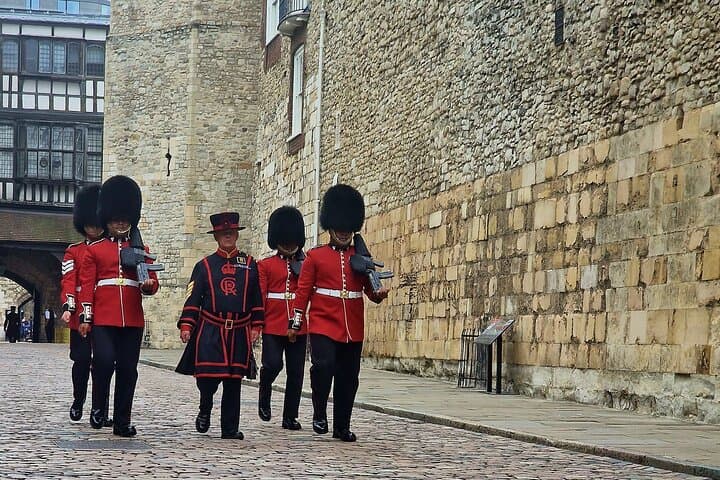
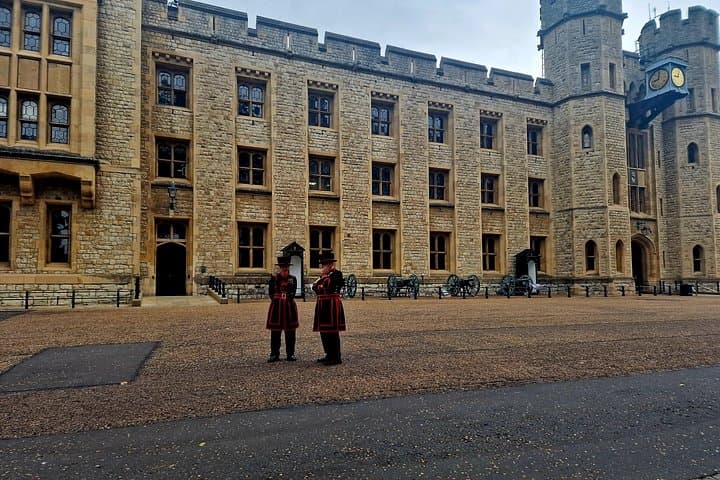
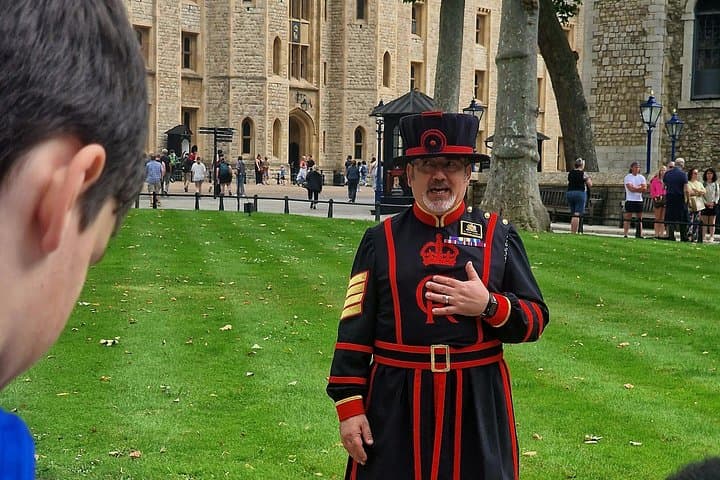
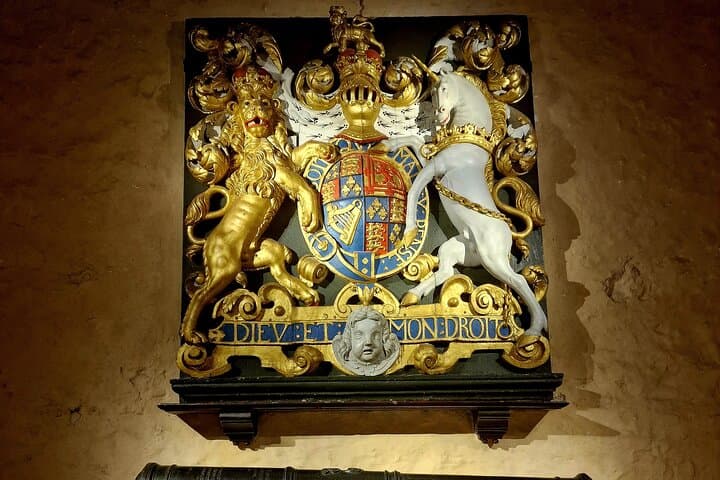
You step through the medieval gateway and the city’s pulse thins—stone walls close, ravens watch, and the Thames murmurs beyond the battlements. The Tower of London doesn't just sit on history; it keeps moving parts of it: armor clinks in the Armory, the Crown Jewels glitter under hush, and Yeoman Warders patrol with practiced ceremony.
You step through the medieval gateway and the city’s pulse thins—stone walls close, ravens watch, and the Thames murmurs beyond the battlements. The Tower of London doesn't just sit on history; it keeps moving parts of it: armor clinks in the Armory, the Crown Jewels glitter under hush, and Yeoman Warders patrol with practiced ceremony.
Built by William the Conqueror in the 1070s, the Tower evolved from Norman keep to royal residence, armoury, prison and execution site. Its white stone and concentric defenses reflect medieval military engineering while later Tudor additions speak to courtly life and intrigue. Cultural layers are visible in the Beefeaters' ritual, the sustained presence of ravens—once thought to protect the realm—and the Crown’s role in national mythology.
Expect close-up views of the White Tower, the Jewel House, and the ravens' roost. The guide will trace scandals from Anne Boleyn's fall to financial and dynastic plots that shaped monarchy and law, explaining artifacts and architectural changes along the way. Surfaces are uneven: cobbles, stairs, and narrow passageways demand steady footing.
Practical advice: arrive 15–20 minutes early with your timed ticket, carry a compact rain layer, and plan for at least three hours on site. Photography is allowed in many areas but restricted in the Jewels House; security screening is standard. If you prefer quieter moments, visit early in the morning or later in the afternoon when coach groups thin out.
This visit balances spectacle and scrutiny—an urban fortress that asks you to read its stones while keeping an eye on the crowns they once sheltered.