THE ADVENTURE COLLECTIVE® · Independent discovery and booking for outdoor travel

Walk between two of London’s most famous landmarks—explore the Crown Jewels and medieval ramparts at the Tower of London, then cross Tower Bridge to see Victorian engineering up close. Practical tips and what to expect for a 4–5 hour combined visit.
Walk between two of London’s most famous landmarks—explore the Crown Jewels and medieval ramparts at the Tower of London, then cross Tower Bridge to see Victorian engineering up close. Practical tips and what to expect for a 4–5 hour combined visit.
You step off the Thames-side street and the city’s layers press close: the squat, stone bulk of the Tower of London opposite the steel-and-stone sweep of Tower Bridge. Crowds thread between the two sites, and gulls wheel over the river as guides call out dates and names that have shaped England.
Verified experiences and guided adventures in the surrounding area.
Operated by Levifly UK · London, England
You step off the Thames-side street and the city’s layers press close: the squat, stone bulk of the Tower of London opposite the steel-and-stone sweep of Tower Bridge. Crowds thread between the two sites, and gulls wheel over the river as guides call out dates and names that have shaped England.
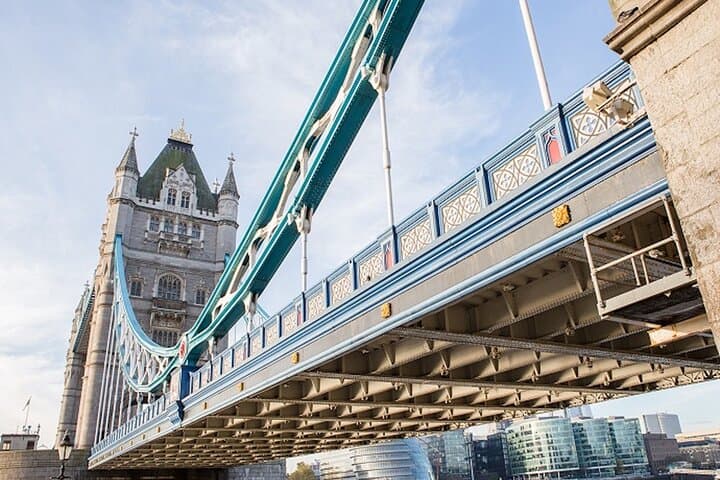
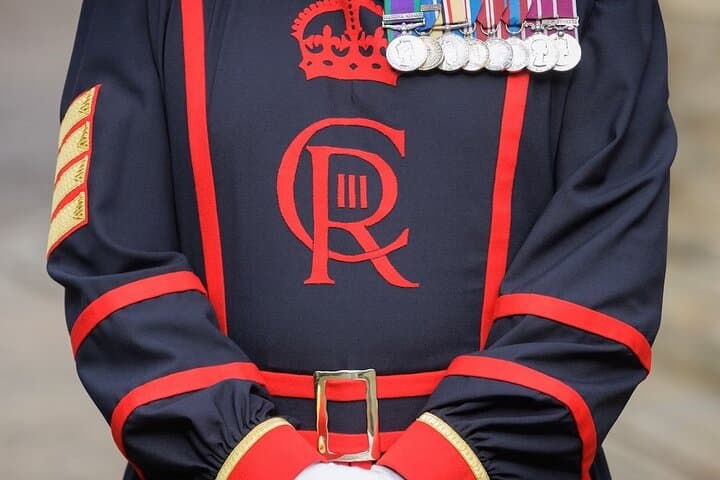
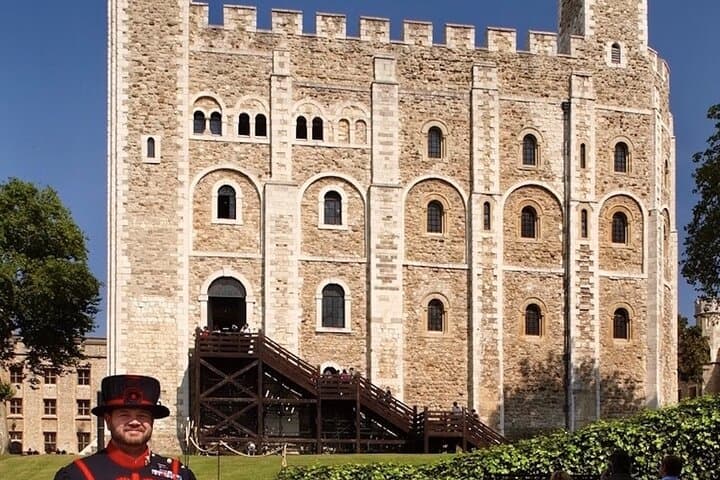
The Tower of London began as William the Conqueror’s fortress in the 11th century and later became a royal palace, prison and armory; its White Tower still bears medieval masonry and carved graffiti. Tower Bridge, completed in 1894, displays Victorian engineering—its bascules and high-level walkways were built to keep river traffic moving through an expanding industrial port. Between them you’ll find naval stories, ceremonial Beefeaters, and the famous ravens whose lore is woven into the fortress’s myth.
Expect two hours at each site: Crown Jewels viewing, battlement walks and the medieval wall route at the Tower; then the engine rooms, glass walkways and exhibition at Tower Bridge. The terrain is city pavement and stone steps—strollers and light mobility aids can navigate most areas, though some towers involve narrow staircases.
Practical notes: bring a printed or mobile ticket, allow time for security checks, and schedule visits earlier or late afternoon to avoid peak crowds. Use Oyster or contactless cards to reach the sites via the Tube or river buses. Stay aware of weather—London’s skies can change quickly—and plan a nearby café stop at St Katharine Docks to unwind after the walk.
easy.
4–5 hours.
Suitable for most fitness levels; involves standing, walking on pavement and climbing some stairs.
Plan on about 4–5 hours total: roughly two hours at each site, plus time for security checks and walking between them.
Yes — admission includes access to the Jewel House where the Crown Jewels are displayed, subject to standard viewing queues.
Most ground-floor areas at both sites are accessible, but some towers and walkways have steps; contact venues in advance for specific assistance.
Photography is allowed in many parts of both attractions, but some exhibits (including parts of the Crown Jewels display) restrict photography—follow posted signs and staff guidance.
The Tower began as William the Conqueror’s 11th-century keep and evolved through royal, military and prison uses; Tower Bridge’s bascules were engineered to balance river traffic with a growing industrial city in the late 19th century.
Both sites are managed to protect historic fabric and visitor capacity; visitors are encouraged to use public transport and follow site rules to reduce wear and support long-term preservation.
Levifly UK operates guided outdoor trips and adventures with an emphasis on safety, stewardship, and memorable experiences.

You step off the Thames-side street and the city’s layers press close: the squat, stone bulk of the Tower of London opposite the steel-and-stone sweep of Tower Bridge. Crowds thread between the two sites, and gulls wheel over the river as guides call out dates and names that have shaped England.
You step off the Thames-side street and the city’s layers press close: the squat, stone bulk of the Tower of London opposite the steel-and-stone sweep of Tower Bridge. Crowds thread between the two sites, and gulls wheel over the river as guides call out dates and names that have shaped England.
The Tower of London began as William the Conqueror’s fortress in the 11th century and later became a royal palace, prison and armory; its White Tower still bears medieval masonry and carved graffiti. Tower Bridge, completed in 1894, displays Victorian engineering—its bascules and high-level walkways were built to keep river traffic moving through an expanding industrial port. Between them you’ll find naval stories, ceremonial Beefeaters, and the famous ravens whose lore is woven into the fortress’s myth.
Expect two hours at each site: Crown Jewels viewing, battlement walks and the medieval wall route at the Tower; then the engine rooms, glass walkways and exhibition at Tower Bridge. The terrain is city pavement and stone steps—strollers and light mobility aids can navigate most areas, though some towers involve narrow staircases.
Practical notes: bring a printed or mobile ticket, allow time for security checks, and schedule visits earlier or late afternoon to avoid peak crowds. Use Oyster or contactless cards to reach the sites via the Tube or river buses. Stay aware of weather—London’s skies can change quickly—and plan a nearby café stop at St Katharine Docks to unwind after the walk.