THE ADVENTURE COLLECTIVE® · Independent discovery and booking for outdoor travel

Explore a compact fortress that holds the Crown Jewels and a millennium of British history. This guide explains what you’ll see, practical tips for visiting, and how to make the most of a two-hour visit.
Explore a compact fortress that holds the Crown Jewels and a millennium of British history. This guide explains what you’ll see, practical tips for visiting, and how to make the most of a two-hour visit.
You step off the Tube at Tower Hill and the city opens into stone and river: the Thames slips past like a long, gray ribbon daring you to look back. The Tower of London rises in compact, uncompromising blocks — the White Tower at its heart holding a thousand years of power and punishment.
Verified experiences and guided adventures in the surrounding area.
Operated by Golden Tours Gray Line London · London, Greater London
You step off the Tube at Tower Hill and the city opens into stone and river: the Thames slips past like a long, gray ribbon daring you to look back. The Tower of London rises in compact, uncompromising blocks — the White Tower at its heart holding a thousand years of power and punishment.
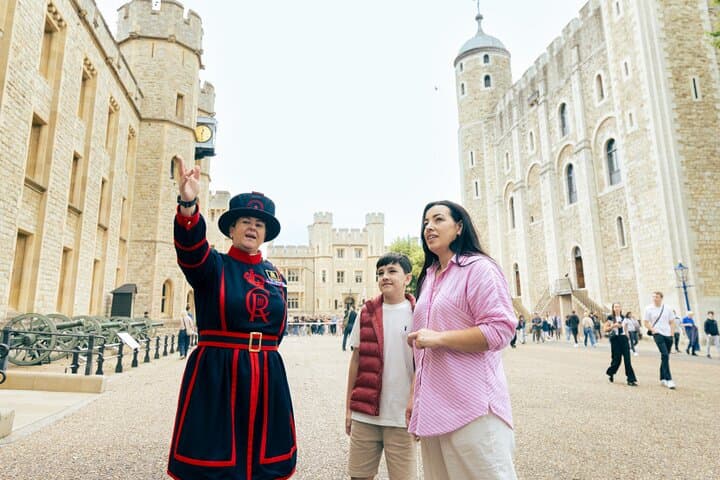
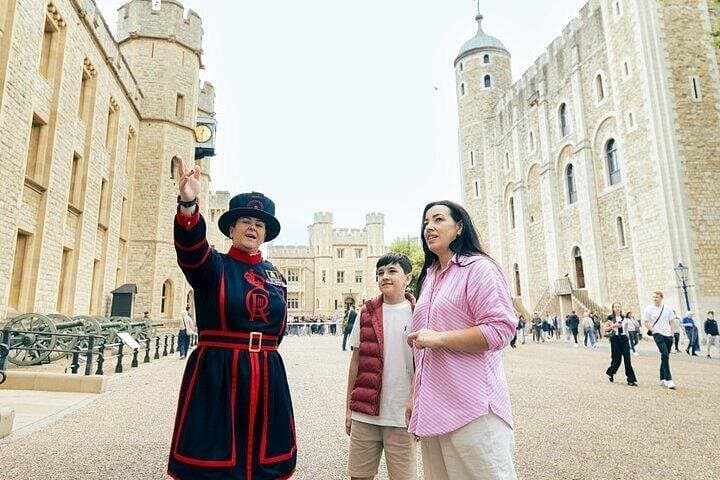
Built by William the Conqueror after 1066, the fortress has been palace, prison, armory and mint. Inside, the Crown Jewels glitter under museum lights while the Yeoman Warders — the traditional guardians visitors know as Beefeaters — offer measured narration that stitches royal ceremony to grisly tales of Tower Green. Geologically the site sits on London clay and reclaimed riverbank; the moat is now a memory but the walls still carry scars of medieval siegecraft.
Expect to encounter the Line of Kings display, the Medieval Palace rooms and the ravens that, by legend, keep the monarchy safe. The experience moves from close-up artifacts to expansive river views, giving a layered sense of London’s growth from Norman stronghold to modern metropolis.
Practical guidance: allow about two hours to see highlights; arrive early to avoid peak mid-day crowds. Security screening is standard and large bags may be searched; mobile or paper tickets are accepted. Wear comfortable walking shoes — cobbles and narrow towers demand steady footing — and bring weather layers for the exposed walls and riverside walk. Public transport is the easiest access; if you plan detailed photography or want to linger in quieter corners, target weekday mornings or later afternoons to beat the busiest tour groups.
easy.
2 hours.
Suitable for all fitness levels; requires ability to walk on uneven surfaces and climb stairs.
Most visitors spend about two hours to see the Crown Jewels, White Tower and key displays, though enthusiasts may linger longer.
Yes — mobile or paper tickets are accepted; keep your ticket ready for scanning at entry.
The Tower offers accessible routes for many areas but some towers and historic rooms have limited access; check availability and request assistance if needed.
Photography is allowed in designated areas but flash and tripods may be restricted; follow signage and staff directions.
Founded by William the Conqueror in the 11th century, the Tower has served as royal residence, prison, mint and home to the Crown Jewels.
Historic conservation is ongoing; visitor numbers are managed to protect fragile masonry and artifacts, so stick to paths and follow site rules to minimize impact.
Golden Tours Gray Line London operates guided outdoor trips and adventures with an emphasis on safety, stewardship, and memorable experiences.
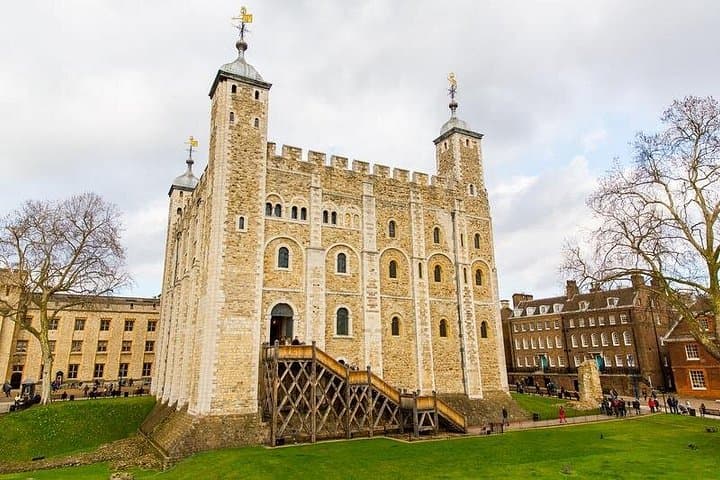
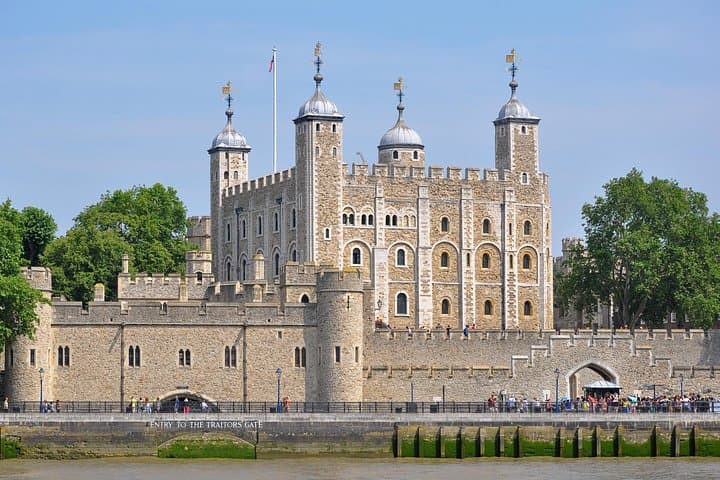
You step off the Tube at Tower Hill and the city opens into stone and river: the Thames slips past like a long, gray ribbon daring you to look back. The Tower of London rises in compact, uncompromising blocks — the White Tower at its heart holding a thousand years of power and punishment.
You step off the Tube at Tower Hill and the city opens into stone and river: the Thames slips past like a long, gray ribbon daring you to look back. The Tower of London rises in compact, uncompromising blocks — the White Tower at its heart holding a thousand years of power and punishment.
Built by William the Conqueror after 1066, the fortress has been palace, prison, armory and mint. Inside, the Crown Jewels glitter under museum lights while the Yeoman Warders — the traditional guardians visitors know as Beefeaters — offer measured narration that stitches royal ceremony to grisly tales of Tower Green. Geologically the site sits on London clay and reclaimed riverbank; the moat is now a memory but the walls still carry scars of medieval siegecraft.
Expect to encounter the Line of Kings display, the Medieval Palace rooms and the ravens that, by legend, keep the monarchy safe. The experience moves from close-up artifacts to expansive river views, giving a layered sense of London’s growth from Norman stronghold to modern metropolis.
Practical guidance: allow about two hours to see highlights; arrive early to avoid peak mid-day crowds. Security screening is standard and large bags may be searched; mobile or paper tickets are accepted. Wear comfortable walking shoes — cobbles and narrow towers demand steady footing — and bring weather layers for the exposed walls and riverside walk. Public transport is the easiest access; if you plan detailed photography or want to linger in quieter corners, target weekday mornings or later afternoons to beat the busiest tour groups.