THE ADVENTURE COLLECTIVE® · Independent discovery and booking for outdoor travel

Walk the glass floors and step into the Victorian Engine Rooms at Tower Bridge. This 90-minute visit combines panoramic city views with engineering history—ideal for visitors wanting a concise, accessible London landmark experience.
Walk the glass floors and step into the Victorian Engine Rooms at Tower Bridge. This 90-minute visit combines panoramic city views with engineering history—ideal for visitors wanting a concise, accessible London landmark experience.
The Thames pulls the city’s edges into motion and, at 42 metres above the river, Tower Bridge gives you a seat on the city’s moving skyline.
Verified experiences and guided adventures in the surrounding area.
Operated by Golden Tours Gray Line London · London, Greater London
The Thames pulls the city’s edges into motion and, at 42 metres above the river, Tower Bridge gives you a seat on the city’s moving skyline.
Start in the high-level Walkways where glass panels force a direct line of sight to the river below and panoramic frames of St Paul’s, The Shard, Canary Wharf and the Tower of London. Inside the neighbouring Engine Rooms, Victorian steam and diesel-era machinery hum with stories: this bridge took eight years to build and used over 11,000 tonnes of steel to marry form and function.
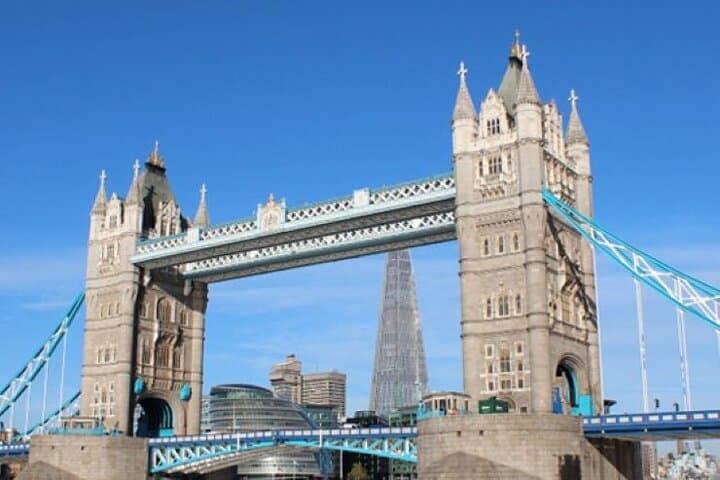
Built in the late 19th century to reconcile expanding river traffic with road connections, Tower Bridge is part engineering solution, part civic showpiece. The stonework borrows Gothic lines that complement nearby medieval and modern landmarks; beneath your feet the Thames has carved London’s trade routes for centuries, shaping neighborhoods like Bermondsey and Greenwich downstream.
Practicalities are straightforward. The standard visit runs about 90 minutes and includes access to the Walkways, glass floors and the Engine Rooms exhibition. Tickets are mobile-friendly and the site is wheelchair accessible, though the glass floor can be unsettling for those with a fear of heights. Peak visitor flow hits late morning and mid-afternoon; early weekdays or late afternoon give clearer views and shorter lines.
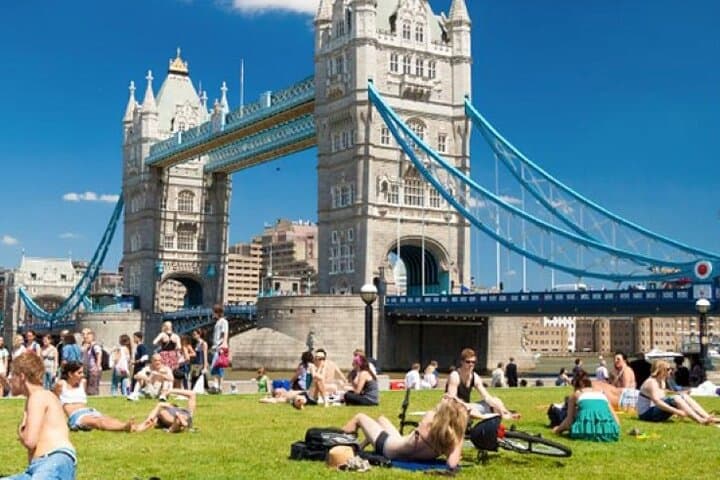
Bring comfortable shoes for steps and cobbles, plan transport with an Oyster or contactless card, and leave time to walk the south bank toward Potters Fields for an alternative angle on the bridge. Respect the displays, follow wayfinding signs and expect a blend of industrial history and sharp, urban vistas.
easy.
1–1.5 hours.
Suitable for all fitness levels; involves walking and stairs but no strenuous effort
Allow about 90 minutes to visit the Walkways, glass floor and Engine Rooms at a relaxed pace.
Yes—Tower Bridge provides wheelchair-accessible routes and services; check specific assistance needs when booking.
Yes—the glass is safe and maintained regularly, but visitors with height sensitivity should pick solid-floor viewing areas nearby.
No—mobile tickets are accepted; make sure your device is charged and the ticket QR code is accessible.
Completed in 1894 after eight years of construction, Tower Bridge combined bascule mechanics with Victorian ornament to keep river traffic moving while connecting new east London neighborhoods.
The bridge and its engine rooms are actively maintained by a conservation program; visitors are asked to stick to marked paths, avoid littering and respect exhibit protections to reduce wear on historic fabric.
Golden Tours Gray Line London operates guided outdoor trips and adventures with an emphasis on safety, stewardship, and memorable experiences.
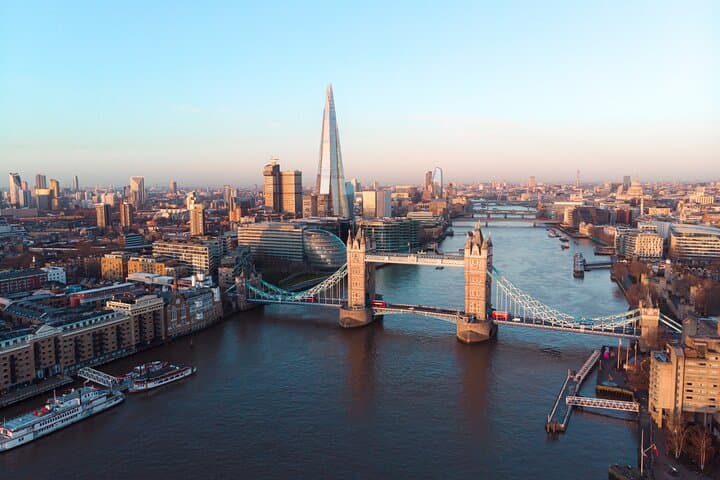
The Thames pulls the city’s edges into motion and, at 42 metres above the river, Tower Bridge gives you a seat on the city’s moving skyline.
The Thames pulls the city’s edges into motion and, at 42 metres above the river, Tower Bridge gives you a seat on the city’s moving skyline.
Start in the high-level Walkways where glass panels force a direct line of sight to the river below and panoramic frames of St Paul’s, The Shard, Canary Wharf and the Tower of London. Inside the neighbouring Engine Rooms, Victorian steam and diesel-era machinery hum with stories: this bridge took eight years to build and used over 11,000 tonnes of steel to marry form and function.
Built in the late 19th century to reconcile expanding river traffic with road connections, Tower Bridge is part engineering solution, part civic showpiece. The stonework borrows Gothic lines that complement nearby medieval and modern landmarks; beneath your feet the Thames has carved London’s trade routes for centuries, shaping neighborhoods like Bermondsey and Greenwich downstream.
Practicalities are straightforward. The standard visit runs about 90 minutes and includes access to the Walkways, glass floors and the Engine Rooms exhibition. Tickets are mobile-friendly and the site is wheelchair accessible, though the glass floor can be unsettling for those with a fear of heights. Peak visitor flow hits late morning and mid-afternoon; early weekdays or late afternoon give clearer views and shorter lines.
Bring comfortable shoes for steps and cobbles, plan transport with an Oyster or contactless card, and leave time to walk the south bank toward Potters Fields for an alternative angle on the bridge. Respect the displays, follow wayfinding signs and expect a blend of industrial history and sharp, urban vistas.