THE ADVENTURE COLLECTIVE® · Independent discovery and booking for outdoor travel

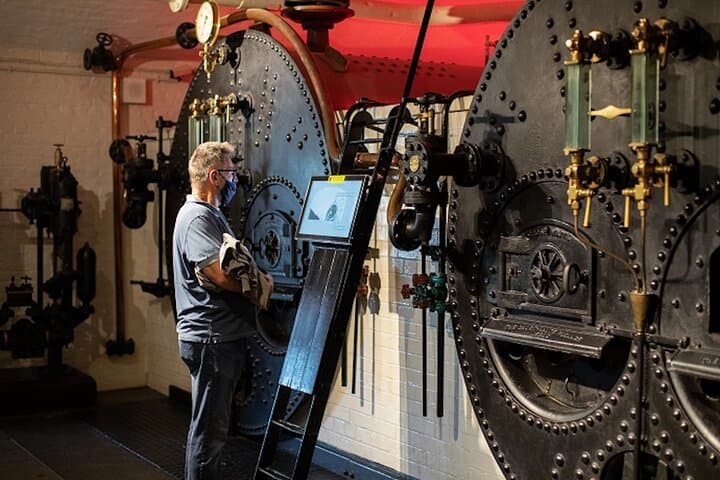
Walk the glass skyways of Tower Bridge and descend into the Victorian Engine Rooms to see the original mechanics that lifted the bascules. This 60–120 minute visit mixes engineering history with prime views over the River Thames.
Walk the glass skyways of Tower Bridge and descend into the Victorian Engine Rooms to see the original mechanics that lifted the bascules. This 60–120 minute visit mixes engineering history with prime views over the River Thames.
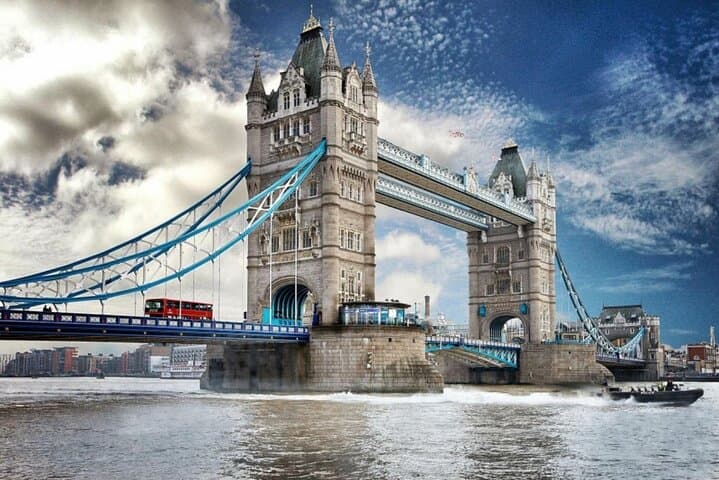
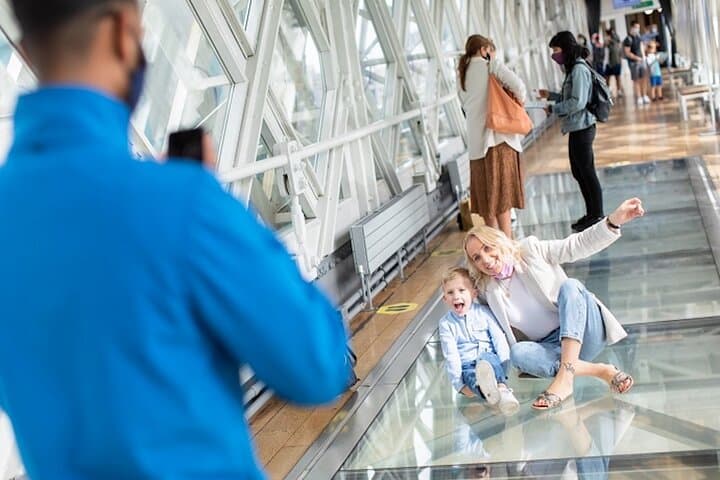
Step onto the high-level glass walkway and the city rearranges itself beneath you—the River Thames a restless ribbon that nudges the bridge’s piers, office towers tilting toward the water and boats threading the channel like small, determined ships.
Verified experiences and guided adventures in the surrounding area.
Operated by Levifly UK · London, Greater London
Step onto the high-level glass walkway and the city rearranges itself beneath you—the River Thames a restless ribbon that nudges the bridge’s piers, office towers tilting toward the water and boats threading the channel like small, determined ships.
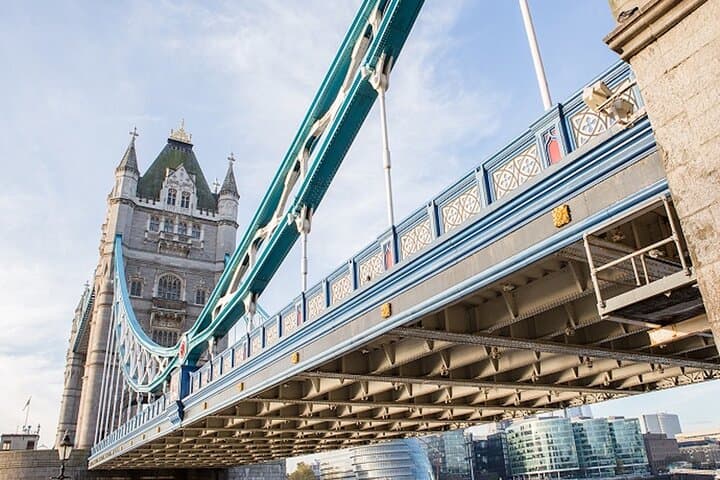
Completed in 1894 by architect Sir Horace Jones and engineer John Wolfe-Barry, Tower Bridge is a late-Victorian bascule and suspension bridge built to solve a practical problem: allow tall ships through while keeping a road link across the Thames. The brick-and-steel towers rest on riverbed foundations carved into soft Thames silt; that same shifting geology shaped London’s docks and trade patterns for centuries. Inside, the Victorian Engine Rooms are preserved examples of steam-era machinery that once powered the lift—an industrial chapter of London’s growth.
Practical guidance matters here. Allow 60–120 minutes to move through the exhibition, stand on the glass for skyline photos and then descend to the Engine Rooms to follow the mechanics from coal and steam to modern hydraulics. Book a timed ticket to avoid lines; mid-morning on weekdays is quieter. Most surfaces and the walkways are wheelchair accessible, but the glass section can be busy and startling for nervous visitors. Bring a light layer—the Thames corridor can be windier than streets a block away—and a small camera with a wide lens for cityscapes.
The visit balances an architectural close-up with sweeping views; it’s part museum, part viewpoint. For travelers who want history and a clear vantage point over the river, Tower Bridge delivers efficient access to London’s waterfront story.
easy.
1–2 hours.
Suitable for all fitness levels; involves walking and some standing on viewing platforms.
Plan 60–120 minutes to view the glass walkways, read exhibits and tour the Victorian Engine Rooms at a relaxed pace.
Yes—public areas and exhibitions are wheelchair accessible; staff can advise on elevator routes and assistance if needed.
Photography is allowed; bring a wide lens for cityscapes and watch for reflections—tripods and professional setups may require permission.
Children are welcome and strollers are permitted; the glass panels can be surprising for some young visitors, so supervise closely.
Tower Bridge opened in 1894 as a combined bascule and suspension bridge; its engine rooms originally used steam power to lift the bascules and allow tall ships to pass.
Ongoing maintenance preserves the bridge’s historic fabric while modern systems reduce environmental impact; visitors are asked to follow site rules to limit wear on original features.
Levifly UK operates guided outdoor trips and adventures with an emphasis on safety, stewardship, and memorable experiences.
Step onto the high-level glass walkway and the city rearranges itself beneath you—the River Thames a restless ribbon that nudges the bridge’s piers, office towers tilting toward the water and boats threading the channel like small, determined ships.
Step onto the high-level glass walkway and the city rearranges itself beneath you—the River Thames a restless ribbon that nudges the bridge’s piers, office towers tilting toward the water and boats threading the channel like small, determined ships.
Completed in 1894 by architect Sir Horace Jones and engineer John Wolfe-Barry, Tower Bridge is a late-Victorian bascule and suspension bridge built to solve a practical problem: allow tall ships through while keeping a road link across the Thames. The brick-and-steel towers rest on riverbed foundations carved into soft Thames silt; that same shifting geology shaped London’s docks and trade patterns for centuries. Inside, the Victorian Engine Rooms are preserved examples of steam-era machinery that once powered the lift—an industrial chapter of London’s growth.
Practical guidance matters here. Allow 60–120 minutes to move through the exhibition, stand on the glass for skyline photos and then descend to the Engine Rooms to follow the mechanics from coal and steam to modern hydraulics. Book a timed ticket to avoid lines; mid-morning on weekdays is quieter. Most surfaces and the walkways are wheelchair accessible, but the glass section can be busy and startling for nervous visitors. Bring a light layer—the Thames corridor can be windier than streets a block away—and a small camera with a wide lens for cityscapes.
The visit balances an architectural close-up with sweeping views; it’s part museum, part viewpoint. For travelers who want history and a clear vantage point over the river, Tower Bridge delivers efficient access to London’s waterfront story.