THE ADVENTURE COLLECTIVE® · Independent discovery and booking for outdoor travel

Walk Toulouse from the Place du Capitole to the Garonne with a private guide who brings the city’s Roman roots, medieval churches and pastel-era mansions to life. Expect 3–4 hours of cobbled streets, river views and market stops at a relaxed pace.
Walk Toulouse from the Place du Capitole to the Garonne with a private guide who brings the city’s Roman roots, medieval churches and pastel-era mansions to life. Expect 3–4 hours of cobbled streets, river views and market stops at a relaxed pace.
You step onto the Place du Capitole as the city wakes: a broad plaza paved with stone, the warm brick façades catching early light, and the murmur of cafés pulling the day forward. The guide falls into step beside you, and the city begins to speak — in carved tympanums, bell towers and riverside views.
Verified experiences and guided adventures in the surrounding area.
Operated by Olga Valmer · Toulouse, Occitanie
You step onto the Place du Capitole as the city wakes: a broad plaza paved with stone, the warm brick façades catching early light, and the murmur of cafés pulling the day forward. The guide falls into step beside you, and the city begins to speak — in carved tympanums, bell towers and riverside views.
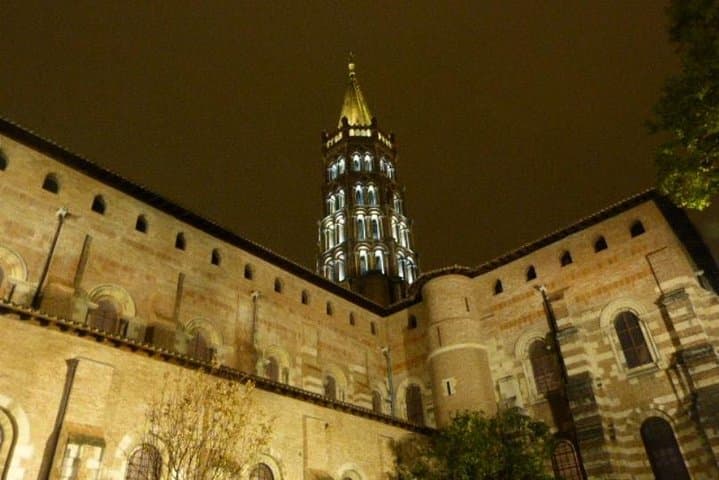
This private walking tour threads through Toulouse’s layered past: Roman foundations beneath medieval streets, the pink brick (brique rose) born of Garonne clay, and Renaissance mansions financed by the pastel dye trade that made the city wealthy in the 16th century. Highlights include the Capitol’s grand courtyard and the Salle des Illustres, the Romanesque bulk of Basilique Saint-Sernin — a major stop on the Camino de Santiago — and the austere Gothic of the Jacobins with its palm-vaulted ceiling and relics of Thomas Aquinas.
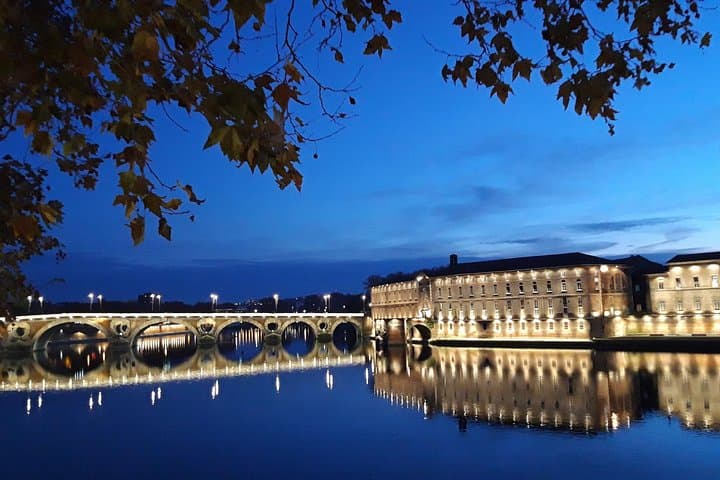
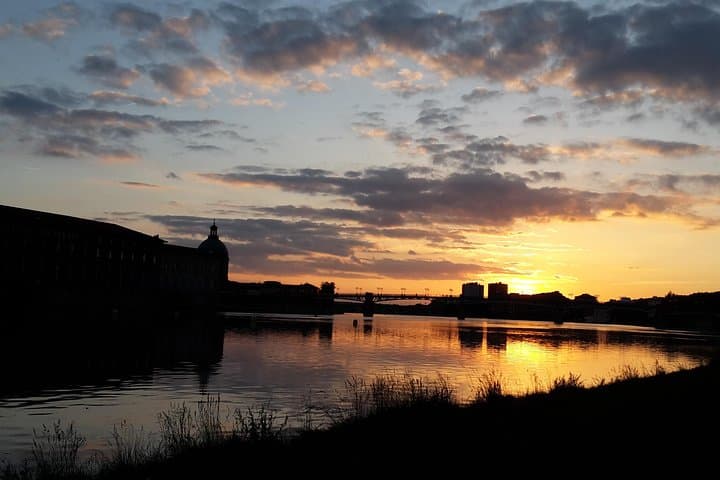
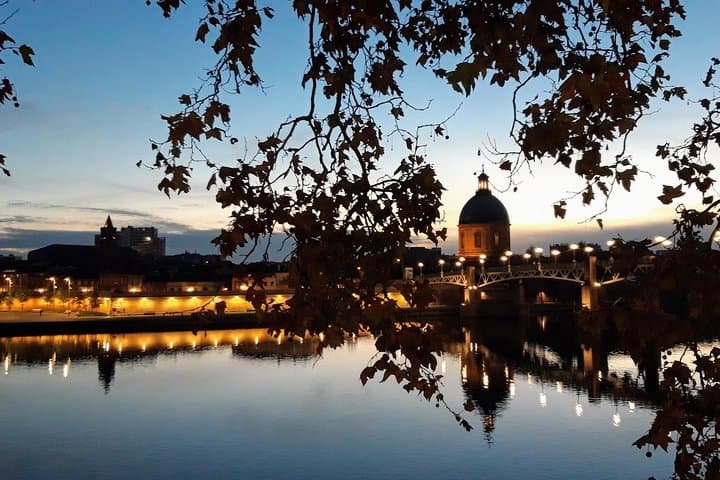
Strolling the Garonne’s quays offers a different lesson: bridges that mark industrial and civic change, the dome of La Grave catching the light, and markets where local producers still shape daily life. Pop into the Hôtel d’Assézat’s hidden courtyard to see a merchant’s wealth turned into refined architecture, or time your visit for the Carmes market to sample regional cheeses and sausages.
Practical note: this private tour lasts about 3–4 hours and moves at a gentle pace, but covers cobblestones, narrow lanes and riverfront promenades. Wear supportive shoes, bring water and a light layer for winds off the river, and plan museum stops around opening hours. Booking a private guide gives flexibility — you can end the walk anywhere in the city center to continue exploring on your own.
easy.
3–4 hours.
Suitable for most fitness levels; involves standing and walking on uneven cobbles for several hours.
The standard tour runs about 3–4 hours but as a private tour it can be shortened or extended to fit your timing and interests.
Admission fees are not included by default; guides can arrange visits upon request but you may need to purchase tickets separately.
Many city-center streets are accessible, but cobbles and steps at some sites can be challenging; contact the operator to plan an accessible route.
Yes — private tours are flexible and the guide can arrange different pickup or drop-off points within the city center upon prior request.
Toulouse grew wealthy on the pastel dye trade in the 16th century; its distinctive pink brick comes from local alluvial clay and became a regional architectural hallmark.
Touring on foot minimizes impact; support local markets and small businesses to keep the city’s cultural economy resilient and reduce tourism pressure on fragile sites.
Olga Valmer operates guided outdoor trips and adventures with an emphasis on safety, stewardship, and memorable experiences.
You step onto the Place du Capitole as the city wakes: a broad plaza paved with stone, the warm brick façades catching early light, and the murmur of cafés pulling the day forward. The guide falls into step beside you, and the city begins to speak — in carved tympanums, bell towers and riverside views.
You step onto the Place du Capitole as the city wakes: a broad plaza paved with stone, the warm brick façades catching early light, and the murmur of cafés pulling the day forward. The guide falls into step beside you, and the city begins to speak — in carved tympanums, bell towers and riverside views.
This private walking tour threads through Toulouse’s layered past: Roman foundations beneath medieval streets, the pink brick (brique rose) born of Garonne clay, and Renaissance mansions financed by the pastel dye trade that made the city wealthy in the 16th century. Highlights include the Capitol’s grand courtyard and the Salle des Illustres, the Romanesque bulk of Basilique Saint-Sernin — a major stop on the Camino de Santiago — and the austere Gothic of the Jacobins with its palm-vaulted ceiling and relics of Thomas Aquinas.
Strolling the Garonne’s quays offers a different lesson: bridges that mark industrial and civic change, the dome of La Grave catching the light, and markets where local producers still shape daily life. Pop into the Hôtel d’Assézat’s hidden courtyard to see a merchant’s wealth turned into refined architecture, or time your visit for the Carmes market to sample regional cheeses and sausages.
Practical note: this private tour lasts about 3–4 hours and moves at a gentle pace, but covers cobblestones, narrow lanes and riverfront promenades. Wear supportive shoes, bring water and a light layer for winds off the river, and plan museum stops around opening hours. Booking a private guide gives flexibility — you can end the walk anywhere in the city center to continue exploring on your own.