THE ADVENTURE COLLECTIVE® · Independent discovery and booking for outdoor travel

An eight-day trek from Kasindi to the high Rwenzori moraine, this route climbs to about 4,350 m and offers a rare chance to touch glacier snow, drink from Black and Green lakes, and traverse alpine heaths. Expect steep, wet trails, basic huts, and expert guides with porters and rangers.
An eight-day trek from Kasindi to the high Rwenzori moraine, this route climbs to about 4,350 m and offers a rare chance to touch glacier snow, drink from Black and Green lakes, and traverse alpine heaths. Expect steep, wet trails, basic huts, and expert guides with porters and rangers.
Dawn lifts a cold blue across the Rwenzori ridgeline and the trail swallows the first headlamps as porters shoulder packs and rangers check ropes. You start in the humid foothills—banana gardens, burbling streams—then climb through bamboo groves into looser, high-altitude heath where lobelia and giant groundsels loom like prehistoric plants.
Verified experiences and guided adventures in the surrounding area.
Operated by Kwafrika Travel · Mutwanga, North Kivu
Dawn lifts a cold blue across the Rwenzori ridgeline and the trail swallows the first headlamps as porters shoulder packs and rangers check ropes. You start in the humid foothills—banana gardens, burbling streams—then climb through bamboo groves into looser, high-altitude heath where lobelia and giant groundsels loom like prehistoric plants.
The range itself is geologically young, uplifted by the same tectonic forces that carved the Albertine Rift; glaciers on the highest summits are relics of a cooling past, shrinking each decade. Culturally the slopes belong to Nande communities—villages at the lower elevations practice farming and herbal medicine and offer the chance to learn local songs and dishes during the itinerary’s final day.
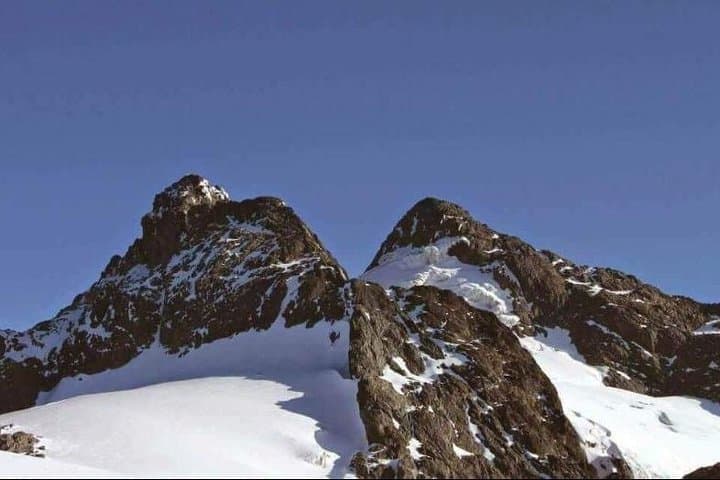
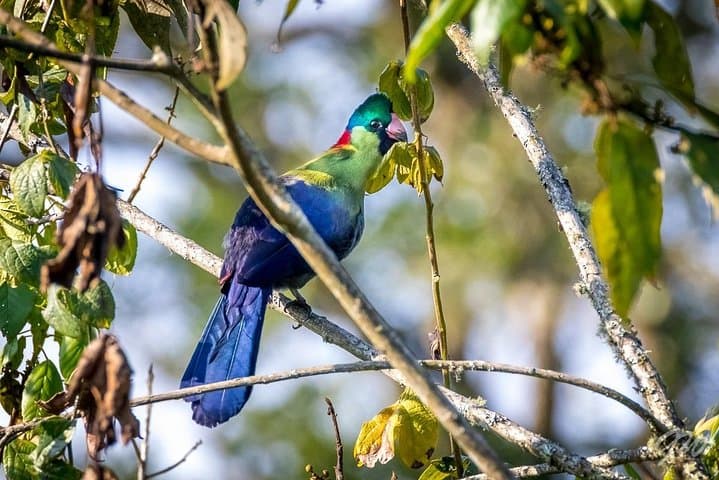
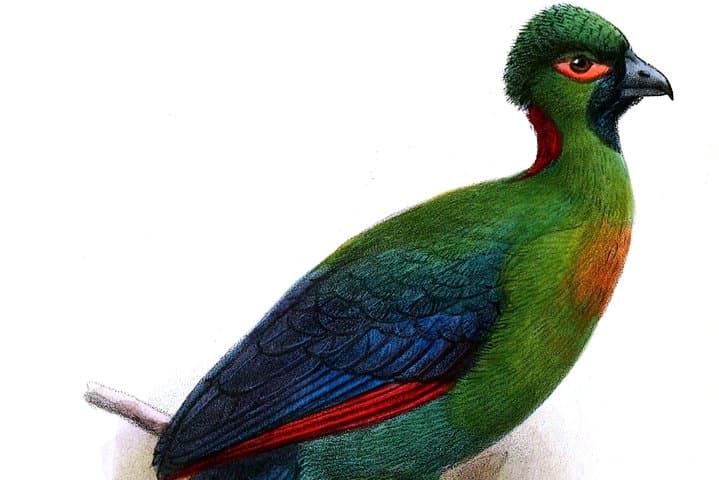
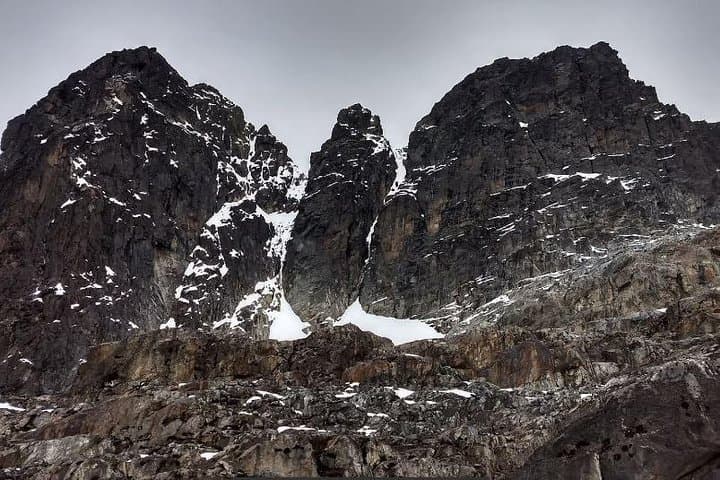
Wildlife is subtle: Rwenzori turacos flash green through mist, colobus and guereza monkeys call from canopy gaps, and Jackson’s chameleon may cling to a branch if you pause quietly. The highlight is the moraine approach at roughly 4,350 m where trekkers can reach snow and the edge of a glacier, then drink from the strikingly colored Black and Green lakes below.
Practically: this is a multi-day, high-elevation trek over rough, often wet terrain with basic hut accommodations. Guides, porters, and an armed ranger accompany groups; some technical gear (crampons, ropes) is provided but climbers should be familiar with basic crampon and rope use and bring high-quality boots, layered cold-weather clothing, and a warm sleeping bag. Allow time to acclimatize, expect slow, steady pacing, and prepare for rapidly changing weather—sun one hour, sleet the next.
difficult.
8 days (approx. 6–8 hours daily on trekking days).
Requires excellent cardiovascular fitness and experience with sustained uphill hiking; able to carry a daypack and walk consecutive days at altitude.
You don’t need formal mountaineering certification, but you should have extensive multi-day hiking experience and be comfortable with exposure, basic rope/crampon use, and high-altitude conditions.
Accommodations are basic mountain huts and mid-range tented camp at the trailhead; expect shared sleeping spaces and simple meals prepared by a private cook.
Guides supply some technical gear (crampons, ropes, harnesses, carabiners) but participants must bring quality boots, a warm sleeping bag, and appropriate personal clothing.
Treks include an armed ranger, professional guide, and porters; standard park rules—keeping distance from wildlife and storing food properly—are enforced for safety.
The Rwenzori have long been home to local Nande communities and were first sighted by European explorers in the late 19th century; peaks like Margherita (Pic Marguerite) were climbed for scientific and colonial-era exploration.
The Rwenzori glaciers are retreating due to climate change; visitors are urged to follow Leave No Trace principles and respect fragile alpine vegetation to minimize impact.
Kwafrika Travel operates guided outdoor trips and adventures with an emphasis on safety, stewardship, and memorable experiences.
Dawn lifts a cold blue across the Rwenzori ridgeline and the trail swallows the first headlamps as porters shoulder packs and rangers check ropes. You start in the humid foothills—banana gardens, burbling streams—then climb through bamboo groves into looser, high-altitude heath where lobelia and giant groundsels loom like prehistoric plants.
Dawn lifts a cold blue across the Rwenzori ridgeline and the trail swallows the first headlamps as porters shoulder packs and rangers check ropes. You start in the humid foothills—banana gardens, burbling streams—then climb through bamboo groves into looser, high-altitude heath where lobelia and giant groundsels loom like prehistoric plants.
The range itself is geologically young, uplifted by the same tectonic forces that carved the Albertine Rift; glaciers on the highest summits are relics of a cooling past, shrinking each decade. Culturally the slopes belong to Nande communities—villages at the lower elevations practice farming and herbal medicine and offer the chance to learn local songs and dishes during the itinerary’s final day.
Wildlife is subtle: Rwenzori turacos flash green through mist, colobus and guereza monkeys call from canopy gaps, and Jackson’s chameleon may cling to a branch if you pause quietly. The highlight is the moraine approach at roughly 4,350 m where trekkers can reach snow and the edge of a glacier, then drink from the strikingly colored Black and Green lakes below.
Practically: this is a multi-day, high-elevation trek over rough, often wet terrain with basic hut accommodations. Guides, porters, and an armed ranger accompany groups; some technical gear (crampons, ropes) is provided but climbers should be familiar with basic crampon and rope use and bring high-quality boots, layered cold-weather clothing, and a warm sleeping bag. Allow time to acclimatize, expect slow, steady pacing, and prepare for rapidly changing weather—sun one hour, sleet the next.