THE ADVENTURE COLLECTIVE® · Independent discovery and booking for outdoor travel

A compact, three-day trek from Imlil to the summit of Jebel Toubkal (4,167 m) that pairs high-alpine scenery with Berber hospitality. Expect long hiking days, rocky passes, and a rewarding non-technical summit.
A compact, three-day trek from Imlil to the summit of Jebel Toubkal (4,167 m) that pairs high-alpine scenery with Berber hospitality. Expect long hiking days, rocky passes, and a rewarding non-technical summit.
Daybreak breaks over Imlil and the Atlas wakes like a quiet machine—mules shuffle, Berber guides tighten packs, and the trail peels away into scree and terraced fields. On this three-day route you climb from village paths to alpine rock, crossing the Ighouliden waterfalls and the Azzaden Valley before spending a night in the stone refuge below Jebel Toubkal.
Verified experiences and guided adventures in the surrounding area.
Operated by View Morocco - DMC Adventure Travel Company · Imlil, Marrakesh-Safi
Daybreak breaks over Imlil and the Atlas wakes like a quiet machine—mules shuffle, Berber guides tighten packs, and the trail peels away into scree and terraced fields. On this three-day route you climb from village paths to alpine rock, crossing the Ighouliden waterfalls and the Azzaden Valley before spending a night in the stone refuge below Jebel Toubkal.
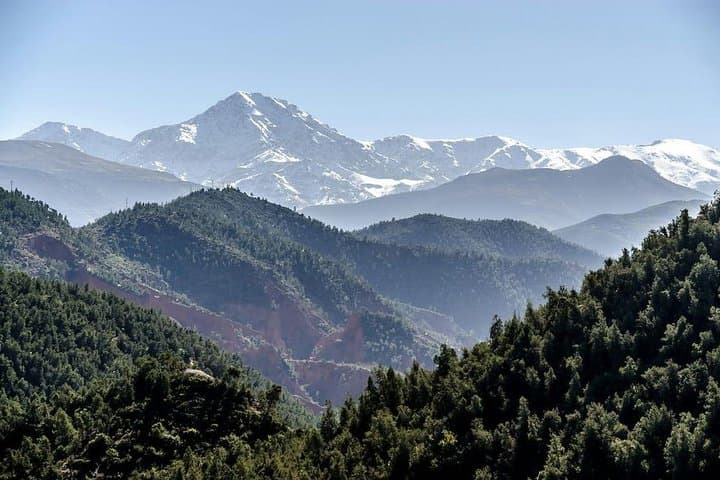
The High Atlas is recent geology in mountain terms: uplifted sedimentary and volcanic rock carved by glacial action into sharp cols and broad basins. The cultural layer is equally visible—Amazigh (Berber) communities maintain irrigation terraces and mountain shepherding traditions that have routed passage through these valleys for centuries.
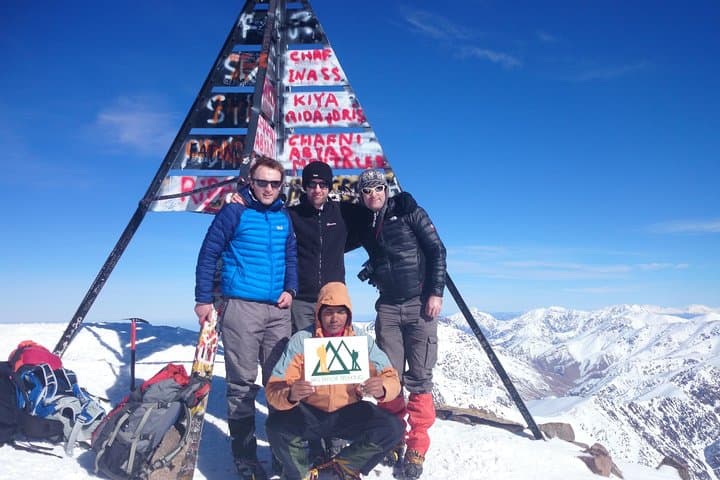
Expect varied terrain: dirt tracks and mule paths, steep switchbacks, loose scree near passes, and a final non-technical but sustained ascent to 4,167 m. Typical itinerary notes: ~6 hours of hiking into Azib Tamsoult (day 1), a push over Aguelzim Pass to Toubkal Refuge at ~3,207 m (day 2), and an early 8–9 hour summit day with roughly +900 m ascent and a long descent to Imlil (day 3).
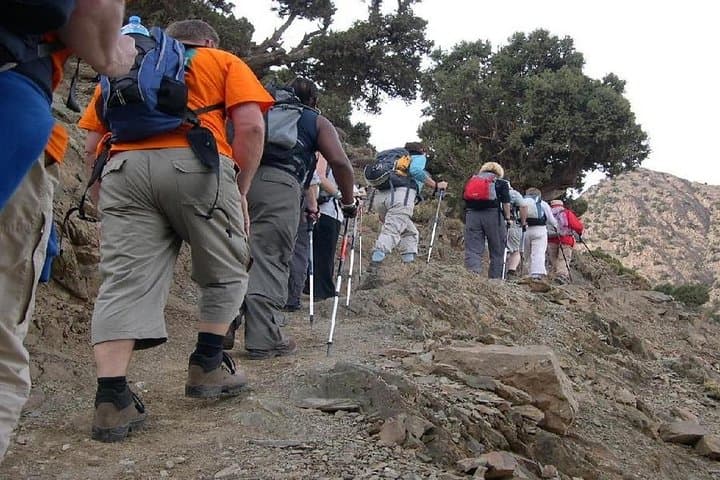
Practical guidance: pace conservatively for altitude, carry layers and a windproof shell, and use trekking poles for steep descents. Hydrate often—water sources are present but treat or refill at refuge points. Weather changes fast above 3,000 m; plan pre-dawn starts for the summit and leave extra time for slower-than-expected group members. Guides and mules simplify logistics, but bring a small daypack for summit-day essentials and a solid pair of boots with firm ankle support.
challenging.
3 days (approx. 72 hours).
Good aerobic fitness with experience on multi-day hikes; ability to hike 6–9 hours on steep, uneven trails and tolerate altitude.
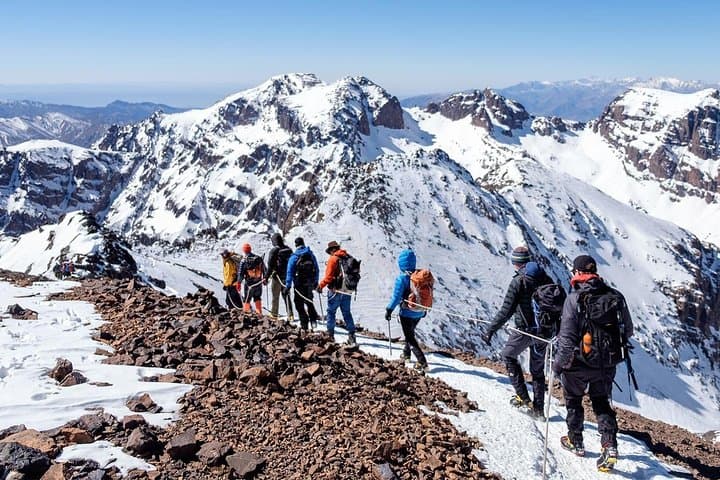
No technical gear is required in summer for the standard route—this is a steep, non-technical trek; crampons and ice axe may be needed in winter or heavy snow.
Expect 8–9 hours with about 900 m of ascent and a long descent; it’s strenuous and requires steady pacing and good footwear.
Acute mountain sickness can occur; ascend slowly, stay hydrated, and communicate symptoms to guides—descend if symptoms worsen.
Mule support typically carries larger bags between trailheads and refuges; confirm weight limits with your operator prior to departure.
Local Amazigh communities have guided trade and pastoral routes through the High Atlas for centuries; Toubkal was first summited in the 1920s by European climbers guided by local residents.
High foot traffic on popular routes stresses fragile alpine soils and spring water sources—stick to established paths, pack out waste, and use refill stations where provided.
View Morocco - DMC Adventure Travel Company operates guided outdoor trips and adventures with an emphasis on safety, stewardship, and memorable experiences.
Daybreak breaks over Imlil and the Atlas wakes like a quiet machine—mules shuffle, Berber guides tighten packs, and the trail peels away into scree and terraced fields. On this three-day route you climb from village paths to alpine rock, crossing the Ighouliden waterfalls and the Azzaden Valley before spending a night in the stone refuge below Jebel Toubkal.
Daybreak breaks over Imlil and the Atlas wakes like a quiet machine—mules shuffle, Berber guides tighten packs, and the trail peels away into scree and terraced fields. On this three-day route you climb from village paths to alpine rock, crossing the Ighouliden waterfalls and the Azzaden Valley before spending a night in the stone refuge below Jebel Toubkal.
The High Atlas is recent geology in mountain terms: uplifted sedimentary and volcanic rock carved by glacial action into sharp cols and broad basins. The cultural layer is equally visible—Amazigh (Berber) communities maintain irrigation terraces and mountain shepherding traditions that have routed passage through these valleys for centuries.
Expect varied terrain: dirt tracks and mule paths, steep switchbacks, loose scree near passes, and a final non-technical but sustained ascent to 4,167 m. Typical itinerary notes: ~6 hours of hiking into Azib Tamsoult (day 1), a push over Aguelzim Pass to Toubkal Refuge at ~3,207 m (day 2), and an early 8–9 hour summit day with roughly +900 m ascent and a long descent to Imlil (day 3).
Practical guidance: pace conservatively for altitude, carry layers and a windproof shell, and use trekking poles for steep descents. Hydrate often—water sources are present but treat or refill at refuge points. Weather changes fast above 3,000 m; plan pre-dawn starts for the summit and leave extra time for slower-than-expected group members. Guides and mules simplify logistics, but bring a small daypack for summit-day essentials and a solid pair of boots with firm ankle support.