THE ADVENTURE COLLECTIVE® · Independent discovery and booking for outdoor travel

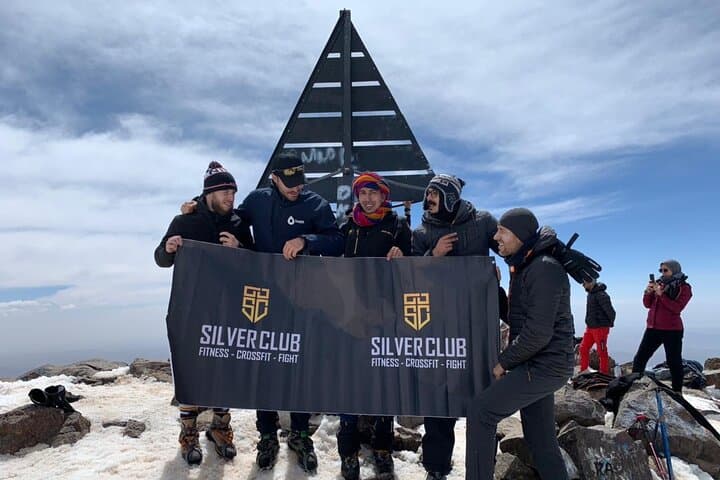
A three-day guided climb from Marrakech to the summit of Jebel Toubkal (4,167 m). Move through Imlil Valley, sleep in the high refuge, and make an early dawn summit push across scree and granite cirques.
A three-day guided climb from Marrakech to the summit of Jebel Toubkal (4,167 m). Move through Imlil Valley, sleep in the high refuge, and make an early dawn summit push across scree and granite cirques.
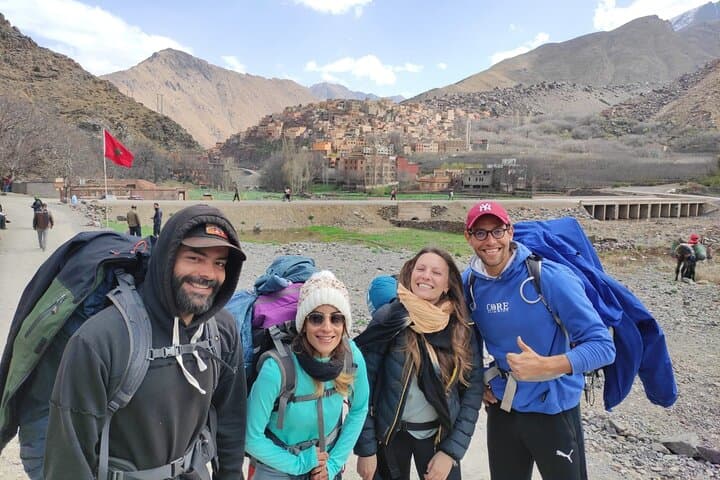
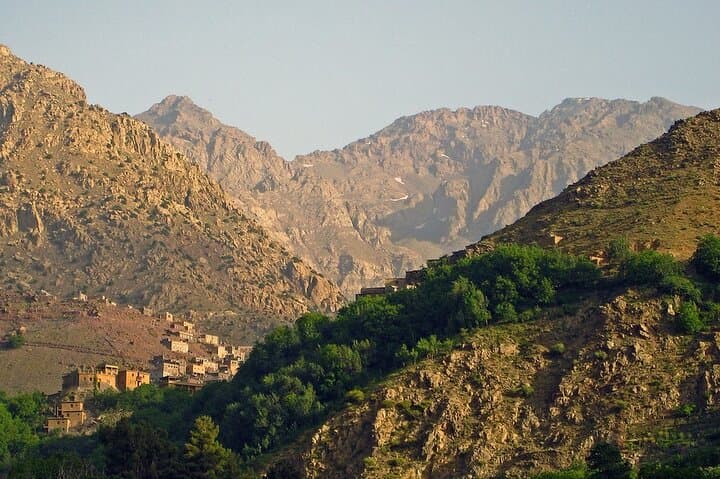
A pre-dawn van slips out of Marrakech and the city lights peel away as the High Atlas grows in silhouette. By mid-morning you step into Imlil’s braided mule tracks, cold air and the river daring you to move faster; terraces and stone Berber homes give way to scree and the granite cirques of Toubkal.
Verified experiences and guided adventures in the surrounding area.
Operated by Morocco Treasure · Imlil, Marrakesh-Safi
A pre-dawn van slips out of Marrakech and the city lights peel away as the High Atlas grows in silhouette. By mid-morning you step into Imlil’s braided mule tracks, cold air and the river daring you to move faster; terraces and stone Berber homes give way to scree and the granite cirques of Toubkal.
Geology here is blunt and honest: ancient granite and schist raised by tectonics and carved by glacial action, producing steep bowls and loose talus that demand concentration. Culturally, the trail threads through village life—Aremd’s stacked houses, the shrine of Sidi Chamarouch where pilgrims still leave coins, and the quiet hospitality of Berber guides who share stories around the refuge stove.
The ascent from the Toubkal refuge to 4,167 m is straightforward on a map but tests breath and balance; expect long switchbacks, scree fields and panoramic exits over the Marrakesh plain, the Anti-Atlas, and—on clear days—the edge of the Sahara.
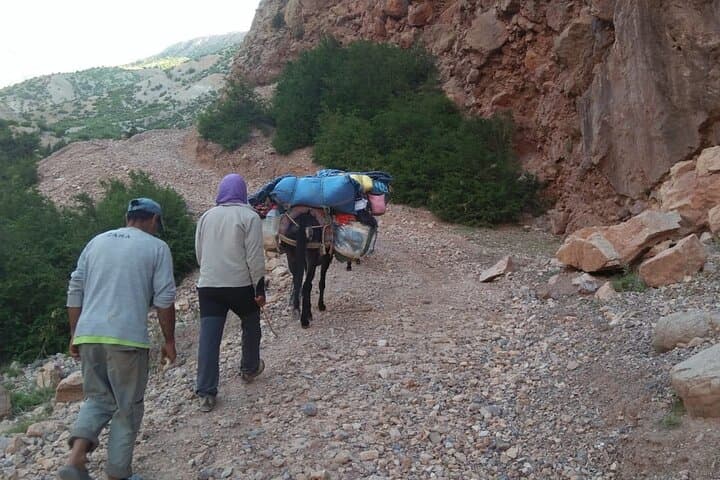
Practical guidance: acclimatize in Imlil, drink often, and start the summit push before first light to avoid afternoon wind and unstable scree. Pack layering for big temperature swings, use trekking poles on scree, and rely on your guide for route-finding and pacing. Mules carry luggage, but your summit pack should be light and include water, sun protection, and a warm shell.
This three-day rhythm—transfer, climb, descend—balances effort and conversation, wildlife sightings and village detours, giving beginners a guided path to North Africa’s highest peak while keeping safety and stewardship front and center.
challenging.
3 days.
Moderate to high cardiovascular fitness; ability to hike 6–8 hours with elevation gain and on loose scree.
The route is non-technical but demanding due to altitude and loose scree; beginners with good fitness and a guide can complete it over three days.
Mild symptoms are possible; drink water, ascend slowly, and notify your guide if you feel severe headache, nausea, or dizziness—descent is the cure.
Yes—the Toubkal Refuge provides dormitory-style bunks and simple meals; expect communal sleeping and rustic facilities.
Yes—mules typically carry luggage and food to the refuge; you should carry a light daypack for the summit push.
Jebel Toubkal is the highest peak in North Africa and has long been part of local Berber routes; Sidi Chamarouch remains a regional pilgrimage site.
Trail erosion and water scarcity are concerns; stick to marked trails, minimize campfire use, and support local guides who practice low-impact travel.
Morocco Treasure operates guided outdoor trips and adventures with an emphasis on safety, stewardship, and memorable experiences.
A pre-dawn van slips out of Marrakech and the city lights peel away as the High Atlas grows in silhouette. By mid-morning you step into Imlil’s braided mule tracks, cold air and the river daring you to move faster; terraces and stone Berber homes give way to scree and the granite cirques of Toubkal.
A pre-dawn van slips out of Marrakech and the city lights peel away as the High Atlas grows in silhouette. By mid-morning you step into Imlil’s braided mule tracks, cold air and the river daring you to move faster; terraces and stone Berber homes give way to scree and the granite cirques of Toubkal.
Geology here is blunt and honest: ancient granite and schist raised by tectonics and carved by glacial action, producing steep bowls and loose talus that demand concentration. Culturally, the trail threads through village life—Aremd’s stacked houses, the shrine of Sidi Chamarouch where pilgrims still leave coins, and the quiet hospitality of Berber guides who share stories around the refuge stove.
The ascent from the Toubkal refuge to 4,167 m is straightforward on a map but tests breath and balance; expect long switchbacks, scree fields and panoramic exits over the Marrakesh plain, the Anti-Atlas, and—on clear days—the edge of the Sahara.
Practical guidance: acclimatize in Imlil, drink often, and start the summit push before first light to avoid afternoon wind and unstable scree. Pack layering for big temperature swings, use trekking poles on scree, and rely on your guide for route-finding and pacing. Mules carry luggage, but your summit pack should be light and include water, sun protection, and a warm shell.
This three-day rhythm—transfer, climb, descend—balances effort and conversation, wildlife sightings and village detours, giving beginners a guided path to North Africa’s highest peak while keeping safety and stewardship front and center.