THE ADVENTURE COLLECTIVE® · Independent discovery and booking for outdoor travel

Float in warm, mineral-rich mud at El Totumo, a compact mud volcano near Cartagena that locals have long used for skin treatments. This practical guide covers what to expect, logistics, and tips to make the visit smooth and respectful.
Float in warm, mineral-rich mud at El Totumo, a compact mud volcano near Cartagena that locals have long used for skin treatments. This practical guide covers what to expect, logistics, and tips to make the visit smooth and respectful.
A thin road from Cartagena hums with motored life until the countryside opens and a low, crater-like hill appears, steamless and strange. You climb roughly 50 uneven steps and the volcano's rim looms—less a mountain, more a warm, dense pool that pulls you in more by curiosity than gravity.
Verified experiences and guided adventures in the surrounding area.
Operated by Backpackers Travels S. A. S · Santa Catalina, Bolívar
A thin road from Cartagena hums with motored life until the countryside opens and a low, crater-like hill appears, steamless and strange. You climb roughly 50 uneven steps and the volcano's rim looms—less a mountain, more a warm, dense pool that pulls you in more by curiosity than gravity.
Geology here is simple: El Totumo is a mud cone fed by subterranean hydrothermal activity, not lava, so the ‘eruption’ is viscous, mineral-rich mud. Locals have drawn visitors for decades, trading hands-on services—mud massages, lake rinses, small photographs—for modest tips. The nearby village of Santa Catalina and La Boquilla contribute culture: traditional Afro-Caribbean music, mangrove fisheries, and coastal cooking are part of the fuller day option.
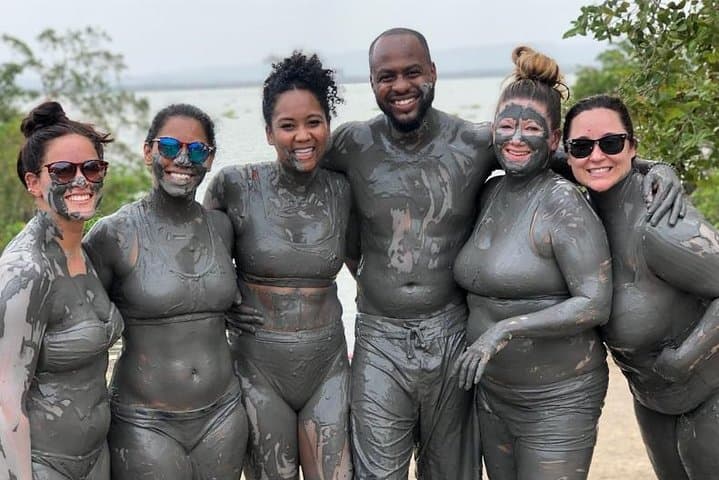
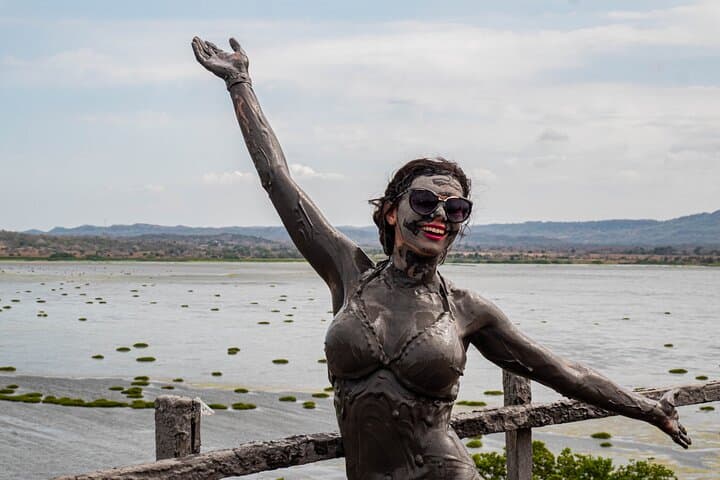
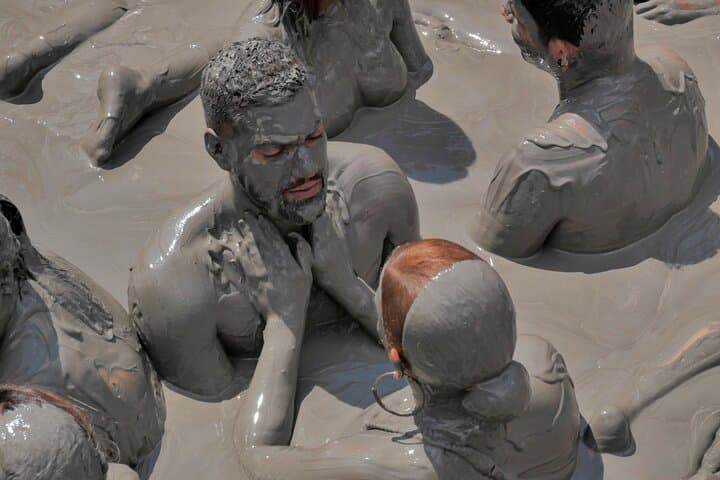
Expect to float almost effortlessly in clay-thick mud, then walk a few steps to a freshwater lake to rinse. Optional local massages and cleaning services are common and typically cost a couple of dollars. Hotel pickup and an air-conditioned transfer are usually included.
Practical edge: arrive in old swimwear or quick-dry clothing, bring small bills for local services, and secure valuables in the vehicle used for storage. Avoid the mud if you are pregnant or have serious back problems. Sunscreen, light footwear for wet paths, and a towel will make the transition from mud to lake simpler.
This is a short, hands-on ritual: earthy, social, and unglamorous in a way that makes it undeniably memorable—equal parts local economy and natural oddity. Plan for crowds during peak hours; choose an early slot for cooler weather and calmer groups.
easy.
9 hours (includes roundtrip transfer; half-day options available).
Suitable for most fitness levels; you should be able to climb ~50 uneven steps and step in/out of shallow mud and lake water
Generally yes for healthy adults; the activity is low-impact but not recommended for pregnant travelers or people with serious spinal or mobility issues—follow operator guidance.
You typically spend about 45–90 minutes on-site (including ascent, mud bath, and rinse); the full tour including transfers can be around 9 hours, with shorter morning or afternoon options returning earlier.
Yes—local massages, photos, and lake cleaning are usually offered for small fees (roughly $2 USD each); tipping is common but voluntary and supports the local community.
Operators recommend leaving valuables in the vehicle; bring only minimal, inexpensive items into the mud to avoid loss or damage, and keep electronics secured and dry.
El Totumo has been a local curiosity for generations; the mud cone formed from subsurface hydrothermal activity and became a community livelihood after visitors began arriving in the 20th century.
Tourism supports the village economy but can stress local resources; avoid soaps in the rinse lake, respect tip-based services, and carry out all trash to reduce impact.
Backpackers Travels S. A. S operates guided outdoor trips and adventures with an emphasis on safety, stewardship, and memorable experiences.
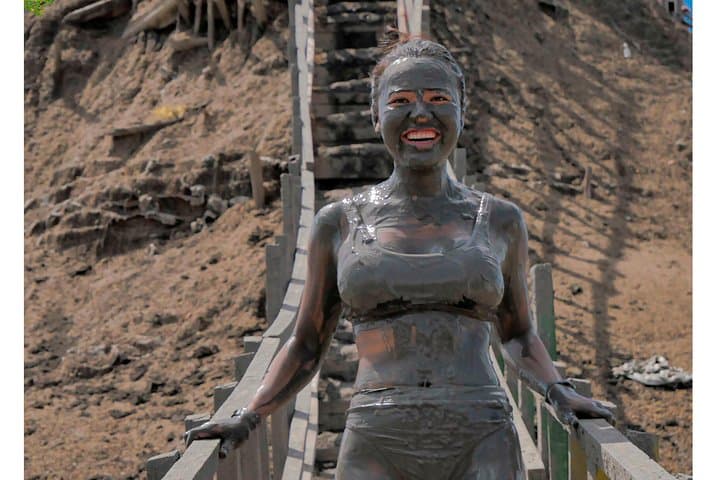
A thin road from Cartagena hums with motored life until the countryside opens and a low, crater-like hill appears, steamless and strange. You climb roughly 50 uneven steps and the volcano's rim looms—less a mountain, more a warm, dense pool that pulls you in more by curiosity than gravity.
A thin road from Cartagena hums with motored life until the countryside opens and a low, crater-like hill appears, steamless and strange. You climb roughly 50 uneven steps and the volcano's rim looms—less a mountain, more a warm, dense pool that pulls you in more by curiosity than gravity.
Geology here is simple: El Totumo is a mud cone fed by subterranean hydrothermal activity, not lava, so the ‘eruption’ is viscous, mineral-rich mud. Locals have drawn visitors for decades, trading hands-on services—mud massages, lake rinses, small photographs—for modest tips. The nearby village of Santa Catalina and La Boquilla contribute culture: traditional Afro-Caribbean music, mangrove fisheries, and coastal cooking are part of the fuller day option.
Expect to float almost effortlessly in clay-thick mud, then walk a few steps to a freshwater lake to rinse. Optional local massages and cleaning services are common and typically cost a couple of dollars. Hotel pickup and an air-conditioned transfer are usually included.
Practical edge: arrive in old swimwear or quick-dry clothing, bring small bills for local services, and secure valuables in the vehicle used for storage. Avoid the mud if you are pregnant or have serious back problems. Sunscreen, light footwear for wet paths, and a towel will make the transition from mud to lake simpler.
This is a short, hands-on ritual: earthy, social, and unglamorous in a way that makes it undeniably memorable—equal parts local economy and natural oddity. Plan for crowds during peak hours; choose an early slot for cooler weather and calmer groups.