THE ADVENTURE COLLECTIVE® · Independent discovery and booking for outdoor travel

Float in warm mineral mud at Totumo, then watch the salt flats tip the sea pink at Mar Rosa. This half-day excursion from Cartagena pairs a hands-on wellness experience with rare coastal color — ideal for travelers on a short schedule.
Float in warm mineral mud at Totumo, then watch the salt flats tip the sea pink at Mar Rosa. This half-day excursion from Cartagena pairs a hands-on wellness experience with rare coastal color — ideal for travelers on a short schedule.
You climb a rough wooden stair into a shallow crater of warm gray mud, the air thick with brine and sun. Hands scrape the rim as a guide helps you down; you sink until the mud holds you buoyant and every ripple feels like a slow exhale. Later, a ribbon of salt pans opens into a surprising sweep of rose water, where evaporating salt and microscopic algae push color into the shallows.
Verified experiences and guided adventures in the surrounding area.
Operated by Que hay pa' hacer en cartagena · Cartagena, Bolívar
You climb a rough wooden stair into a shallow crater of warm gray mud, the air thick with brine and sun. Hands scrape the rim as a guide helps you down; you sink until the mud holds you buoyant and every ripple feels like a slow exhale. Later, a ribbon of salt pans opens into a surprising sweep of rose water, where evaporating salt and microscopic algae push color into the shallows.
The Totumo mud volcano is a small volcanic cone formed by gases forcing up mineral-rich mud; locals have used the baths for decades for skin care and folklore cures. Galerazamba’s pink sea is shaped by coastal salt flats and seasonal salinity shifts — when the pans concentrate, the water shifts toward a blush driven by salt-loving microorganisms and sunlight.
Culturally this is rural Caribbean Colombia: anglers, salt workers, and small coastal towns where seafood and stories travel hand in hand. Geologically it’s simple and striking — low-relief volcanic mud, tidal marshes, and human-made salinas creating the pink spectacle.
Plan for hot, humid conditions and easy but uneven terrain: a rustic staircase at the mud volcano, sandy tracks by the salt flats, and quiet beaches for a final stop. Bring a change of clothes, waterproof bag for electronics, biodegradable sunscreen, and cash for tips and small purchases. Tours run about 4–5 hours from Cartagena with air-conditioned transport and a provided lunch; it’s accessible for most fitness levels but expect slippery steps and salty wind. Time your visit in the dry season (roughly December–April) for the clearest pink hues and easier road access.
easy.
4–5 hours.
Suitable for most fitness levels; requires climbing a short rustic staircase and standing in mud or on sandy ground.
The tour lasts about 4–5 hours from Cartagena, including transport, visits to the mud volcano, Mar Rosa salt flats, and a beach stop, plus lunch.
Most people can safely participate; however, pregnant visitors and those with open wounds or certain skin conditions should avoid the mud bath — check with your guide or a physician.
The pink color fluctuates with salinity, light, and season; it’s most vivid in the dry season when evaporation concentrates salt, typically December–April.
Yes — roundtrip transportation from central Cartagena is typically included and provided in an air-conditioned vehicle; confirm pickup point at booking.
Galerazamba and the surrounding marshes have long supported salt extraction and fishing; the Totumo mud baths are rooted in local medicinal traditions and have grown into a regional attraction.
The area’s salt flats and mangroves are sensitive; use biodegradable sunscreen, avoid disturbing salt pans, and follow guide instructions to minimize impact.
Que hay pa' hacer en cartagena operates guided outdoor trips and adventures with an emphasis on safety, stewardship, and memorable experiences.
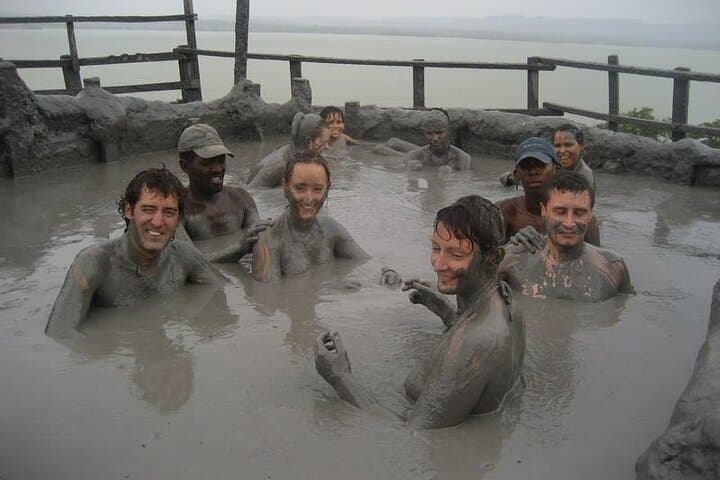
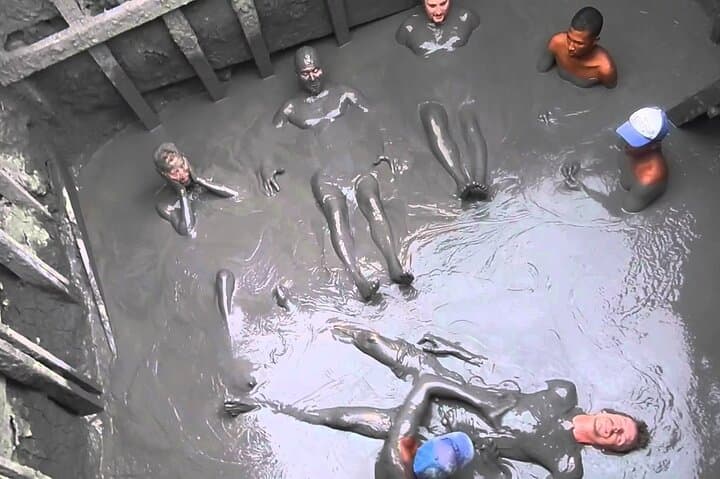
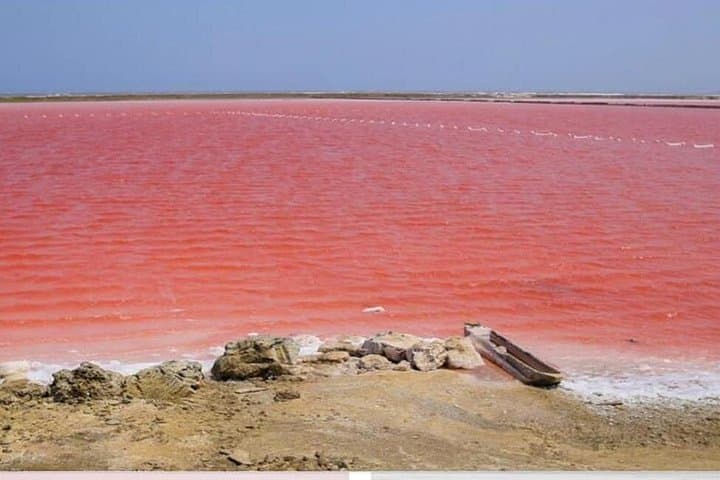
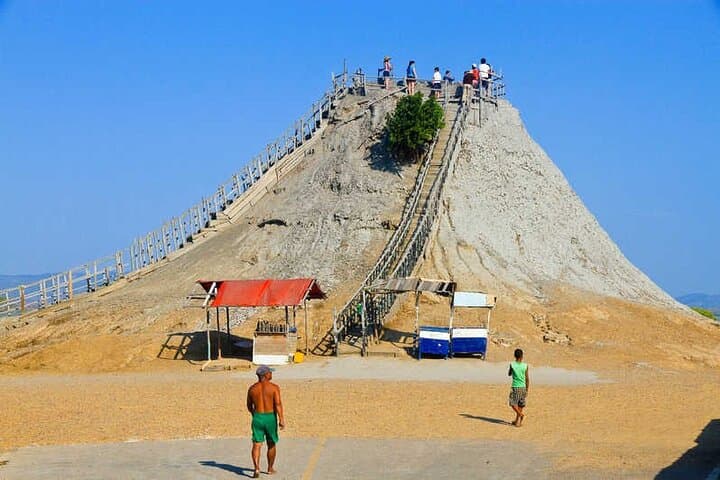
You climb a rough wooden stair into a shallow crater of warm gray mud, the air thick with brine and sun. Hands scrape the rim as a guide helps you down; you sink until the mud holds you buoyant and every ripple feels like a slow exhale. Later, a ribbon of salt pans opens into a surprising sweep of rose water, where evaporating salt and microscopic algae push color into the shallows.
You climb a rough wooden stair into a shallow crater of warm gray mud, the air thick with brine and sun. Hands scrape the rim as a guide helps you down; you sink until the mud holds you buoyant and every ripple feels like a slow exhale. Later, a ribbon of salt pans opens into a surprising sweep of rose water, where evaporating salt and microscopic algae push color into the shallows.
The Totumo mud volcano is a small volcanic cone formed by gases forcing up mineral-rich mud; locals have used the baths for decades for skin care and folklore cures. Galerazamba’s pink sea is shaped by coastal salt flats and seasonal salinity shifts — when the pans concentrate, the water shifts toward a blush driven by salt-loving microorganisms and sunlight.
Culturally this is rural Caribbean Colombia: anglers, salt workers, and small coastal towns where seafood and stories travel hand in hand. Geologically it’s simple and striking — low-relief volcanic mud, tidal marshes, and human-made salinas creating the pink spectacle.
Plan for hot, humid conditions and easy but uneven terrain: a rustic staircase at the mud volcano, sandy tracks by the salt flats, and quiet beaches for a final stop. Bring a change of clothes, waterproof bag for electronics, biodegradable sunscreen, and cash for tips and small purchases. Tours run about 4–5 hours from Cartagena with air-conditioned transport and a provided lunch; it’s accessible for most fitness levels but expect slippery steps and salty wind. Time your visit in the dry season (roughly December–April) for the clearest pink hues and easier road access.