THE ADVENTURE COLLECTIVE® · Independent discovery and booking for outdoor travel

Board a handwoven totora catamaran on Piuray Lagoon for a half-day cultural and nature tour from Cusco. Learn reed-crafting, local history, and enjoy calm paddling at high altitude.
Board a handwoven totora catamaran on Piuray Lagoon for a half-day cultural and nature tour from Cusco. Learn reed-crafting, local history, and enjoy calm paddling at high altitude.
The water waits flat and cool at Piuray; wind-stiff reeds hum against a hand-stitched catamaran made from totora, the same bulrushes Andean people have used for centuries. You step aboard with a local guide, the village of Pongo Bamba unfolding in low stone houses behind you and the raw sweep of the Sacred Valley rising in stepped terraces toward snow-capped peaks.
Verified experiences and guided adventures in the surrounding area.
Operated by Machupicchu USA · Cusco, Cusco
The water waits flat and cool at Piuray; wind-stiff reeds hum against a hand-stitched catamaran made from totora, the same bulrushes Andean people have used for centuries. You step aboard with a local guide, the village of Pongo Bamba unfolding in low stone houses behind you and the raw sweep of the Sacred Valley rising in stepped terraces toward snow-capped peaks.
This is an experience rooted in pre-Columbian practice: totora craft predates the Inca and was refined into lightweight, buoyant boats for lakes and slow-moving rivers. Geologically this highland basin sits at roughly 3,700 m (12,140 ft), a glacially influenced landscape where shallow wetlands collect runoff from the surrounding Andes. Culturally the tour focuses on community life—harvesting reeds, boat-building techniques and local stories tied to the lagoon’s rhythm.
Expect a calm, observational outing rather than whitewater drama: a half-day loop with gentle paddling, pauses for explanation and quiet vantage points for birding or photography. Altitude shapes the pace; guides set a relaxed tempo and provide local context. Practicalities are straightforward—hotel pickup in Cusco, bilingual guiding and entrance fees included—but bring sun protection, layers for wind on open water, and extra water to counter high-altitude dryness.
For travelers curious about living traditions and accessible watercraft heritage, the totora boat tour offers both tactile history and a manageable outdoor half-day. It’s ideal for those acclimatized to Cusco who want a different angle on the Sacred Valley: slower, close to water, and focused on local knowledge rather than long trekking or technical skills.
moderate.
5 hours.
Suitable for travelers in reasonable shape but expect easier pace due to high altitude; brief walking and boarding required.
The tour lasts about five hours with hotel pickup around 8:30 AM from central Cusco; return is mid-afternoon to San Francisco/Cusco Plaza.
Yes—physically easy boarding and gentle paddling make it accessible, though altitude and boat stability should be considered for very young children or those with mobility limits.
No—guides manage the boat and provide instruction; the outing is low-effort and focused on observation and short paddling stints.
Guides speak English and Spanish, and entrance fees and local transfers are included in the tour price per the itinerary.
Totora reed craft predates the Inca and was widely used by Andean lakeshore communities for transport and fishing.
The lagoon’s wetland habitat is sensitive to runoff and tourism; stick to designated landing spots and avoid disturbing reed beds during harvest.
Machupicchu USA operates guided outdoor trips and adventures with an emphasis on safety, stewardship, and memorable experiences.
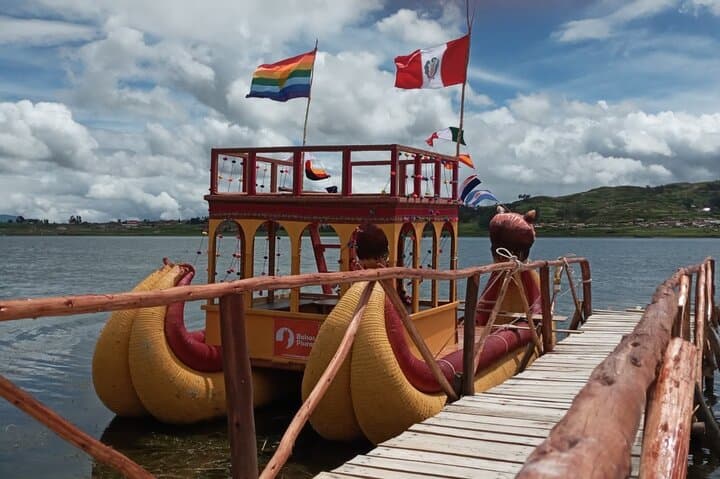
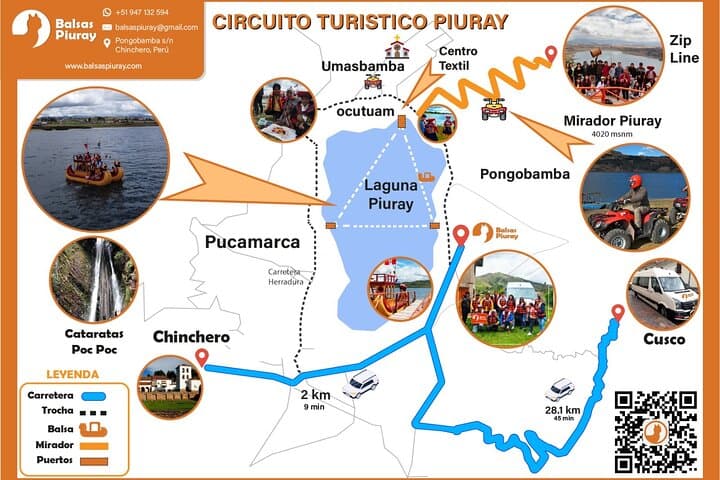
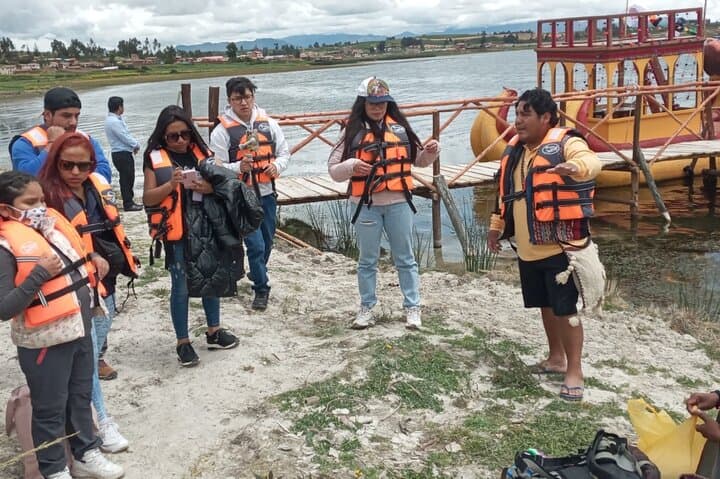
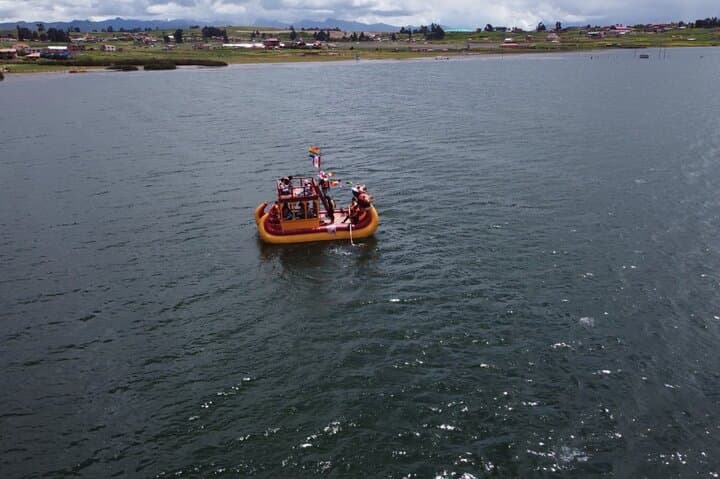
The water waits flat and cool at Piuray; wind-stiff reeds hum against a hand-stitched catamaran made from totora, the same bulrushes Andean people have used for centuries. You step aboard with a local guide, the village of Pongo Bamba unfolding in low stone houses behind you and the raw sweep of the Sacred Valley rising in stepped terraces toward snow-capped peaks.
The water waits flat and cool at Piuray; wind-stiff reeds hum against a hand-stitched catamaran made from totora, the same bulrushes Andean people have used for centuries. You step aboard with a local guide, the village of Pongo Bamba unfolding in low stone houses behind you and the raw sweep of the Sacred Valley rising in stepped terraces toward snow-capped peaks.
This is an experience rooted in pre-Columbian practice: totora craft predates the Inca and was refined into lightweight, buoyant boats for lakes and slow-moving rivers. Geologically this highland basin sits at roughly 3,700 m (12,140 ft), a glacially influenced landscape where shallow wetlands collect runoff from the surrounding Andes. Culturally the tour focuses on community life—harvesting reeds, boat-building techniques and local stories tied to the lagoon’s rhythm.
Expect a calm, observational outing rather than whitewater drama: a half-day loop with gentle paddling, pauses for explanation and quiet vantage points for birding or photography. Altitude shapes the pace; guides set a relaxed tempo and provide local context. Practicalities are straightforward—hotel pickup in Cusco, bilingual guiding and entrance fees included—but bring sun protection, layers for wind on open water, and extra water to counter high-altitude dryness.
For travelers curious about living traditions and accessible watercraft heritage, the totora boat tour offers both tactile history and a manageable outdoor half-day. It’s ideal for those acclimatized to Cusco who want a different angle on the Sacred Valley: slower, close to water, and focused on local knowledge rather than long trekking or technical skills.