THE ADVENTURE COLLECTIVE® · Independent discovery and booking for outdoor travel

Experience a nocturnal light show in Totláli, State of Mexico, where thousands of fireflies synchronize in a mating display each June–July. This guided night walk pairs scientific insight with small-group viewing and simple local refreshments.
Experience a nocturnal light show in Totláli, State of Mexico, where thousands of fireflies synchronize in a mating display each June–July. This guided night walk pairs scientific insight with small-group viewing and simple local refreshments.
The first step off the minivan is into an evening that feels alive — a humid breath, a chorus of insects, and the forest gradually unwinding from day into a low, watchful dark. Within minutes the understory begins to blink: small golden pulses that swell into dense constellations around the trail. In Totláli, those pulses are not random; they are a choreographed courtship, thousands of beetles signaling across trunks and low branches.
Verified experiences and guided adventures in the surrounding area.
Operated by Totláli · Totláli, State of Mexico
The first step off the minivan is into an evening that feels alive — a humid breath, a chorus of insects, and the forest gradually unwinding from day into a low, watchful dark. Within minutes the understory begins to blink: small golden pulses that swell into dense constellations around the trail. In Totláli, those pulses are not random; they are a choreographed courtship, thousands of beetles signaling across trunks and low branches.
This sighting sits in the broader natural history of the State of Mexico, where cloud forest and mixed pine-oak patches create the humidity and shelter fireflies need. Locally, the insects have long figured in rural calendars — their emergence signals a narrow seasonal window tied to breeding and rain cycles. Geologically the area is highland volcanic terrain, soils that hold moisture and support the leaf litter these beetles favor.
The experience is part guided night walk, part natural lecture: guides explain life cycles, photic patterns, and why June–July concentrates the display. Small-group VIP access limits disturbance and improves viewing. Cultural touches — a simple cafeteria with local bread and jam, a campfire with sausages and chocolate — anchor the outing in regional hospitality.
Practical guidance: dress in quiet, dark layers; use a red-filter headlamp or none at all; keep voices low and phones to airplane mode. Avoid flash photography to protect the insects’ signals. The trail is short and rated easy, but expect muddy patches and uneven roots; closed-toe shoes and insect repellent are useful. Timing is everything — arrive early to catch the full ascent of the show and leave the forest as you found it, dark and intact.
easy.
4 hours.
Suitable for most fitness levels; involves short, mostly flat night-walks on uneven terrain
The peak window is June–July after evening humidity rises; tours typically start after dusk and last about four hours.
Children are welcome; the activity is rated easy. Pets are generally not allowed except service animals — check with the operator before booking.
Flash photography and bright screens are discouraged because they disrupt mating signals; use a camera with low-light settings and avoid flash.
Most visitors travel by booked transfer or private vehicle; many tours include pickup points in Mexico City to simplify logistics.
Rural communities in the State of Mexico have long noted firefly appearances as seasonal markers tied to local rainy-season rhythms.
Conservation focuses on limiting light pollution and protecting humid forest floor habitat; visitors are asked to stay on trails, avoid flash, and keep groups small.
Totláli operates guided outdoor trips and adventures with an emphasis on safety, stewardship, and memorable experiences.
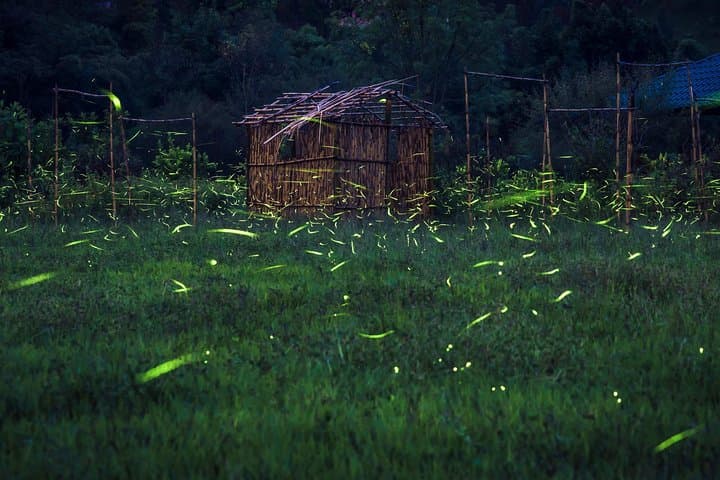
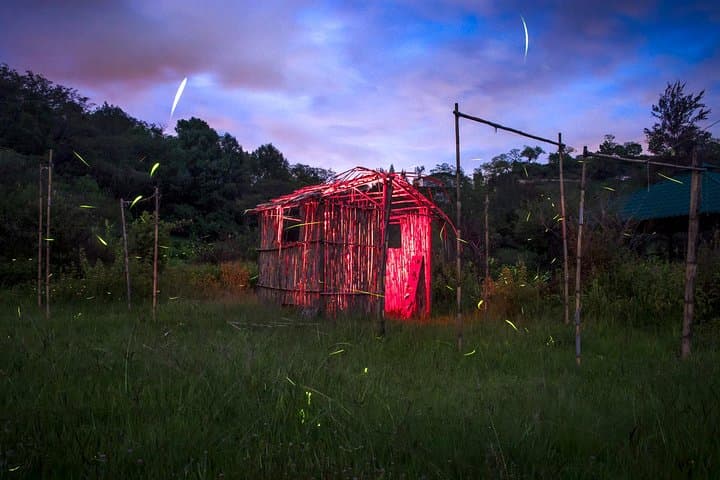
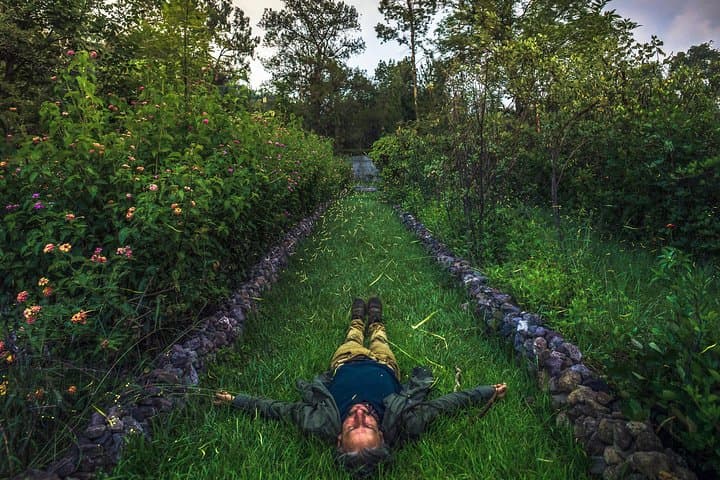
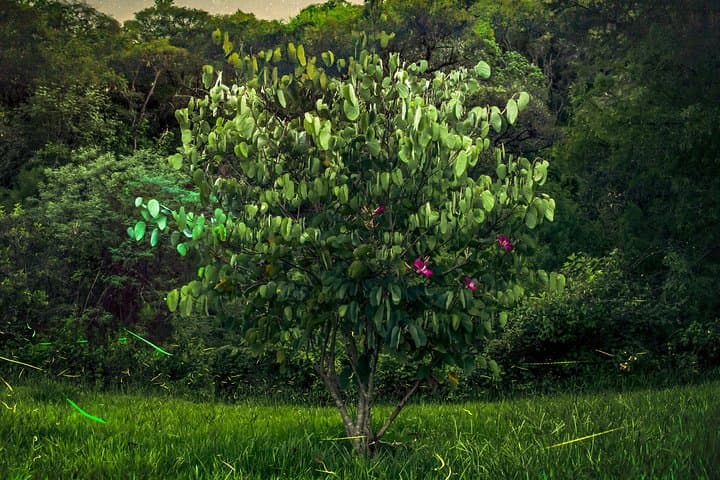
The first step off the minivan is into an evening that feels alive — a humid breath, a chorus of insects, and the forest gradually unwinding from day into a low, watchful dark. Within minutes the understory begins to blink: small golden pulses that swell into dense constellations around the trail. In Totláli, those pulses are not random; they are a choreographed courtship, thousands of beetles signaling across trunks and low branches.
The first step off the minivan is into an evening that feels alive — a humid breath, a chorus of insects, and the forest gradually unwinding from day into a low, watchful dark. Within minutes the understory begins to blink: small golden pulses that swell into dense constellations around the trail. In Totláli, those pulses are not random; they are a choreographed courtship, thousands of beetles signaling across trunks and low branches.
This sighting sits in the broader natural history of the State of Mexico, where cloud forest and mixed pine-oak patches create the humidity and shelter fireflies need. Locally, the insects have long figured in rural calendars — their emergence signals a narrow seasonal window tied to breeding and rain cycles. Geologically the area is highland volcanic terrain, soils that hold moisture and support the leaf litter these beetles favor.
The experience is part guided night walk, part natural lecture: guides explain life cycles, photic patterns, and why June–July concentrates the display. Small-group VIP access limits disturbance and improves viewing. Cultural touches — a simple cafeteria with local bread and jam, a campfire with sausages and chocolate — anchor the outing in regional hospitality.
Practical guidance: dress in quiet, dark layers; use a red-filter headlamp or none at all; keep voices low and phones to airplane mode. Avoid flash photography to protect the insects’ signals. The trail is short and rated easy, but expect muddy patches and uneven roots; closed-toe shoes and insect repellent are useful. Timing is everything — arrive early to catch the full ascent of the show and leave the forest as you found it, dark and intact.