THE ADVENTURE COLLECTIVE® · Independent discovery and booking for outdoor travel

Short, small-group tours that pair a brisk rainforest walk at Ward Creek with an interpretive stop at Totem Bight State Park. Local guides narrate Tlingit and Haida histories while you see restored poles and coastal rainforest up close.
Short, small-group tours that pair a brisk rainforest walk at Ward Creek with an interpretive stop at Totem Bight State Park. Local guides narrate Tlingit and Haida histories while you see restored poles and coastal rainforest up close.
You step off the dock and the damp cedar-sweet air of southern Alaska meets you before the guide finishes the first sentence. The Ketchikan Native Tours van threads through low hills, the Tongass National Forest closing in like a living wall; moss-draped trunks and fern-carpeted banks frame a short, brisk walk at Ward Creek. Then the forest opens and Totem Bight’s carved poles stand in a clearing—upright stories in cedar, their eyes and crests cut against an overcast sky.
Verified experiences and guided adventures in the surrounding area.
Operated by Ketchikan Native Tours: Totem Parks, Rainforest Hike, Wildlife Sightseeing · Ketchikan, Alaska
You step off the dock and the damp cedar-sweet air of southern Alaska meets you before the guide finishes the first sentence. The Ketchikan Native Tours van threads through low hills, the Tongass National Forest closing in like a living wall; moss-draped trunks and fern-carpeted banks frame a short, brisk walk at Ward Creek. Then the forest opens and Totem Bight’s carved poles stand in a clearing—upright stories in cedar, their eyes and crests cut against an overcast sky.
These poles mark the living history of the Tlingit and Haida peoples; many of the carvings at Totem Bight are restored or replicated pieces placed in the 1930s and 1940s to preserve clan art and oral histories. Geologically, Revillagigedo Island is cut by glacial sculpting and sits along rugged coastal inlets that shape microclimates—expect wet, cool conditions year-round. Culturally, local guides on this small-group tour share clan stories, carving meanings, and how traditional use of cedar shaped coastal life.
Practical guidance: the tour runs about two hours and includes short hikes on well-graded trails—suitable for most fitness levels but slippery when wet. Wear waterproof layers and grippy footwear; bring binoculars for eagle and seal sightings and a camera but don’t touch the poles. The tour departs from the visitor center area in downtown Ketchikan; guides typically provide pickup from cruise docks. Timing mid-morning or late afternoon avoids peak cruise crowds and gives better light for photos. Respect signage around cultural sites, follow your guide’s requests, and carry out any trash—these places remain fragile and protected.
easy.
2 hours.
Able to manage short, moderately brisk walks on uneven, potentially muddy trails; suitable for most ages and fitness levels
Meet at the monument known locally as the Rock beside the Ketchikan Visitors Center in downtown Ketchikan; look for the decaled Ketchikan Native Tours van.
The tour notes wheelchair and stroller accessibility for main areas near the visitor center and some park paths, but boardwalks and short trail sections may be uneven—check with the operator before booking.
Common sightings include bald eagles and black-tailed deer; during salmon runs you may notice increased bird and marine activity near creeks.
Photography is permitted; touching or climbing on poles is prohibited to protect cultural resources—follow your guide’s instructions at all times.
Totem Bight preserves a collection of original, restored, and replicated poles and a clan house representing Tlingit and Haida carving traditions, many conserved during 20th-century restoration efforts to protect coastal heritage.
The site sits within the Tongass National Forest; stick to marked paths, avoid touching cultural artifacts, and pack out all waste to minimize impact on sensitive rainforest soils and cultural resources.
Ketchikan Native Tours: Totem Parks, Rainforest Hike, Wildlife Sightseeing operates guided outdoor trips and adventures with an emphasis on safety, stewardship, and memorable experiences.
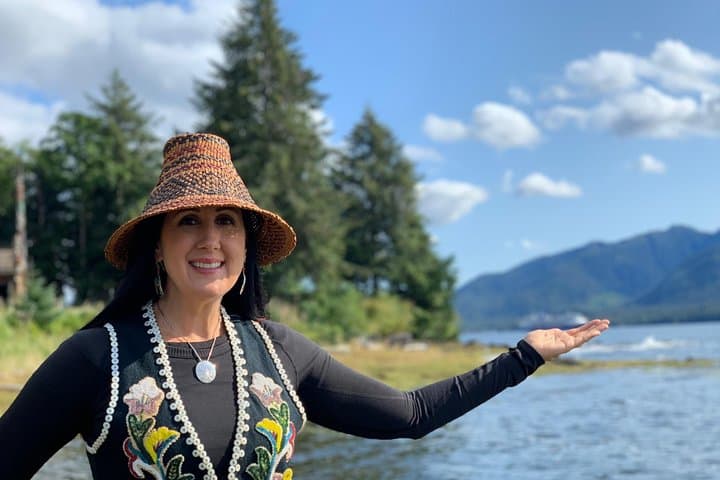
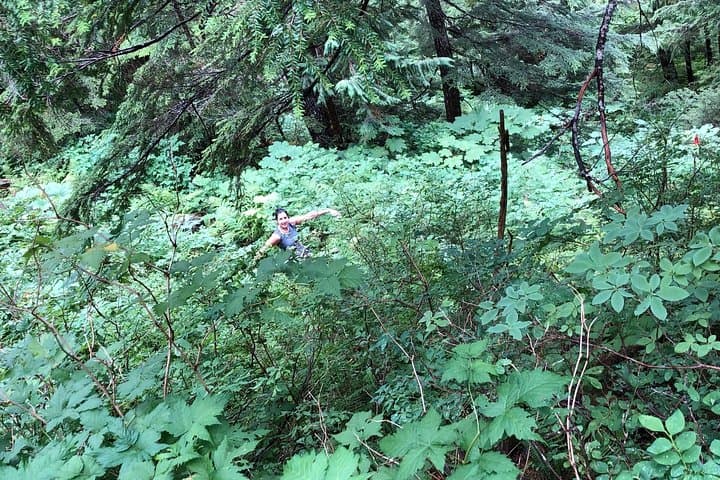
You step off the dock and the damp cedar-sweet air of southern Alaska meets you before the guide finishes the first sentence. The Ketchikan Native Tours van threads through low hills, the Tongass National Forest closing in like a living wall; moss-draped trunks and fern-carpeted banks frame a short, brisk walk at Ward Creek. Then the forest opens and Totem Bight’s carved poles stand in a clearing—upright stories in cedar, their eyes and crests cut against an overcast sky.
You step off the dock and the damp cedar-sweet air of southern Alaska meets you before the guide finishes the first sentence. The Ketchikan Native Tours van threads through low hills, the Tongass National Forest closing in like a living wall; moss-draped trunks and fern-carpeted banks frame a short, brisk walk at Ward Creek. Then the forest opens and Totem Bight’s carved poles stand in a clearing—upright stories in cedar, their eyes and crests cut against an overcast sky.
These poles mark the living history of the Tlingit and Haida peoples; many of the carvings at Totem Bight are restored or replicated pieces placed in the 1930s and 1940s to preserve clan art and oral histories. Geologically, Revillagigedo Island is cut by glacial sculpting and sits along rugged coastal inlets that shape microclimates—expect wet, cool conditions year-round. Culturally, local guides on this small-group tour share clan stories, carving meanings, and how traditional use of cedar shaped coastal life.
Practical guidance: the tour runs about two hours and includes short hikes on well-graded trails—suitable for most fitness levels but slippery when wet. Wear waterproof layers and grippy footwear; bring binoculars for eagle and seal sightings and a camera but don’t touch the poles. The tour departs from the visitor center area in downtown Ketchikan; guides typically provide pickup from cruise docks. Timing mid-morning or late afternoon avoids peak cruise crowds and gives better light for photos. Respect signage around cultural sites, follow your guide’s requests, and carry out any trash—these places remain fragile and protected.