THE ADVENTURE COLLECTIVE® · Independent discovery and booking for outdoor travel

Cross the High Atlas, wander medieval medinas and camel-trek into Erg Chebbi on this nine-day escorted tour from Marrakech. Expect long drives, dramatic geology and an immersive introduction to Morocco’s cities, deserts and Roman ruins.
Cross the High Atlas, wander medieval medinas and camel-trek into Erg Chebbi on this nine-day escorted tour from Marrakech. Expect long drives, dramatic geology and an immersive introduction to Morocco’s cities, deserts and Roman ruins.
The morning light in Marrakech hits the ochre medina walls and the city wakes with a clatter of carts, prayer calls and aromatic steam rising from street food stalls. You board an air-conditioned vehicle, the road carving up and over the High Atlas at Tizi n’Tichka (about 2,260 m), and the landscape loosens from palm groves into red rock and finally the rippling gold of Erg Chebbi.
Verified experiences and guided adventures in the surrounding area.
Operated by Marrakech First Trip · Marrakech, Marrakech-Safi
The morning light in Marrakech hits the ochre medina walls and the city wakes with a clatter of carts, prayer calls and aromatic steam rising from street food stalls. You board an air-conditioned vehicle, the road carving up and over the High Atlas at Tizi n’Tichka (about 2,260 m), and the landscape loosens from palm groves into red rock and finally the rippling gold of Erg Chebbi.
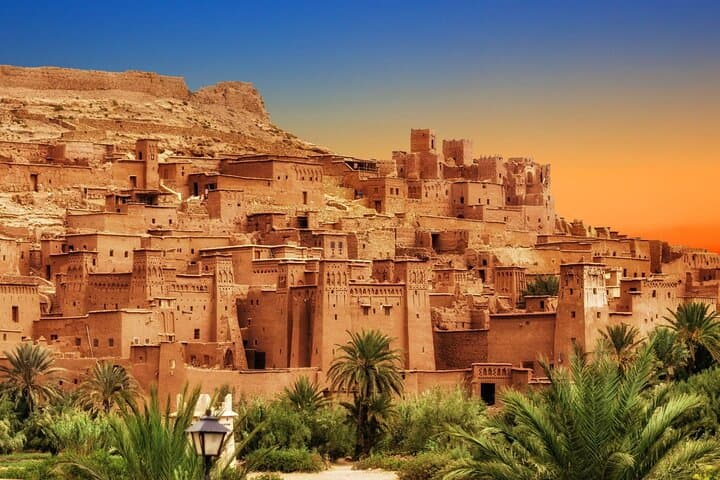
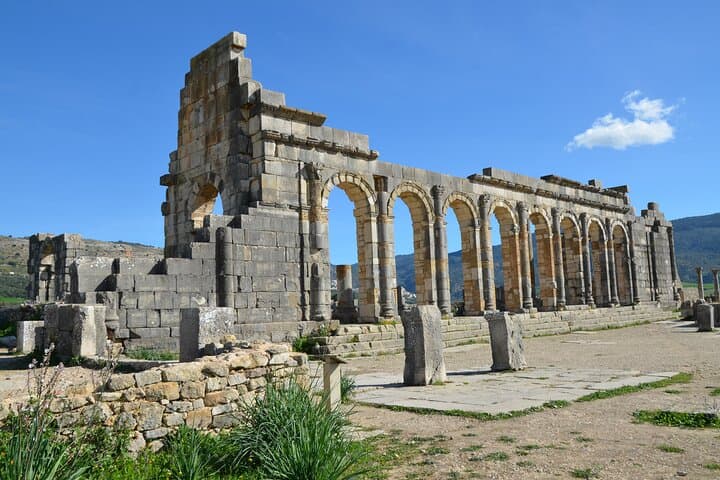
This itinerary stitches together Morocco’s layers: French-era gardens at Majorelle, the medieval knot of Fes el Bali with its 9,400 alleys, Roman mosaics at Volubilis and the defensive architecture of Ait Benhaddou. Geologically the trip moves from volcanic and metamorphic highlands to sedimentary river gorges and wind-sculpted sand seas; Todra Gorge’s sheer limestone walls climb roughly 300 m while Erg Chebbi’s dunes crest at roughly 100–150 m.
Culturally expect guided medina walks, visits to kasbahs and a night in a Berber camp after a short camel trek timed for sunset and sunrise. Local guides introduce you to tanneries and souks and explain the nomadic rhythms of the region.
Practically: plan for long driving days—several stretches run 5–8 hours—so pack layers for cold desert nights, sun protection for daytime travel and sturdy shoes for uneven alleys and rocky gorges. Hydrate as you cross altitude and desert transitions, and allow time to move slowly through markets to avoid sensory overload. Aim to arrive with at least a day in Marrakech to adjust and use early mornings in the desert for the best light and cooler temperatures.
moderate.
9 days.
Suitable for travelers in good general health; daily walking is moderate with some uneven surfaces and one short camel trek required.
The camel trek included is short—typically 1–2 hours—designed for sunset/sunrise viewing; it requires basic balance and the ability to mount/dismount with assistance.
Accommodations are 4–star riads and a desert camp; guides can usually accommodate common dietary needs if notified in advance via booking questions.
Yes—carry local dirhams for small purchases, tips and optional activities in medinas where card facilities may be limited.
Most elevations are moderate, with the highest point at Tizi n’Tichka (~2,260 m); if you have cardiovascular issues, consult a physician—this tour is rated physically easy to moderate for healthy travelers.
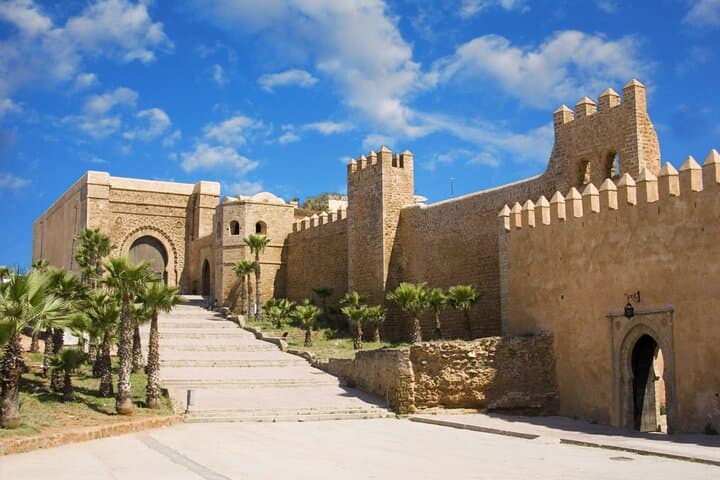
The route links imperial cities and Roman Volubilis, showing Morocco’s role as a crossroads of Berber, Arab, Roman and European influences over millennia.
Respect local water use and avoid single-use plastics in desert areas; stick to established paths in gorges and dunes to limit erosion and disturbance.
Marrakech First Trip operates guided outdoor trips and adventures with an emphasis on safety, stewardship, and memorable experiences.
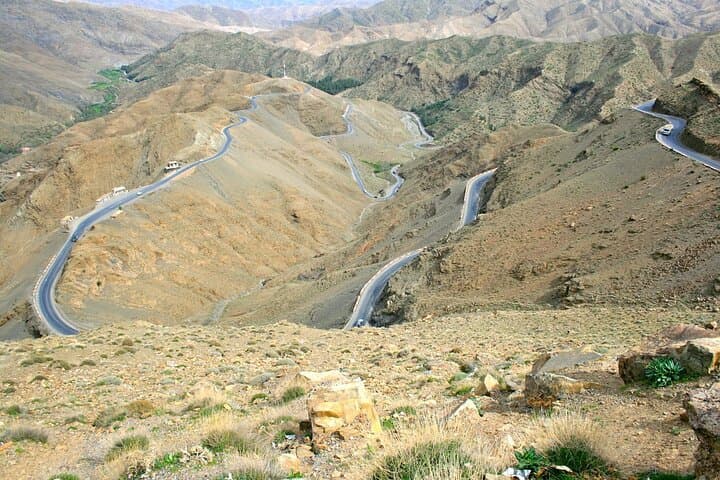
The morning light in Marrakech hits the ochre medina walls and the city wakes with a clatter of carts, prayer calls and aromatic steam rising from street food stalls. You board an air-conditioned vehicle, the road carving up and over the High Atlas at Tizi n’Tichka (about 2,260 m), and the landscape loosens from palm groves into red rock and finally the rippling gold of Erg Chebbi.
The morning light in Marrakech hits the ochre medina walls and the city wakes with a clatter of carts, prayer calls and aromatic steam rising from street food stalls. You board an air-conditioned vehicle, the road carving up and over the High Atlas at Tizi n’Tichka (about 2,260 m), and the landscape loosens from palm groves into red rock and finally the rippling gold of Erg Chebbi.
This itinerary stitches together Morocco’s layers: French-era gardens at Majorelle, the medieval knot of Fes el Bali with its 9,400 alleys, Roman mosaics at Volubilis and the defensive architecture of Ait Benhaddou. Geologically the trip moves from volcanic and metamorphic highlands to sedimentary river gorges and wind-sculpted sand seas; Todra Gorge’s sheer limestone walls climb roughly 300 m while Erg Chebbi’s dunes crest at roughly 100–150 m.
Culturally expect guided medina walks, visits to kasbahs and a night in a Berber camp after a short camel trek timed for sunset and sunrise. Local guides introduce you to tanneries and souks and explain the nomadic rhythms of the region.
Practically: plan for long driving days—several stretches run 5–8 hours—so pack layers for cold desert nights, sun protection for daytime travel and sturdy shoes for uneven alleys and rocky gorges. Hydrate as you cross altitude and desert transitions, and allow time to move slowly through markets to avoid sensory overload. Aim to arrive with at least a day in Marrakech to adjust and use early mornings in the desert for the best light and cooler temperatures.