THE ADVENTURE COLLECTIVE® · Independent discovery and booking for outdoor travel

Witness sea turtles nesting on Tortuguero’s protected beaches during nesting season (June–October). This small-group night tour emphasizes responsible viewing: expect limited light, close-but-respectful approaches, and a powerful, low-key wildlife encounter.
Witness sea turtles nesting on Tortuguero’s protected beaches during nesting season (June–October). This small-group night tour emphasizes responsible viewing: expect limited light, close-but-respectful approaches, and a powerful, low-key wildlife encounter.
Visitors gather at a low beachfront office, the humid air carrying the salt and green-smoke of nearby mangroves. As night settles over Tortuguero, the Caribbean surf becomes a dark, moving wall that seems to dare anyone to cross it; guides and spotters thread quiet signals between them, and the beach waits.
Verified experiences and guided adventures in the surrounding area.
Operated by Sambola Tours Tortuguero · Tortuguero, Limón
Visitors gather at a low beachfront office, the humid air carrying the salt and green-smoke of nearby mangroves. As night settles over Tortuguero, the Caribbean surf becomes a dark, moving wall that seems to dare anyone to cross it; guides and spotters thread quiet signals between them, and the beach waits.
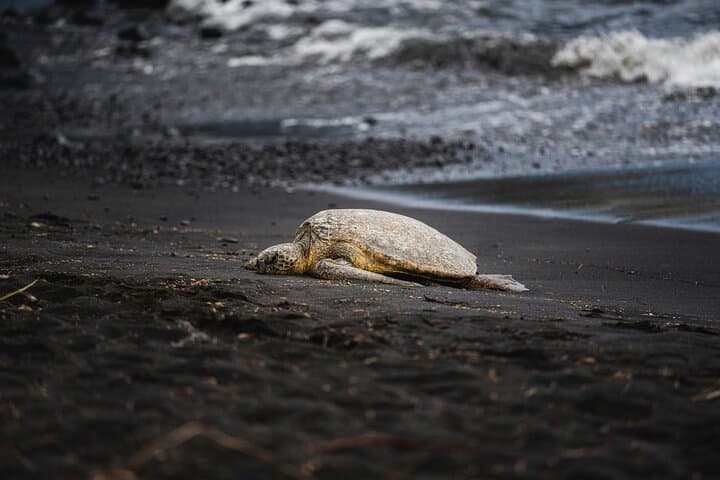
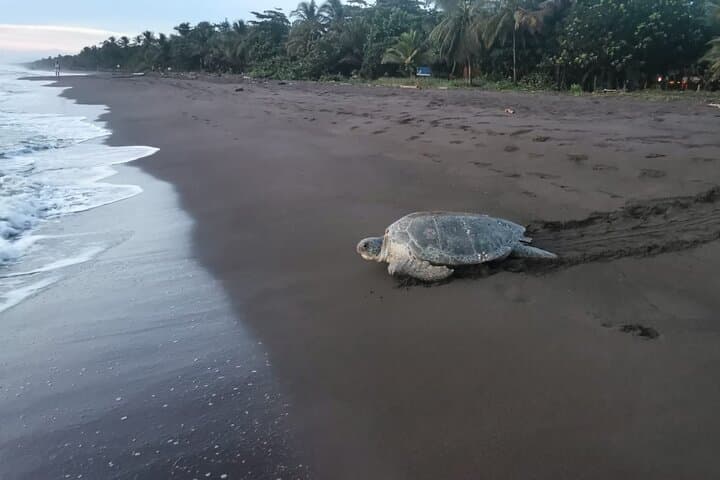
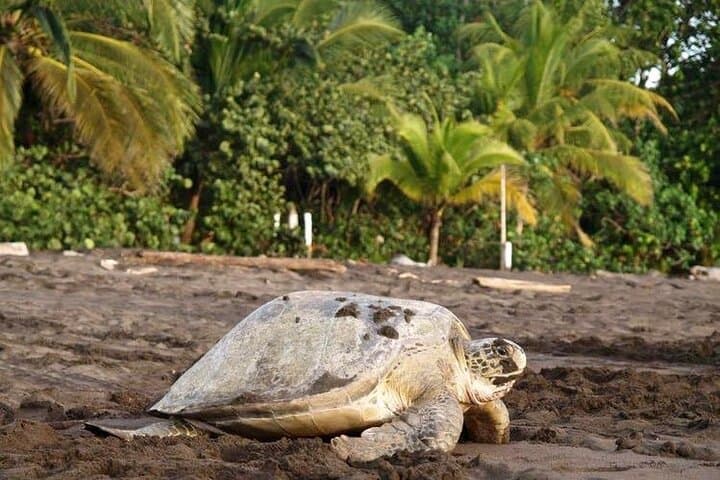
Tortuguero’s black-sand shores and maze of river canals are the product of volcanic soils and ocean currents that deposit sand across the Caribbean coast of Limón province. The area has long been an ancestral nesting ground for green sea turtles and leatherbacks; local communities—largely Afro-Caribbean with Indigenous influences—have shaped conservation practices that balance tourism with protection.
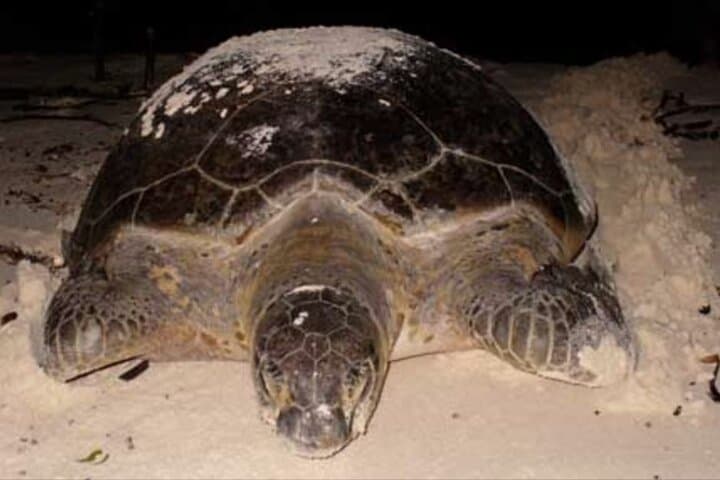
On a typical two-hour small-group tour (June–October peak), guides walk visitors to a staging zone where trained spotters watch from a distance. If a turtle is located, the group approaches under strict rules: no flash photography, limited white lights, and quiet, respectful movement while the turtle lays, covers her nest, and returns to the sea. The experience is visceral—sand shifting underfoot, the turtle’s heavy rhythm, and the ocean’s push that finally draws her away.
Practically: wear sturdy closed-toe shoes for soft sand, bring a lightweight rain jacket, insect repellent, and hydration. Expect low lighting and uneven footing; tours are not guaranteed sightings. Booking in advance during nesting season and choosing a certified guide helps ensure responsible viewing and benefits local conservation programs.
moderate.
2 hours.
Moderate fitness—able to stand and walk on soft sand for short periods and navigate low-light terrain.
No—turtles are wild animals and sightings cannot be guaranteed; nesting is seasonal (June–October) and subject to natural variability.
Most tours prohibit flash and bright white lights; some allow dim red-filter lighting—always follow the guide’s instructions to protect the animals.
Children can join but infants are typically required to sit on an adult’s lap; check the operator’s age policies and be prepared for low-light conditions.
Most visitors arrive by boat via canals from La Pavona or by small plane; the tour will specify a local meeting point in Tortuguero Village—plan extra time for transfers.
Tortuguero’s shores have long been important nesting grounds for sea turtles; conservation programs here evolved alongside local Afro-Caribbean and Indigenous communities to protect nests and manage tourism.
Night tours follow strict protocols to reduce disturbance—support programs that contribute permission fees, follow lighting rules, and avoid approaching nests.
Sambola Tours Tortuguero operates guided outdoor trips and adventures with an emphasis on safety, stewardship, and memorable experiences.
Visitors gather at a low beachfront office, the humid air carrying the salt and green-smoke of nearby mangroves. As night settles over Tortuguero, the Caribbean surf becomes a dark, moving wall that seems to dare anyone to cross it; guides and spotters thread quiet signals between them, and the beach waits.
Visitors gather at a low beachfront office, the humid air carrying the salt and green-smoke of nearby mangroves. As night settles over Tortuguero, the Caribbean surf becomes a dark, moving wall that seems to dare anyone to cross it; guides and spotters thread quiet signals between them, and the beach waits.
Tortuguero’s black-sand shores and maze of river canals are the product of volcanic soils and ocean currents that deposit sand across the Caribbean coast of Limón province. The area has long been an ancestral nesting ground for green sea turtles and leatherbacks; local communities—largely Afro-Caribbean with Indigenous influences—have shaped conservation practices that balance tourism with protection.
On a typical two-hour small-group tour (June–October peak), guides walk visitors to a staging zone where trained spotters watch from a distance. If a turtle is located, the group approaches under strict rules: no flash photography, limited white lights, and quiet, respectful movement while the turtle lays, covers her nest, and returns to the sea. The experience is visceral—sand shifting underfoot, the turtle’s heavy rhythm, and the ocean’s push that finally draws her away.
Practically: wear sturdy closed-toe shoes for soft sand, bring a lightweight rain jacket, insect repellent, and hydration. Expect low lighting and uneven footing; tours are not guaranteed sightings. Booking in advance during nesting season and choosing a certified guide helps ensure responsible viewing and benefits local conservation programs.