THE ADVENTURE COLLECTIVE® · Independent discovery and booking for outdoor travel

Spend a full day exploring Tortuguero’s canals, forest trails and seasonal turtle nesting beaches. This guided experience pairs a two-hour canoe, a day hike and a night or spawning-beach encounter timed by park rangers.
Spend a full day exploring Tortuguero’s canals, forest trails and seasonal turtle nesting beaches. This guided experience pairs a two-hour canoe, a day hike and a night or spawning-beach encounter timed by park rangers.
You step off the pier into a humid hush: the canal water mirrors the mangrove crowns while boat engines whisper, and the guide points where a heron tilts like a question mark. In Tortuguero, the landscape moves—water daring you to follow it, forest pushing back with vines and orchids—and the day’s three acts unfold between river, sand and trail.
Verified experiences and guided adventures in the surrounding area.
Operated by Solangie's Tour · Tortuguero, Limón
You step off the pier into a humid hush: the canal water mirrors the mangrove crowns while boat engines whisper, and the guide points where a heron tilts like a question mark. In Tortuguero, the landscape moves—water daring you to follow it, forest pushing back with vines and orchids—and the day’s three acts unfold between river, sand and trail.
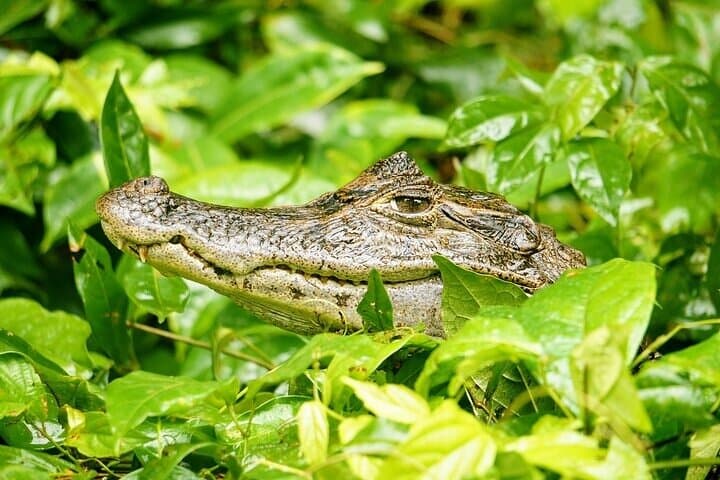
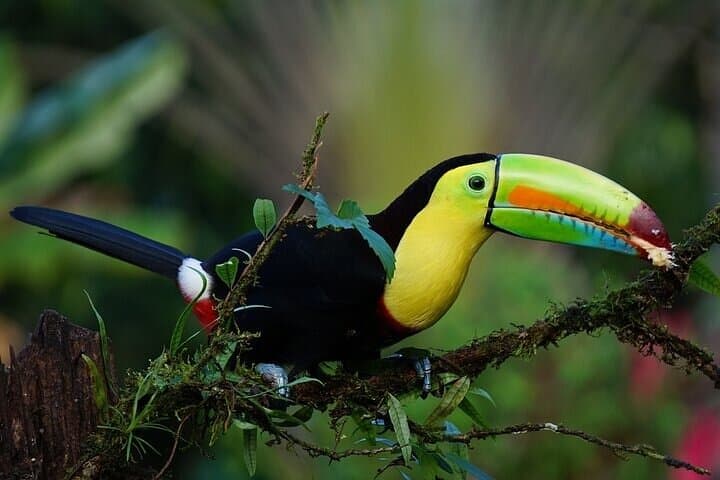
Tortuguero National Park, protected since the 1970s, protects low coastal plains carved by rivers and tides; its canals are old distributaries lined with floodplain forest that supports monkeys, caimans and migratory birds. The village nearby grew as a fishing and banana-loading outpost with Afro-Caribbean roots; guides often share how the park’s creation shifted local livelihoods toward conservation and tourism.
Practically, this is a guided, accessible day of short hikes, a two-hour canoe paddle and either a night beach visit for turtle spawning (July 1–Oct 10) or a nocturnal forest walk the rest of the year. Expect muddy trails, quiet boat rides where wildlife appears at eye level, and strict park rules for turtle encounters—no flash photography and instructions set by rangers. Bring insect repellent, quick-dry clothing and a compact headlamp for night segments; the operator supplies life jackets and lanterns. Wear water-resistant shoes for wading river banks and plan for tropical rain—schedules can shift with tides and park directives. If turtles are the objective, time your visit for July–October; otherwise, canals and trails deliver steady wildlife viewing year-round. Follow your guide’s directions and the park’s light-and-distance rules to protect nesting animals while enjoying one of Costa Rica’s most intimate wild places.
moderate.
6 hours.
Suitable for travelers in average fitness: includes two 2-hour segments of canoeing and hiking with short walks on uneven, sometimes muddy terrain.
Peak beach nesting for some species runs roughly July 1–October 10; outside those dates the operator runs nocturnal forest tours instead.
Flash photography and bright lights are prohibited during nesting—follow ranger and guide directions for dim red lights or headlamp use when permitted.
Meet at the main Tortuguero dock; the operator’s office is about 200 meters south of the pier—arrive by the scheduled time or coordinate transfers in advance.
The tour notes infants must sit on laps and recommends caution for those with spinal or serious heart conditions; walking and short boat transfers are required.
The national park was created in the 1970s to protect critical sea turtle nesting beaches and the surrounding lowland rainforest, reshaping the local economy toward conservation-informed tourism.
Rangers strictly control beach access and viewing protocols to minimize disturbance to nesting turtles; visitors are asked to avoid plastics and follow 'leave no trace' principles.
Solangie's Tour operates guided outdoor trips and adventures with an emphasis on safety, stewardship, and memorable experiences.
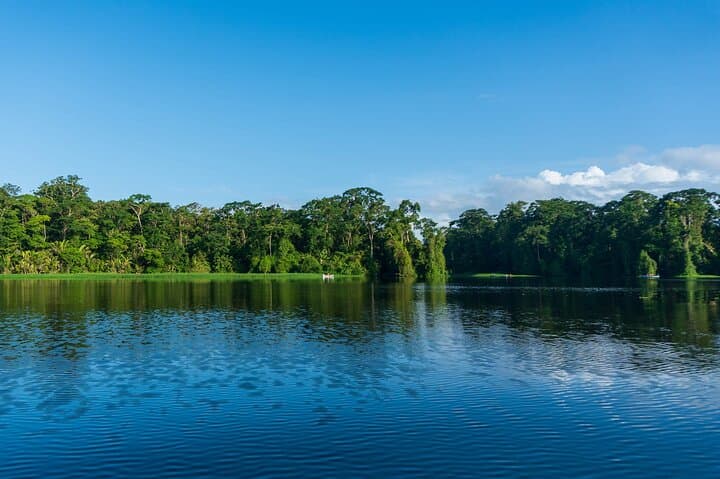

You step off the pier into a humid hush: the canal water mirrors the mangrove crowns while boat engines whisper, and the guide points where a heron tilts like a question mark. In Tortuguero, the landscape moves—water daring you to follow it, forest pushing back with vines and orchids—and the day’s three acts unfold between river, sand and trail.
You step off the pier into a humid hush: the canal water mirrors the mangrove crowns while boat engines whisper, and the guide points where a heron tilts like a question mark. In Tortuguero, the landscape moves—water daring you to follow it, forest pushing back with vines and orchids—and the day’s three acts unfold between river, sand and trail.
Tortuguero National Park, protected since the 1970s, protects low coastal plains carved by rivers and tides; its canals are old distributaries lined with floodplain forest that supports monkeys, caimans and migratory birds. The village nearby grew as a fishing and banana-loading outpost with Afro-Caribbean roots; guides often share how the park’s creation shifted local livelihoods toward conservation and tourism.
Practically, this is a guided, accessible day of short hikes, a two-hour canoe paddle and either a night beach visit for turtle spawning (July 1–Oct 10) or a nocturnal forest walk the rest of the year. Expect muddy trails, quiet boat rides where wildlife appears at eye level, and strict park rules for turtle encounters—no flash photography and instructions set by rangers. Bring insect repellent, quick-dry clothing and a compact headlamp for night segments; the operator supplies life jackets and lanterns. Wear water-resistant shoes for wading river banks and plan for tropical rain—schedules can shift with tides and park directives. If turtles are the objective, time your visit for July–October; otherwise, canals and trails deliver steady wildlife viewing year-round. Follow your guide’s directions and the park’s light-and-distance rules to protect nesting animals while enjoying one of Costa Rica’s most intimate wild places.