THE ADVENTURE COLLECTIVE® · Independent discovery and booking for outdoor travel

Walk Tortuguero’s jungle after dark with a certified naturalist and spot red-eyed tree frogs, sleeping birds, and slow-moving sloths. This two-hour small-group tour leaves from Tree Coffee House and focuses on nocturnal behavior and low-impact wildlife viewing.
Walk Tortuguero’s jungle after dark with a certified naturalist and spot red-eyed tree frogs, sleeping birds, and slow-moving sloths. This two-hour small-group tour leaves from Tree Coffee House and focuses on nocturnal behavior and low-impact wildlife viewing.
You step off the dock at dusk and a humid breath of rainforest meets you—moss-dark trunks and the distant ripple of the canal set the stage. Flashlights carve paths through understory leaves as your certified naturalist leads a small group along narrow jungle trails. At night the forest behaves differently: tree frogs call like tiny trumpets, sloths freeze in silhouette, and unseen insects orchestrate a steady percussion.
Verified experiences and guided adventures in the surrounding area.
Operated by Travel Tortuguero. · Tortuguero, Limón
You step off the dock at dusk and a humid breath of rainforest meets you—moss-dark trunks and the distant ripple of the canal set the stage. Flashlights carve paths through understory leaves as your certified naturalist leads a small group along narrow jungle trails. At night the forest behaves differently: tree frogs call like tiny trumpets, sloths freeze in silhouette, and unseen insects orchestrate a steady percussion.
Tortuguero’s coastline and wetlands were long shaped by Caribbean currents and sediment, creating a maze of canals and lowland rainforest that sustains both marine and terrestrial life. The village grew as a hub for researchers and turtle conservationists; today guided night walks are a way to see species that never show themselves by day and to learn about local conservation efforts.
Expect soft, uneven footing, low-hanging branches, and concentrated wildlife sightings rather than broad panoramas. Guides focus on behavior—how frogs use leaf cups for breeding, why sloths descend to forage, and which snakes are harmless. Follow rules: stay quiet, keep beams low, and don’t touch animals.
Practicalities: the walk is about two hours, leaving from Tree Coffee House next to the main dock. Small groups (up to six) mean plenty of time with the guide; flashlights and binoculars are provided. Wear quick-dry, long sleeves and closed-toe shoes; bring insect repellent and a small rain layer. Night humidity and insects are the real variables—plan for warmth and damp.
This is an intimate, educational way to experience Tortuguero’s after-dark ecosystem—best for curious travelers who prefer guided, low-impact wildlife encounters.
easy.
2 hours.
Suitable for most fitness levels; requires walking on uneven, sometimes muddy narrow trails for 1–1.5 hours.
The guided portion through the jungle is approximately 90 minutes, with a short meeting and debrief at Tree Coffee House for a total of about 2 hours.
Sightings are common but never guaranteed—guides are skilled at locating animals, especially red-eyed tree frogs and sloths, but wildlife is unpredictable.
Yes—this experience is family-friendly, though infants must sit on laps and young children should be able to follow safety instructions.
High-powered flashlights are provided (one per couple), but a dim headlamp or extra batteries is handy for personal use and hands-free viewing.
Tortuguero developed as a remote Caribbean settlement and later as a conservation hub after sea turtle protections began in the 1970s; research and community programs shaped modern ecotourism here.
Local guides work closely with conservation groups—follow low-impact rules, avoid flash photos, and support community-run tours to fund protection and research.
Travel Tortuguero. operates guided outdoor trips and adventures with an emphasis on safety, stewardship, and memorable experiences.
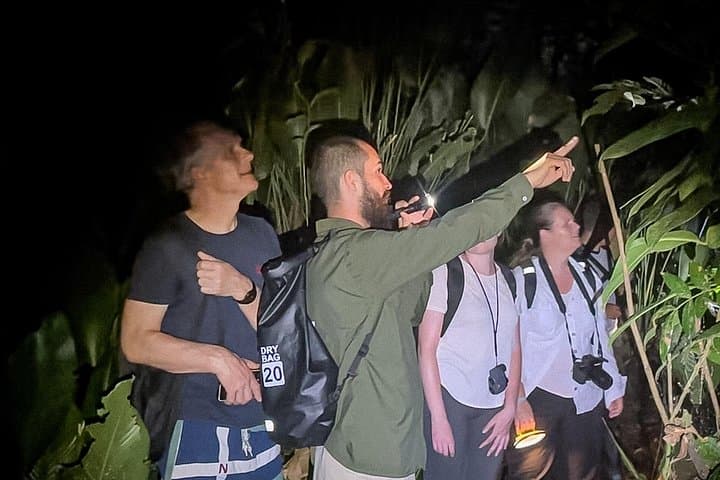
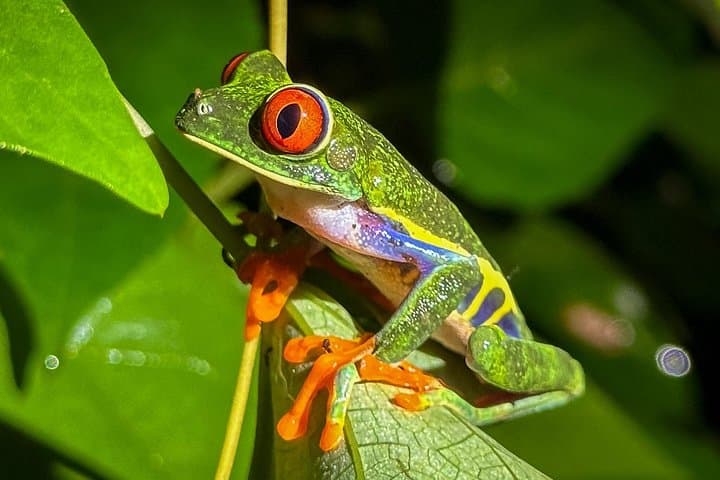
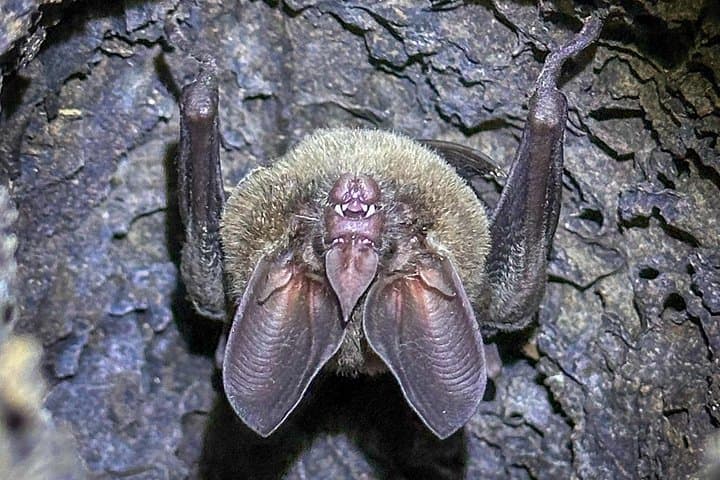
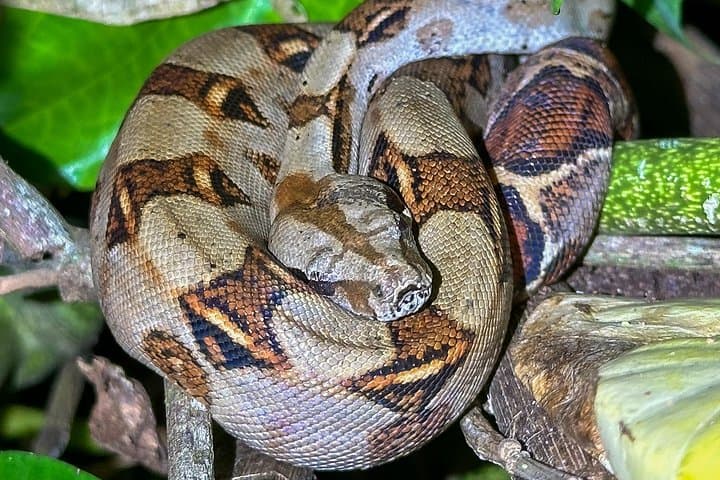
You step off the dock at dusk and a humid breath of rainforest meets you—moss-dark trunks and the distant ripple of the canal set the stage. Flashlights carve paths through understory leaves as your certified naturalist leads a small group along narrow jungle trails. At night the forest behaves differently: tree frogs call like tiny trumpets, sloths freeze in silhouette, and unseen insects orchestrate a steady percussion.
You step off the dock at dusk and a humid breath of rainforest meets you—moss-dark trunks and the distant ripple of the canal set the stage. Flashlights carve paths through understory leaves as your certified naturalist leads a small group along narrow jungle trails. At night the forest behaves differently: tree frogs call like tiny trumpets, sloths freeze in silhouette, and unseen insects orchestrate a steady percussion.
Tortuguero’s coastline and wetlands were long shaped by Caribbean currents and sediment, creating a maze of canals and lowland rainforest that sustains both marine and terrestrial life. The village grew as a hub for researchers and turtle conservationists; today guided night walks are a way to see species that never show themselves by day and to learn about local conservation efforts.
Expect soft, uneven footing, low-hanging branches, and concentrated wildlife sightings rather than broad panoramas. Guides focus on behavior—how frogs use leaf cups for breeding, why sloths descend to forage, and which snakes are harmless. Follow rules: stay quiet, keep beams low, and don’t touch animals.
Practicalities: the walk is about two hours, leaving from Tree Coffee House next to the main dock. Small groups (up to six) mean plenty of time with the guide; flashlights and binoculars are provided. Wear quick-dry, long sleeves and closed-toe shoes; bring insect repellent and a small rain layer. Night humidity and insects are the real variables—plan for warmth and damp.
This is an intimate, educational way to experience Tortuguero’s after-dark ecosystem—best for curious travelers who prefer guided, low-impact wildlife encounters.