THE ADVENTURE COLLECTIVE® · Independent discovery and booking for outdoor travel

Witness the slow, deliberate rhythm of sea turtles nesting on Tortuguero’s black sand beaches. This concise guide covers what to expect, safety rules, and how to prepare for a respectful, unforgettable night watch.
Witness the slow, deliberate rhythm of sea turtles nesting on Tortuguero’s black sand beaches. This concise guide covers what to expect, safety rules, and how to prepare for a respectful, unforgettable night watch.
You step off the boat when the jungle exhales at dusk — the mangroves close ranks behind you and the ocean pulls the shoreline into shadow. Guides lead a quiet procession along the sand, voices low; the night feels alive, the surf daring you forward.
Verified experiences and guided adventures in the surrounding area.
Operated by Don Chico Tours · Tortuguero, Limón
You step off the boat when the jungle exhales at dusk — the mangroves close ranks behind you and the ocean pulls the shoreline into shadow. Guides lead a quiet procession along the sand, voices low; the night feels alive, the surf daring you forward.
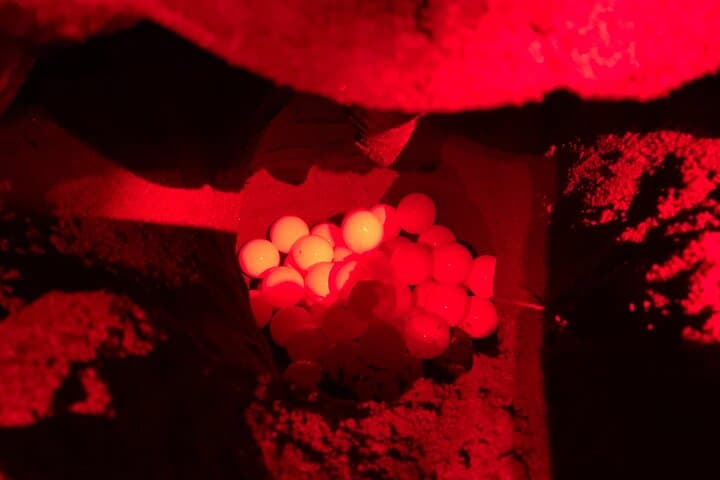
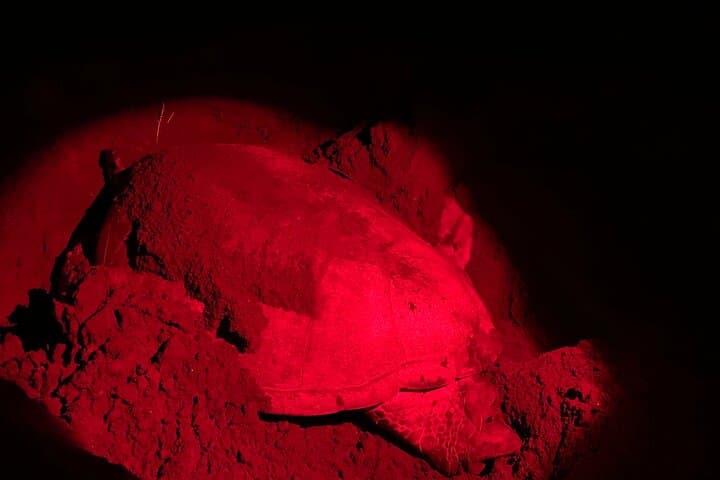
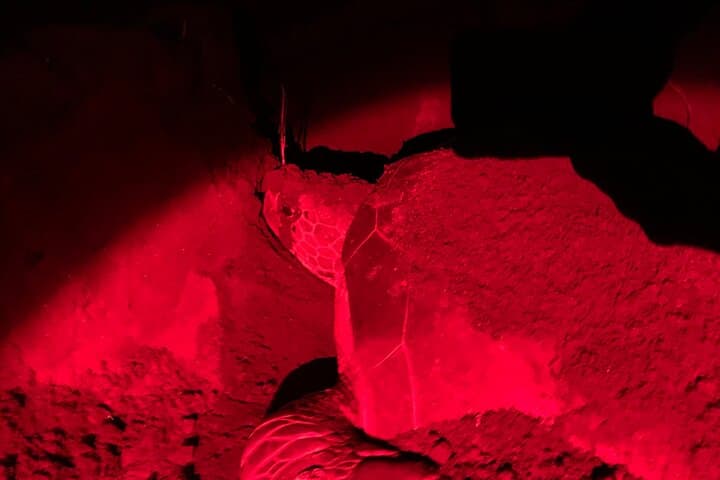
Tortuguero’s coastline is carved from volcanic and riverborne sediments where the Caribbean meets rainforest. Indigenous and Afro-Caribbean communities have long read the tides and tides of turtles; conservation efforts here helped make Tortuguero one of Costa Rica’s premier nesting sites. On a guided night walk you’ll watch from designated posts as female sea turtles come ashore to dig and lay, the scene framed by the wash of phosphorescent surf and the distant hum of insects.
Practical details matter: tours run about 1–2 hours, groups are small (often ≤10), and guides enforce strict rules — no lights, no cameras, and dark clothing only — to avoid disturbing nesting animals. Trails to the beach involve uneven paths and soft sand; expect slow, careful walking. Bring mosquito repellent and a compact waterproof layer: humidity and spray are constants. Hydrate before the walk and follow your guide’s instructions for distance and timing near turtles.
This is a quiet, watchful experience rather than a photo opportunity. The reward is simple and profound: witnessing an ancient cycle continue under the cloak of night, with every creak of the shore and nudge of a turtle a reminder of the fragile, persistent rhythm of life here.
moderate.
1–2 hours.
Moderate fitness; be able to walk on uneven trails and soft sand for up to two hours at night.
No — touching, handling or interfering with nesting turtles or hatchlings is prohibited; guides maintain safe distances to protect the animals.
No — most tours ban cameras, flashlights, and phones on the beach to avoid disturbing turtles; follow your guide’s instructions about when devices must be stowed.
Most guests arrive to Tortuguero by boat or small plane from La Pavona/Guápiles or San José; confirm your lodge’s transfer details and meeting location with the operator.
Tours typically aren’t recommended for pregnant travelers or those with serious mobility or spinal issues; small children may attend but should be capable of quiet, steady walking at night.
Tortuguero’s human history is tied to river transport and Afro-Caribbean settlement; conservation initiatives in the late 20th century helped protect its important nesting beaches.
Strict viewing protocols and local monitoring programs minimize disturbance; follow guide rules and support community-run conservation fees that fund patrols and research.
Don Chico Tours operates guided outdoor trips and adventures with an emphasis on safety, stewardship, and memorable experiences.

You step off the boat when the jungle exhales at dusk — the mangroves close ranks behind you and the ocean pulls the shoreline into shadow. Guides lead a quiet procession along the sand, voices low; the night feels alive, the surf daring you forward.
You step off the boat when the jungle exhales at dusk — the mangroves close ranks behind you and the ocean pulls the shoreline into shadow. Guides lead a quiet procession along the sand, voices low; the night feels alive, the surf daring you forward.
Tortuguero’s coastline is carved from volcanic and riverborne sediments where the Caribbean meets rainforest. Indigenous and Afro-Caribbean communities have long read the tides and tides of turtles; conservation efforts here helped make Tortuguero one of Costa Rica’s premier nesting sites. On a guided night walk you’ll watch from designated posts as female sea turtles come ashore to dig and lay, the scene framed by the wash of phosphorescent surf and the distant hum of insects.
Practical details matter: tours run about 1–2 hours, groups are small (often ≤10), and guides enforce strict rules — no lights, no cameras, and dark clothing only — to avoid disturbing nesting animals. Trails to the beach involve uneven paths and soft sand; expect slow, careful walking. Bring mosquito repellent and a compact waterproof layer: humidity and spray are constants. Hydrate before the walk and follow your guide’s instructions for distance and timing near turtles.
This is a quiet, watchful experience rather than a photo opportunity. The reward is simple and profound: witnessing an ancient cycle continue under the cloak of night, with every creak of the shore and nudge of a turtle a reminder of the fragile, persistent rhythm of life here.