THE ADVENTURE COLLECTIVE® · Independent discovery and booking for outdoor travel

Join a guided night walk on Tortuguero’s protected beaches to see Atlantic green turtles come ashore to nest. The tour balances close observation with strict rules to protect the animals and their habitat.
Join a guided night walk on Tortuguero’s protected beaches to see Atlantic green turtles come ashore to nest. The tour balances close observation with strict rules to protect the animals and their habitat.
A warm, wet night on Tortuguero’s Caribbean shore: the surf hisses and the beach darkens as a guide leads the small group inland along a narrow trail. Salt and damp leaves hang in the air; somewhere ahead a spotter’s radio crackles and the jungle seems to hold its breath. On high tide nights between July and October, female Atlantic green turtles crawl ashore here to dig and lay their egg clutches — a slow, stubborn ritual that has run for millennia.
Verified experiences and guided adventures in the surrounding area.
Operated by Sunbittern Nature Tours · Tortuguero, Limón
A warm, wet night on Tortuguero’s Caribbean shore: the surf hisses and the beach darkens as a guide leads the small group inland along a narrow trail. Salt and damp leaves hang in the air; somewhere ahead a spotter’s radio crackles and the jungle seems to hold its breath. On high tide nights between July and October, female Atlantic green turtles crawl ashore here to dig and lay their egg clutches — a slow, stubborn ritual that has run for millennia.
Tortuguero National Park sits on a low, sandy coastal plain shaped by rivers and sea currents, its beaches formed from centuries of sediment and shells. The local communities and park rangers shifted visitor rules after past disturbances, instituting spotters and controlled approaches to protect nesting females. The result: closer, quieter encounters that prioritize the turtles’ needs over photo ops.
Practically, the tour is a short night walk (about two hours) led by a certified naturalist who explains turtle biology, nesting behavior, and the park’s conservation work. Expect to wait quietly in the dark and move only when guided to an active nesting site; electronic devices and flash photography are not allowed. Wear dark, closed-toe shoes and a rain jacket, and bring a reusable water bottle and insect repellent. Nights are often rainy and muddy — the program runs rain or shine — and the experience depends on nature’s timetable: sightings are likely in season, but never guaranteed.
This is low-impact wildlife viewing: keep distance, follow the guide’s instructions, and treat the beach as the turtles’ workspace. Timing your trip for peak months increases chances while supporting local conservation efforts.
moderate.
2 hours.
Moderate fitness — able to walk short trails on uneven ground and stand quietly for periods.
During the July–October season sightings are common but not guaranteed; high tide nights increase likelihood and the tour is designed to go where spotters locate nesting females.
No — flash and electronic devices are prohibited to prevent disturbing turtles; guides may offer verbal descriptions instead.
Children can join if supervised and quiet; the activity is not recommended for pregnant travelers or those with serious spinal/cardiac issues per park guidelines.
Wear dark clothing and closed-toe shoes, bring insect repellent, a rain jacket, and a reusable water bottle; leave electronics with your accommodation.
Tortuguero’s beaches have been a nesting ground for green turtles for centuries; conservation efforts since the 1970s helped reduce poaching and formalize visitor protocols.
The park uses licensed spotters and guided access to minimize disturbance; visiting during organized tours supports local conservation and research programs.
Sunbittern Nature Tours operates guided outdoor trips and adventures with an emphasis on safety, stewardship, and memorable experiences.

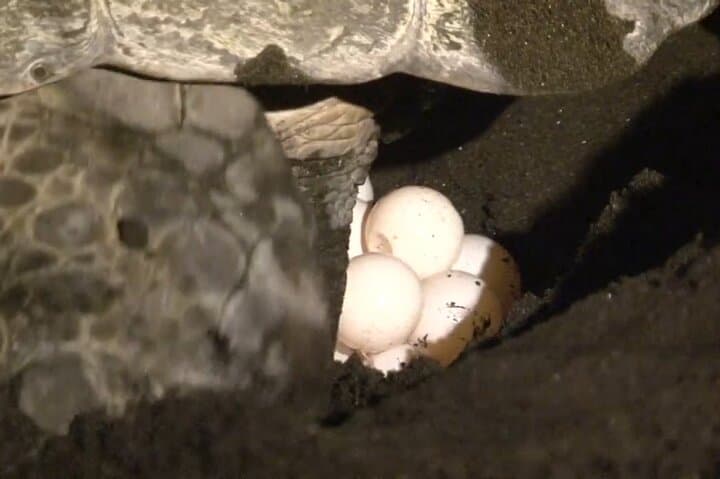
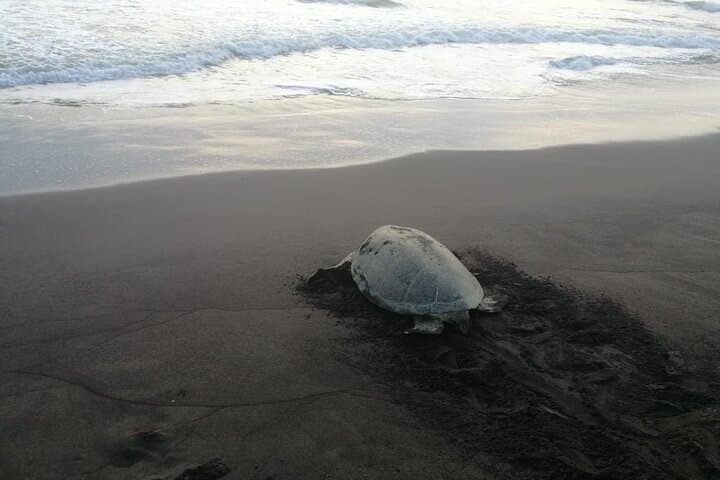
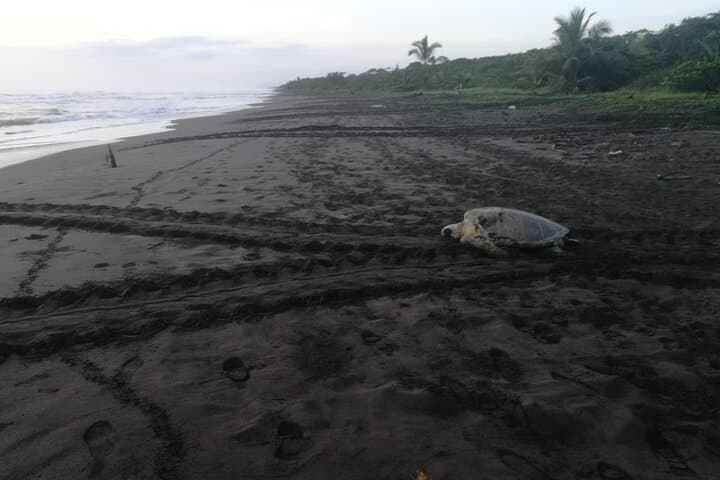
A warm, wet night on Tortuguero’s Caribbean shore: the surf hisses and the beach darkens as a guide leads the small group inland along a narrow trail. Salt and damp leaves hang in the air; somewhere ahead a spotter’s radio crackles and the jungle seems to hold its breath. On high tide nights between July and October, female Atlantic green turtles crawl ashore here to dig and lay their egg clutches — a slow, stubborn ritual that has run for millennia.
A warm, wet night on Tortuguero’s Caribbean shore: the surf hisses and the beach darkens as a guide leads the small group inland along a narrow trail. Salt and damp leaves hang in the air; somewhere ahead a spotter’s radio crackles and the jungle seems to hold its breath. On high tide nights between July and October, female Atlantic green turtles crawl ashore here to dig and lay their egg clutches — a slow, stubborn ritual that has run for millennia.
Tortuguero National Park sits on a low, sandy coastal plain shaped by rivers and sea currents, its beaches formed from centuries of sediment and shells. The local communities and park rangers shifted visitor rules after past disturbances, instituting spotters and controlled approaches to protect nesting females. The result: closer, quieter encounters that prioritize the turtles’ needs over photo ops.
Practically, the tour is a short night walk (about two hours) led by a certified naturalist who explains turtle biology, nesting behavior, and the park’s conservation work. Expect to wait quietly in the dark and move only when guided to an active nesting site; electronic devices and flash photography are not allowed. Wear dark, closed-toe shoes and a rain jacket, and bring a reusable water bottle and insect repellent. Nights are often rainy and muddy — the program runs rain or shine — and the experience depends on nature’s timetable: sightings are likely in season, but never guaranteed.
This is low-impact wildlife viewing: keep distance, follow the guide’s instructions, and treat the beach as the turtles’ workspace. Timing your trip for peak months increases chances while supporting local conservation efforts.