THE ADVENTURE COLLECTIVE® · Independent discovery and booking for outdoor travel

Spend a full day from Tambor exploring Gulf islands: feeding spider monkeys, snorkeling around Isla Tortuga, then returning at night for a guided bioluminescent snorkel. This private tour combines wildlife viewing, beach time and a rare nocturnal plankton display.
Spend a full day from Tambor exploring Gulf islands: feeding spider monkeys, snorkeling around Isla Tortuga, then returning at night for a guided bioluminescent snorkel. This private tour combines wildlife viewing, beach time and a rare nocturnal plankton display.
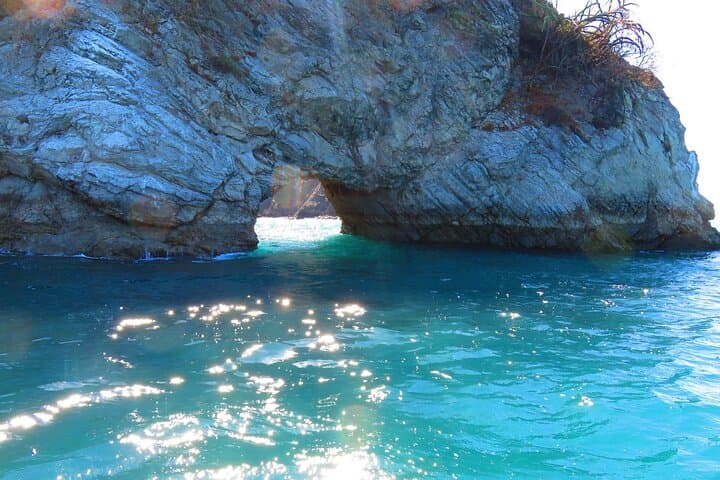
The day opens on Tambor’s pier: warm, briny air, a low-profile panga cutting through the glassy Gulf of Nicoya as islands rise on the horizon. You’ll pass five small isles in roughly 45 minutes, each a slab of rock, mangrove and scrub that feels a world away from the mainland. The first stop is Spider Monkey Island — a chance encounter with curious primates swinging through coastal trees — then the boat pushes on to Isla Tortuga, where white sand and clear shallows invite daytime snorkeling.
Verified experiences and guided adventures in the surrounding area.
Operated by Pura Vida Expeditions · Tambor, Puntarenas
The day opens on Tambor’s pier: warm, briny air, a low-profile panga cutting through the glassy Gulf of Nicoya as islands rise on the horizon. You’ll pass five small isles in roughly 45 minutes, each a slab of rock, mangrove and scrub that feels a world away from the mainland. The first stop is Spider Monkey Island — a chance encounter with curious primates swinging through coastal trees — then the boat pushes on to Isla Tortuga, where white sand and clear shallows invite daytime snorkeling.
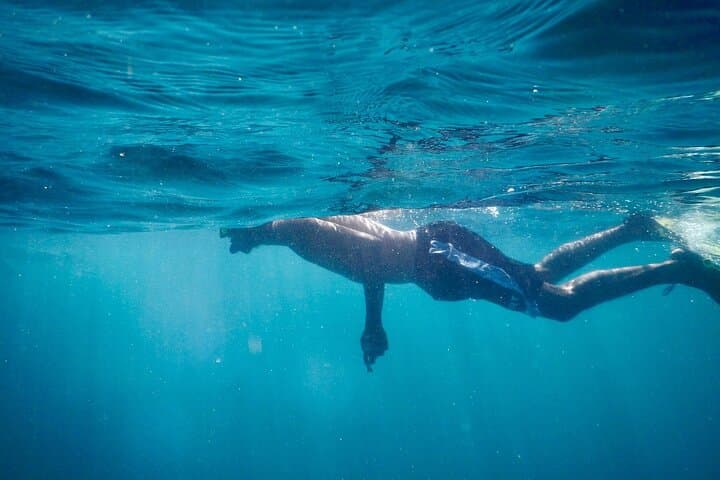
The gulf’s islands are products of coastal uplift and sedimentation, with volcanic rock outcrops and mangrove-lined channels that have shaped local fishing and ranching culture for generations. Tortuga itself hosts iguanas, small deer and reef fish that aggregate around shallow coral and rocky ledges. In the late afternoon the tour shifts from sun to shadow: a mangrove boat loop north of Tambor demonstrates how bioluminescent plankton concentrate in protected channels, and after sunset you don a mask for nocturnal snorkeling — movement turns the water into flickering points of blue light.
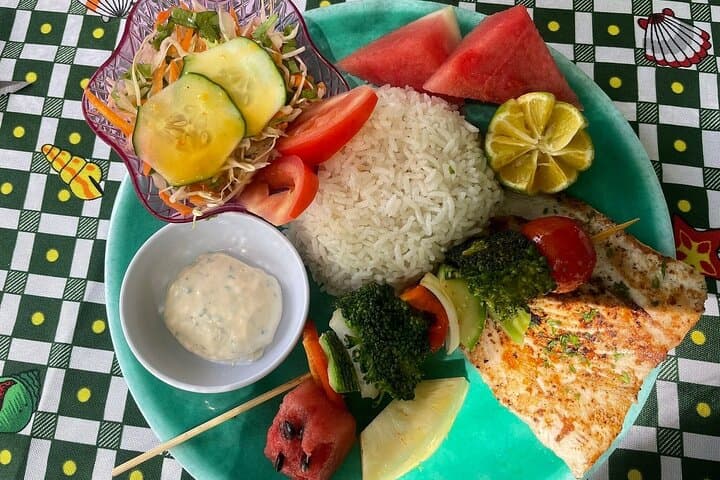
Practically: this is a full-day, private boat tour (about 8–9 hours) with snorkel gear, lunch (mahi-mahi, chicken or vegetarian) and drinks included. Basic swimming ability and comfort entering the water after dark are required. Expect sun, occasional chop, and short beach walks; pack reef-safe sunscreen, a towel, sea-sickness meds if you’re prone, and a small dry bag for electronics. Guides manage logistics and local transfers; cancellations are accepted up to 24 hours prior. For coastal wildlife, quiet observation and reef-friendly habits keep this itinerary sustainable and enjoyable for future visitors.
moderate.
8–9 hours.
Suitable for most fitness levels; should be comfortable entering and exiting boats and able to swim short distances.
The initial crossing to the gulf islands is roughly 40–50 minutes, depending on sea conditions and boat speed.
Yes — snorkel masks and fins are provided; guides offer basic orientation and can help first‑time snorkelers get comfortable.
Wildlife sightings are common — spider monkeys, iguanas and coastal deer are frequently seen — but sightings cannot be guaranteed as animals move freely.
Guides lead the night swim in shallow, protected water and provide safety briefings; participants should be confident swimmers and follow the guide’s instructions.
The Gulf of Nicoya has long supported fishing and small agricultural communities; islands served as seasonal fishing camps and waypoint landmarks for coastal transport.
Use reef‑safe products, avoid touching corals and follow guide instructions — mangroves and shallow reefs are delicate and recover slowly from damage.
Pura Vida Expeditions operates guided outdoor trips and adventures with an emphasis on safety, stewardship, and memorable experiences.
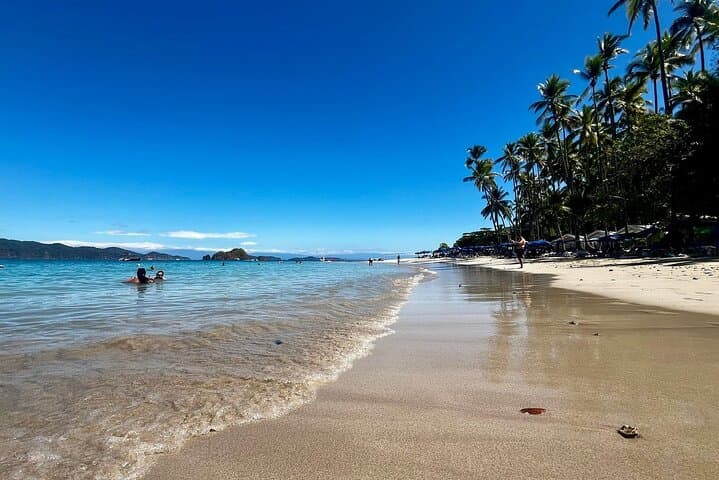
The day opens on Tambor’s pier: warm, briny air, a low-profile panga cutting through the glassy Gulf of Nicoya as islands rise on the horizon. You’ll pass five small isles in roughly 45 minutes, each a slab of rock, mangrove and scrub that feels a world away from the mainland. The first stop is Spider Monkey Island — a chance encounter with curious primates swinging through coastal trees — then the boat pushes on to Isla Tortuga, where white sand and clear shallows invite daytime snorkeling.
The day opens on Tambor’s pier: warm, briny air, a low-profile panga cutting through the glassy Gulf of Nicoya as islands rise on the horizon. You’ll pass five small isles in roughly 45 minutes, each a slab of rock, mangrove and scrub that feels a world away from the mainland. The first stop is Spider Monkey Island — a chance encounter with curious primates swinging through coastal trees — then the boat pushes on to Isla Tortuga, where white sand and clear shallows invite daytime snorkeling.
The gulf’s islands are products of coastal uplift and sedimentation, with volcanic rock outcrops and mangrove-lined channels that have shaped local fishing and ranching culture for generations. Tortuga itself hosts iguanas, small deer and reef fish that aggregate around shallow coral and rocky ledges. In the late afternoon the tour shifts from sun to shadow: a mangrove boat loop north of Tambor demonstrates how bioluminescent plankton concentrate in protected channels, and after sunset you don a mask for nocturnal snorkeling — movement turns the water into flickering points of blue light.
Practically: this is a full-day, private boat tour (about 8–9 hours) with snorkel gear, lunch (mahi-mahi, chicken or vegetarian) and drinks included. Basic swimming ability and comfort entering the water after dark are required. Expect sun, occasional chop, and short beach walks; pack reef-safe sunscreen, a towel, sea-sickness meds if you’re prone, and a small dry bag for electronics. Guides manage logistics and local transfers; cancellations are accepted up to 24 hours prior. For coastal wildlife, quiet observation and reef-friendly habits keep this itinerary sustainable and enjoyable for future visitors.